Tablut
About Tablut
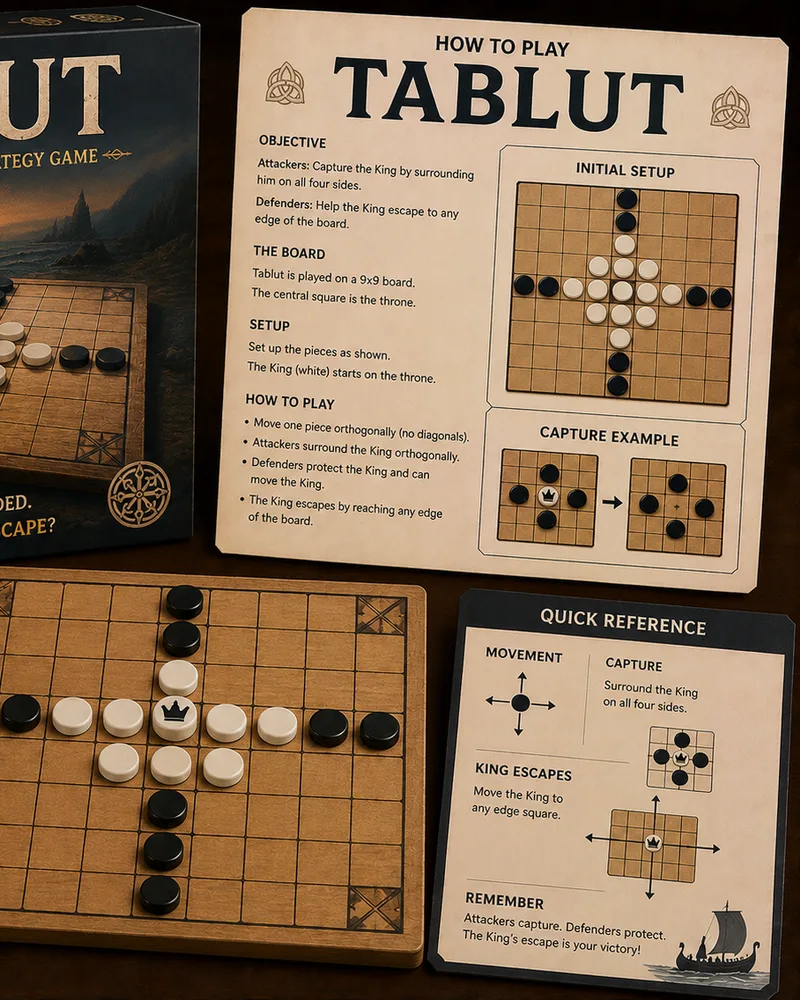
Tablut is a siege game from the Sami people of Lapland, part of the old tafl family of Norse board games. It's a duel on a nine-by-nine board between two unequal sides: a king and his defenders in the center, and a larger surrounding army trying to capture him. It's tighter and quicker than its larger Viking cousins.
We know Tablut's rules unusually well thanks to Carl Linnaeus, the famous botanist, who wrote them down during a 1732 expedition to Lapland. That record is why this particular tafl game survives so clearly. The defending king tries to break out to the edge of the board while the attackers close in.
You can play Tablut free in your browser against the computer or with friends on one screen, with no download. The rules are simple, since all pieces move alike, but the asymmetric goals make it strategically rich. Its smaller board makes for faster, sharper games than the bigger tafl variants.
Controls
You play by moving pieces. Tap a piece and then tap its destination. Every piece slides in straight lines like a chess rook, any distance until blocked.
The two sides have opposite objectives:
- The defenders (Swedes) must escort their king from the central throne to any square on the edge of the board. Reaching the edge means the king has escaped and the defenders win.
- The attackers (Muscovites) must capture the king by surrounding him on all four sides, or on three sides with the central throne making the fourth. Trapping him wins for the attackers.
You capture ordinary soldiers by flanking them between two of your pieces on opposite sides.
The nine-by-nine board makes Tablut quicker than larger tafl games. Against the computer, the difficulty rises across eight levels.
Tips
- As the defender, aim for the nearest edge. The king wins by reaching any board edge, so identify the least-guarded direction and work your pieces to clear and protect a path there.
- As the attacker, guard all four directions. The king can escape to any edge, so spreading your larger force to cover every side, rather than clustering, is how you prevent a breakout.
- Capture by flanking. You remove an enemy soldier by trapping it between two of your pieces on opposite sides, so set up these pincers deliberately rather than expecting to capture by moving onto a piece.
- Use the throne against the king. The central throne can count as one of the sides needed to trap the king, so as the attacker, herding him back toward it can make the capture easier.
- Defenders, clear the king's escape early. The board is small, so a fast, decisive break for the edge often beats waiting, since the attackers have less room to seal every route.
- Attackers, tighten the net patiently. You have more pieces, so a coordinated, gradual squeeze that closes escape routes one by one traps the king more reliably than a scattered chase.
Frequently asked questions
Is Tablut free to play?
Yes. You can play as much as you want with no download and no account.
How do you play Tablut?
It's a siege game on a nine-by-nine board. All pieces slide like a chess rook. The defenders try to escort their king from the center to any edge of the board, while the larger attacking army tries to surround and capture him.
How do we know Tablut's rules?
The botanist Carl Linnaeus recorded them during a 1732 expedition to Lapland. His notes are why this tafl variant's rules survive so clearly compared with some of its relatives.
How do you capture the king?
The attackers capture the king by surrounding him on all four sides, or on three sides with the central throne serving as the fourth. Ordinary soldiers are captured by flanking them between two pieces.
How is Tablut different from Hnefatafl?
They're both tafl siege games with the same asymmetric idea, but Tablut uses a smaller nine-by-nine board, which makes its games tighter and quicker than the larger Hnefatafl.
Can I play Tablut on my phone?
Yes. It runs in any modern mobile browser with tap controls, so it works well on phones and tablets.
More like this
 HOT
HOTChess
Board1.2M
Checkers
Board720.0K
Reversi
Board295.0K
Connect Four
Board510.0K
Dots & Boxes
Board180.0K NEW
NEWNim
Strategy72.0K NEW
NEWPig
Casual84.0K NEW
NEWFarkle
Casual132.0K NEW
NEWFan Tan
Card64.0K NEW
NEWGomoku
Strategy156.0K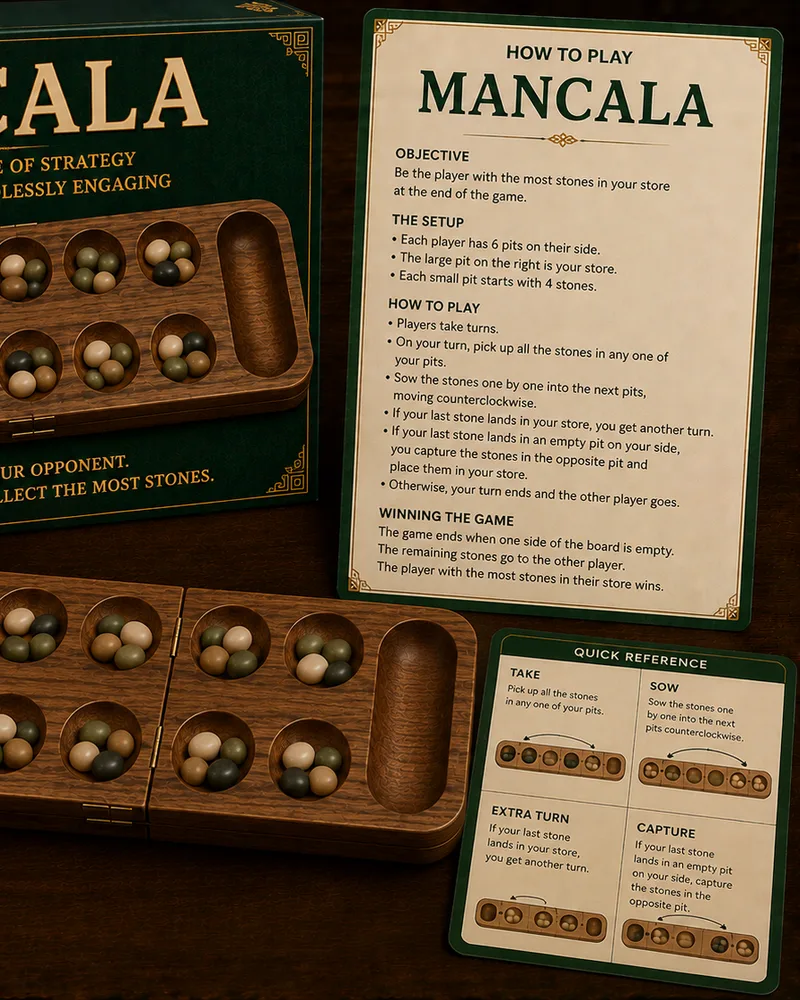 NEW
NEWMancala
Board175.0K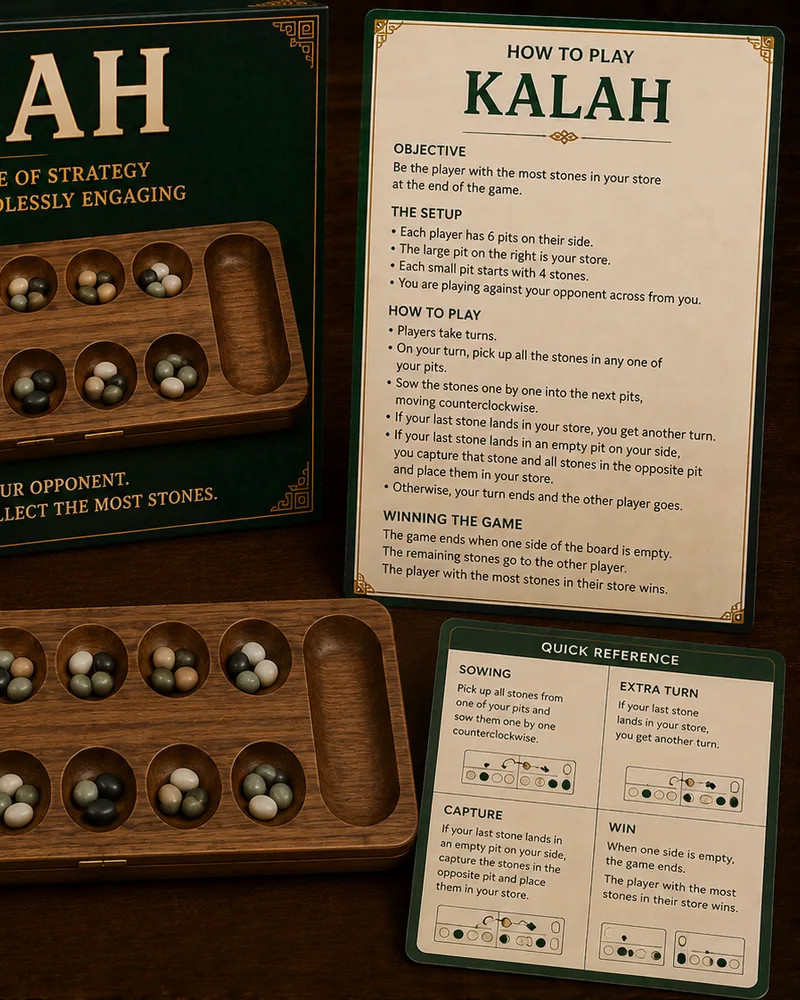 NEW
NEWKalah
Board88.0K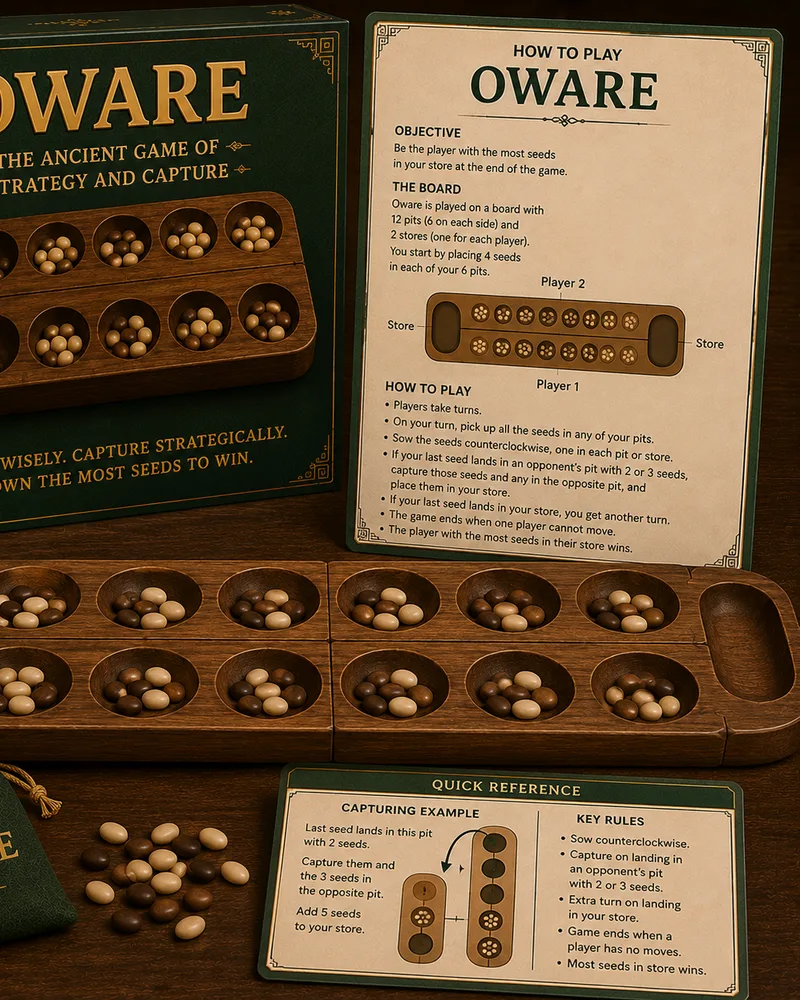 NEW
NEWOware
Board96.0K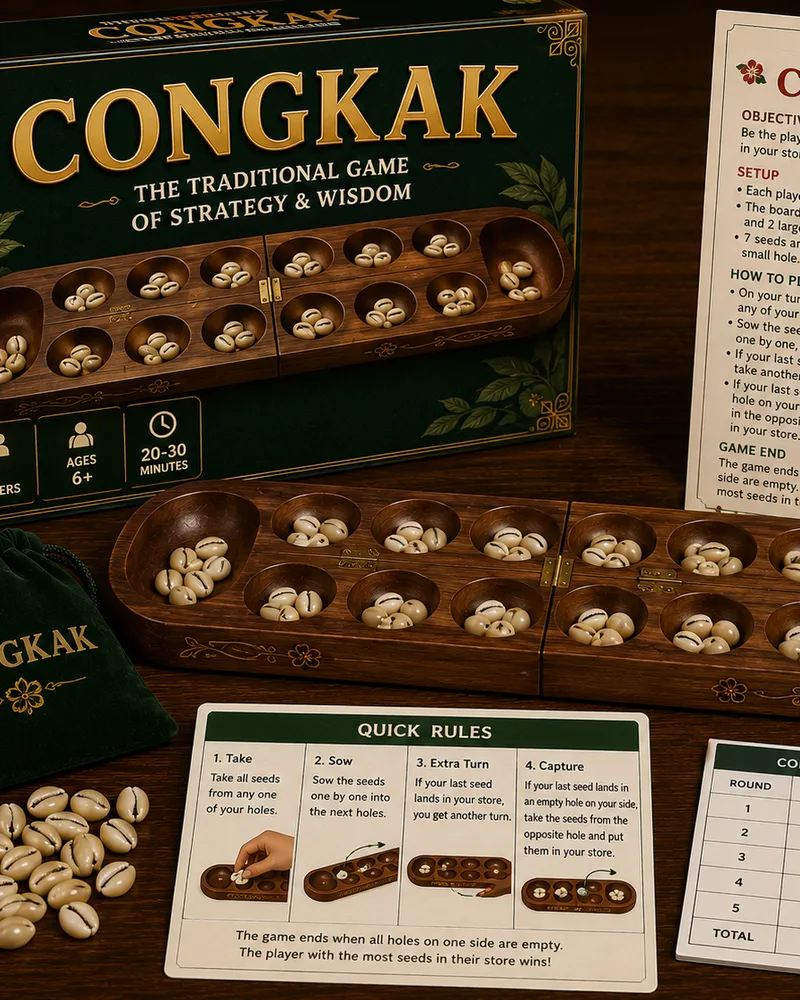 NEW
NEWCongkak
Board70.0K NEW
NEWRenju
Strategy92.0K NEW
NEWBattleship Style
Strategy184.0K NEW
NEWPachisi
Board142.0K NEW
NEWParcheesi Style
Board116.0K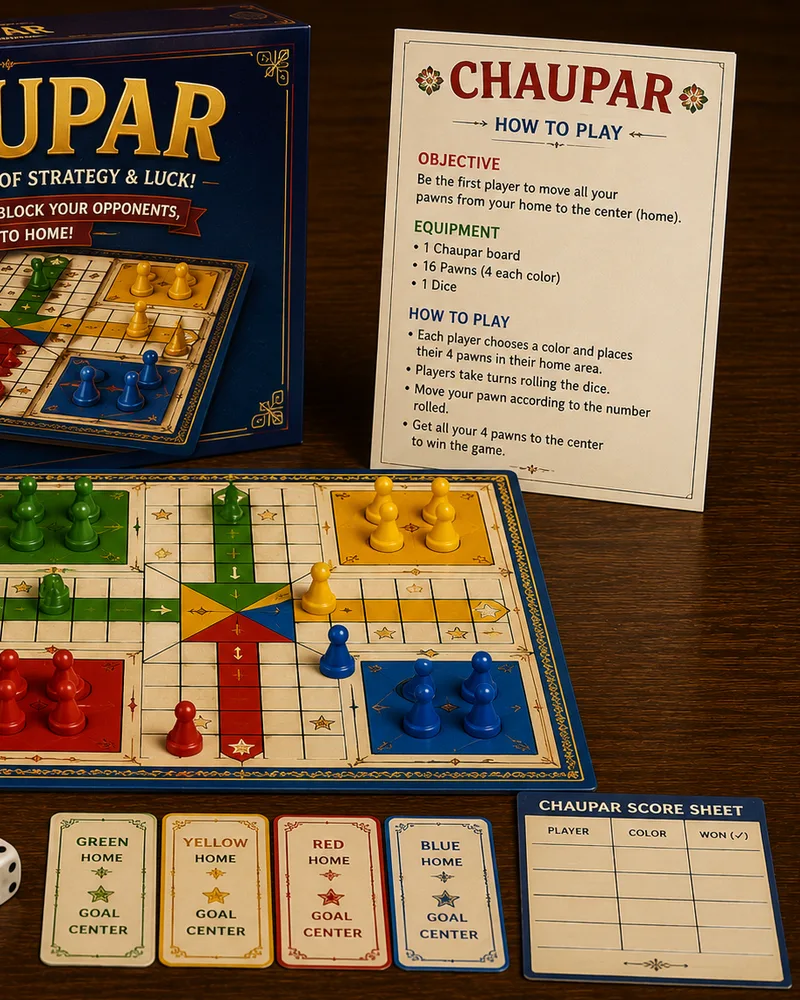 NEW
NEWChaupar
Board62.0K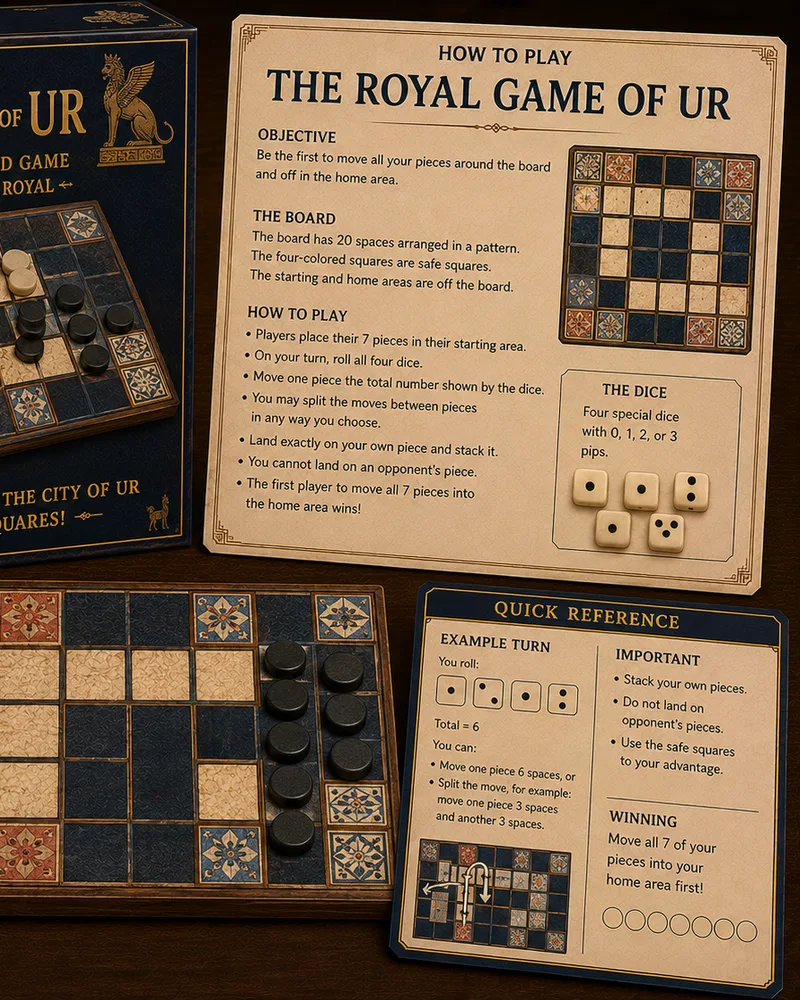 NEW
NEWRoyal Game of Ur
Board104.0K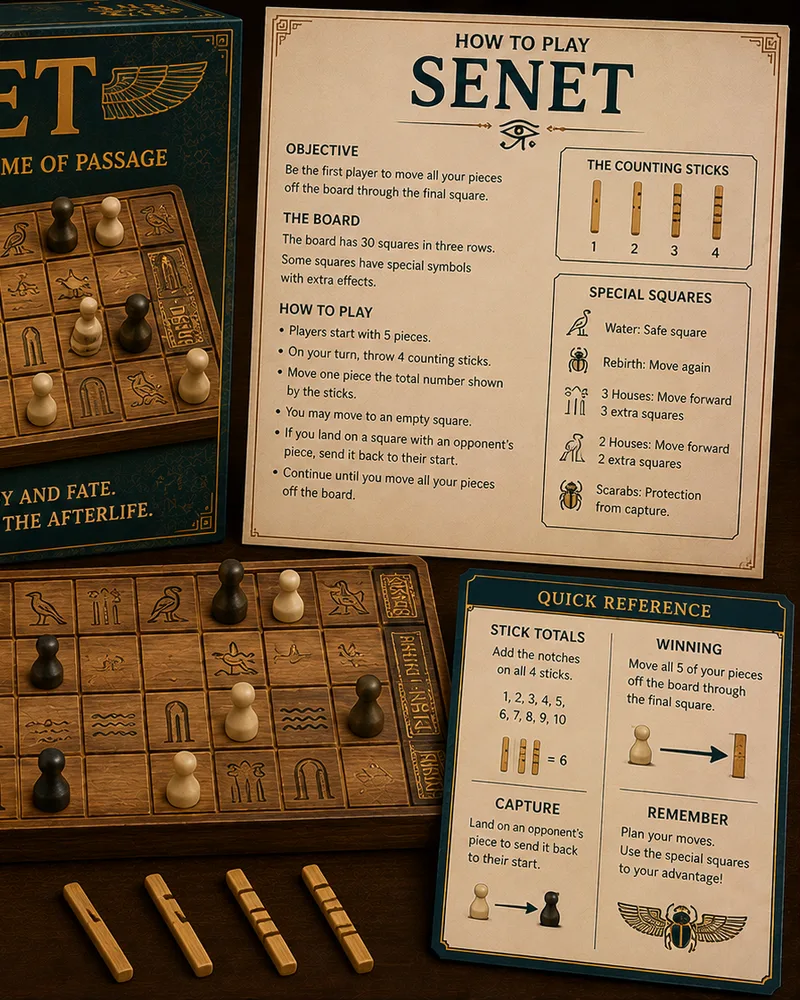 NEW
NEWSenet
Board88.0K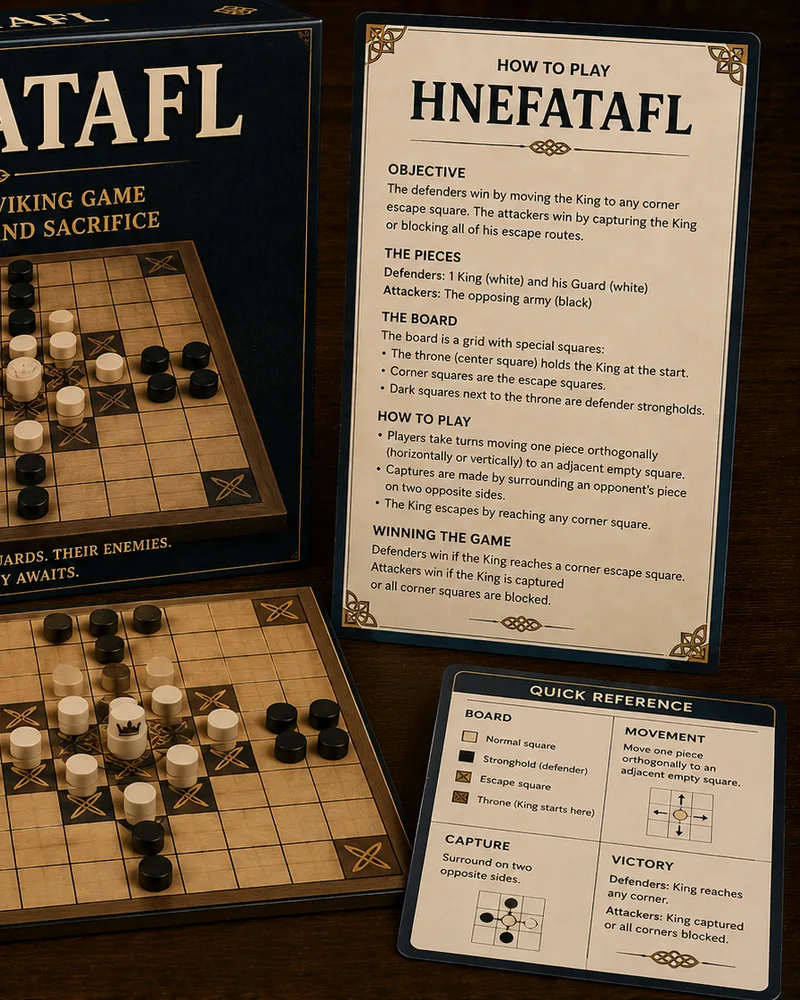 NEW
NEWHnefatafl
Strategy96.0K NEW
NEWBagh Chal
Strategy82.0K NEW
NEWFox & Geese
Strategy74.0K NEW
NEWHearts
Card188.0K NEW
NEWSpades
Card164.0K NEW
NEWEuchre
Card96.0K NEW
NEWGin Rummy
Card158.0K NEW
NEWNine Men's Morris
Strategy124.0K NEW
NEWTwelve Men's Morris
Strategy72.0K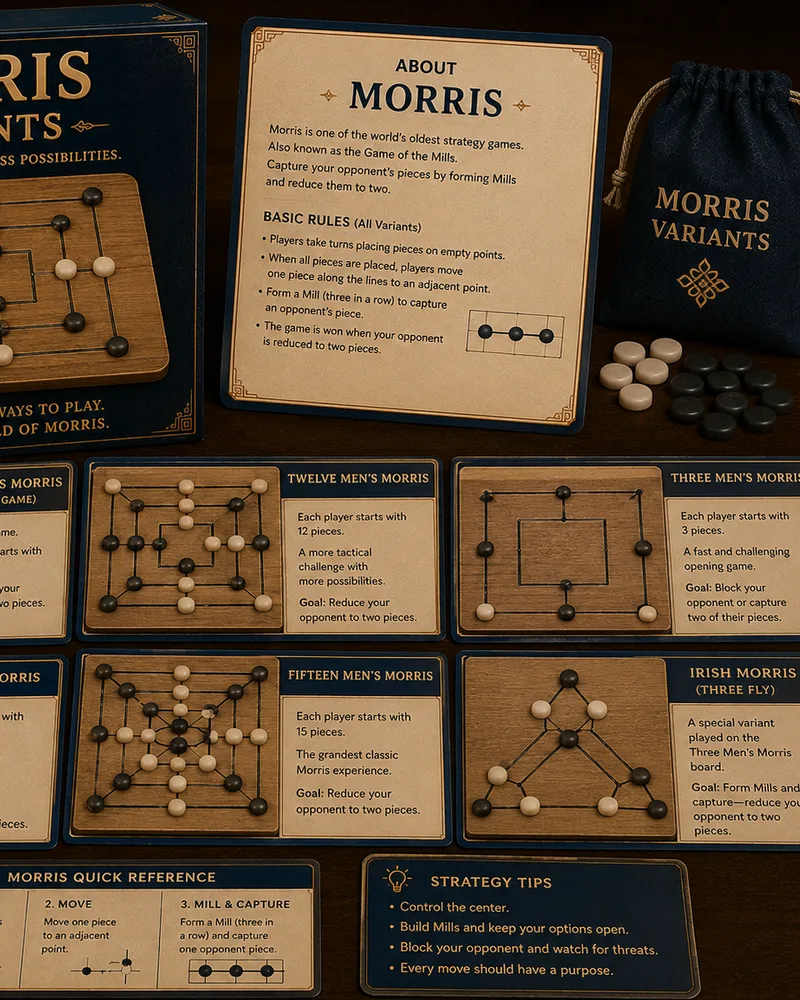 NEW
NEWMorris Variants
Strategy58.0K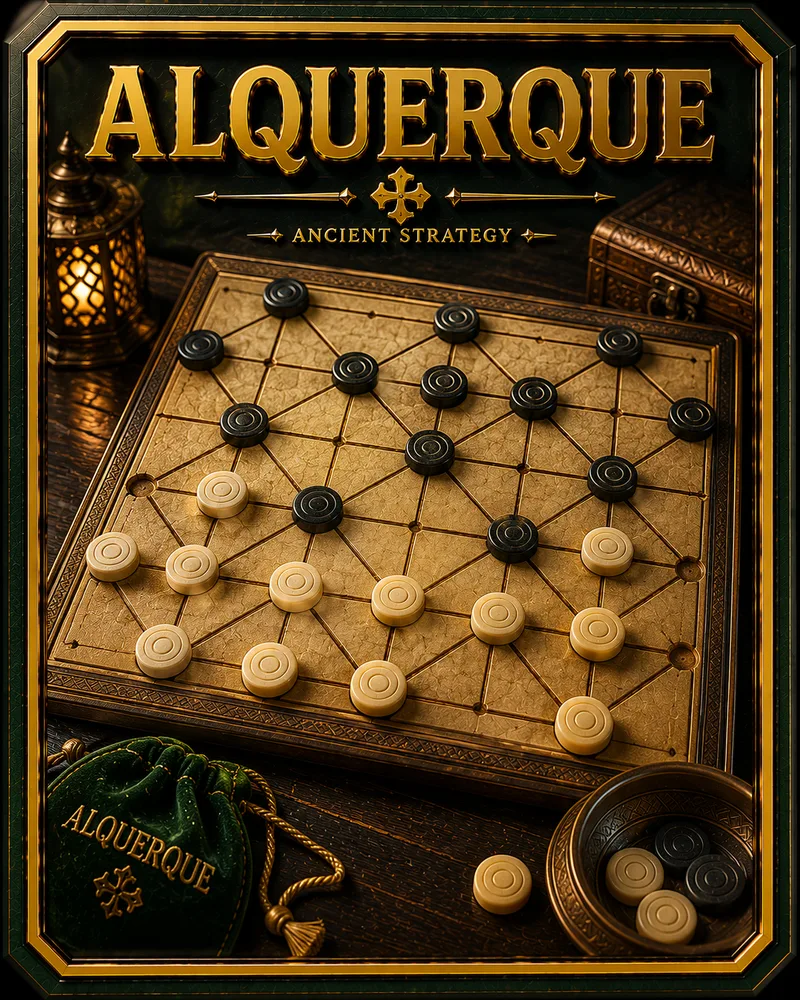 NEW
NEWAlquerque
Strategy76.0K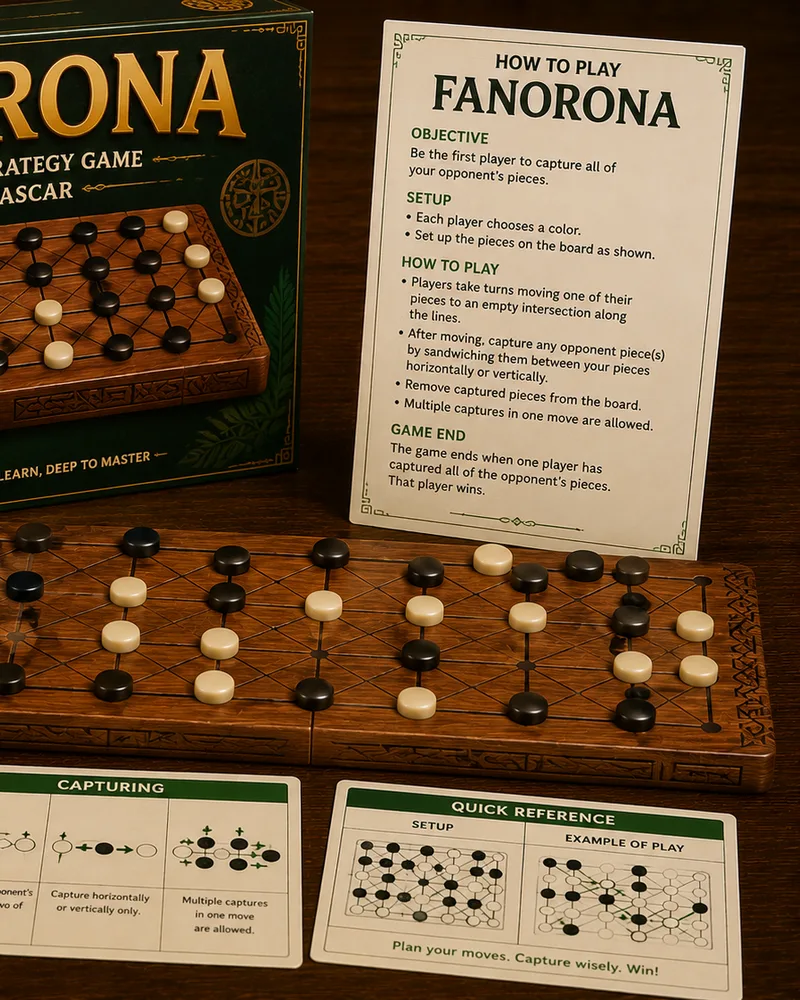 NEW
NEWFanorona
Strategy68.0K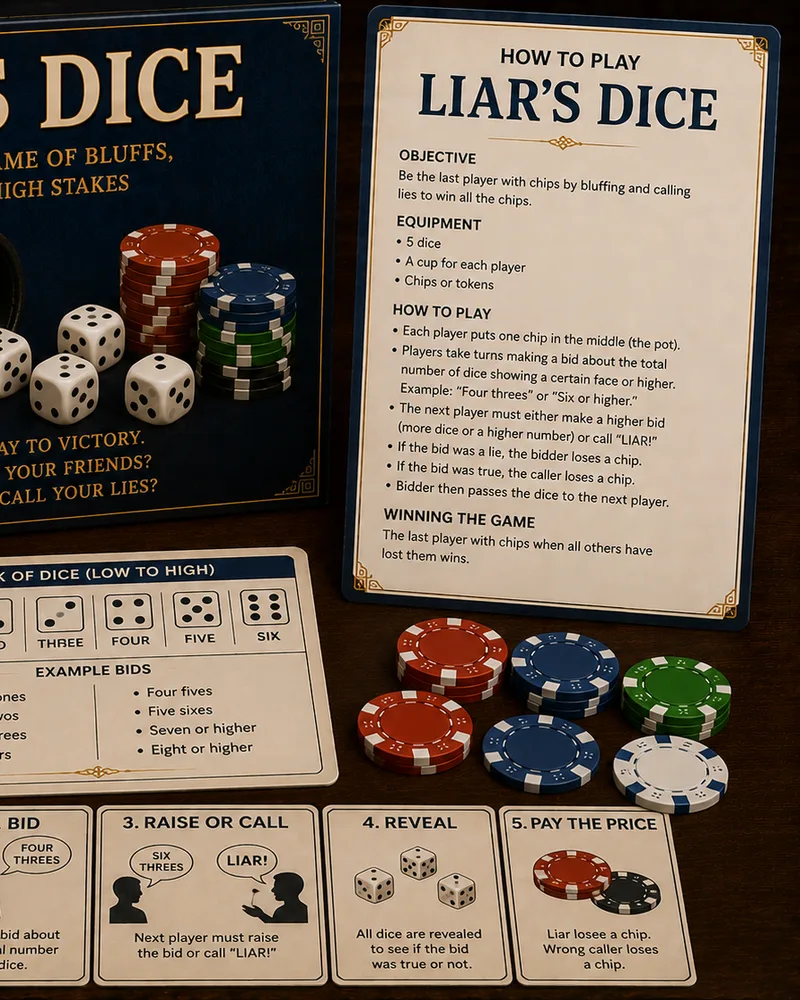 NEW
NEWLiar's Dice
Casual102.0K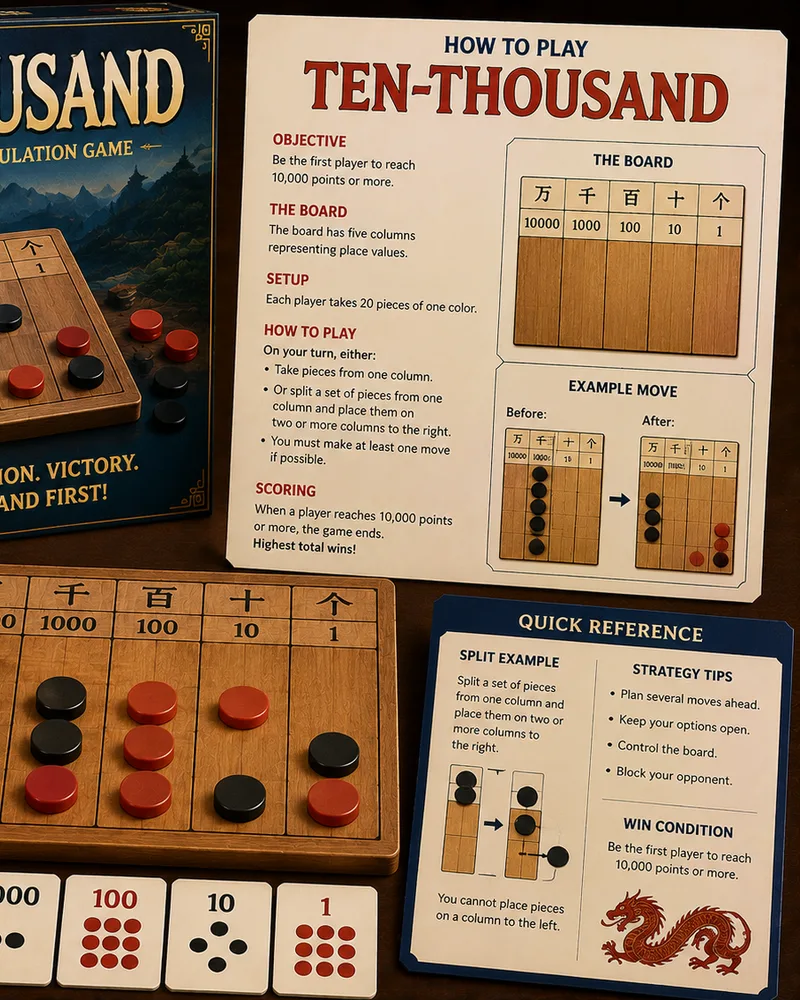 NEW
NEWTen Thousand
Casual88.0K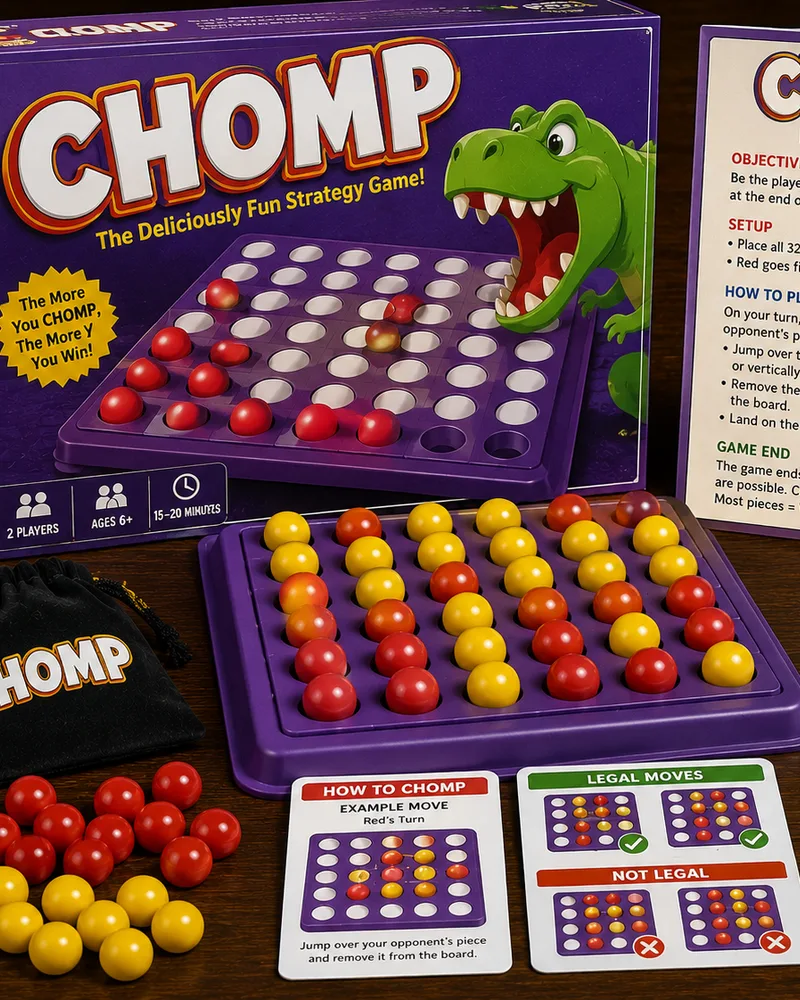 NEW
NEWChomp
Strategy64.0K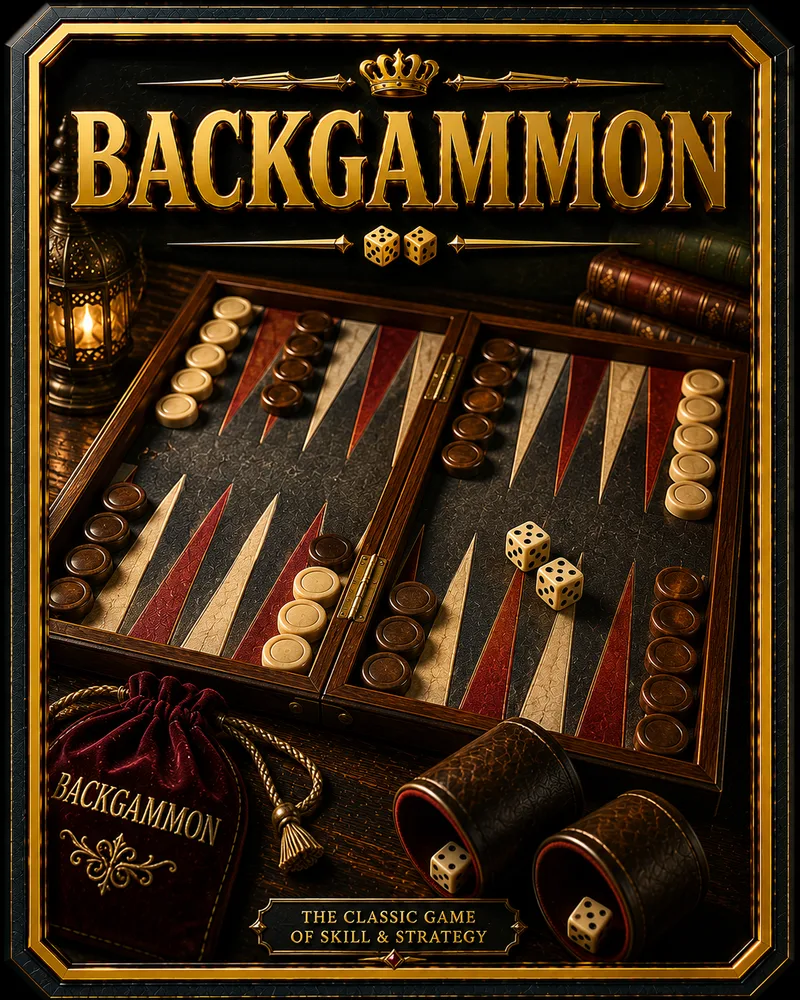 NEW
NEWBackgammon
Board162.0K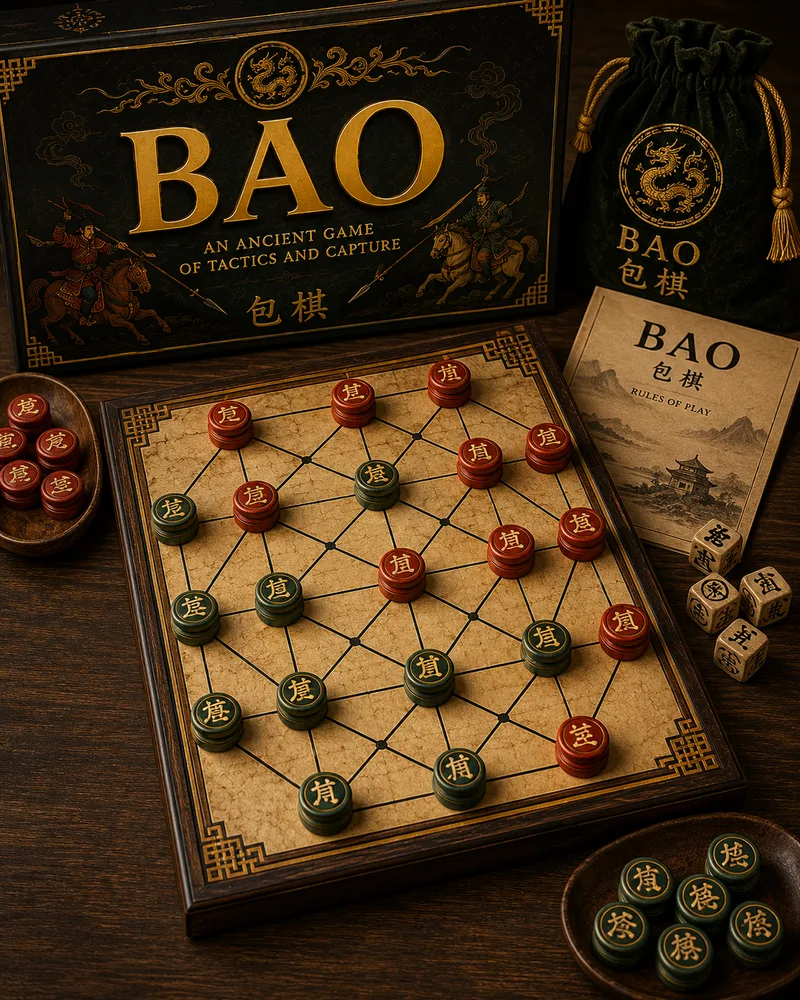 NEW
NEWBao
Board64.0K NEW
NEWBridge
Card132.0K NEW
NEWXiangqi
Strategy210.0K NEW
NEWJanggi
Strategy118.0K NEW
NEWMakruk
Strategy92.0K NEW
NEWShogi
Strategy156.0K NEW
NEWGo
Strategy188.0K
Popular right now 🔥
All →
Klondike Solitaire
Sudoku
2048
Chess
Ludo
Snake
Block Puzzle
Minesweeper
Checkers
Spider Solitaire
Mahjong Solitaire
Snakes & Ladders
Word Search
Connect Four
Brick Breaker
Tic-Tac-Toe
Bubble Shooter