Liar's Dice
About Liar's Dice
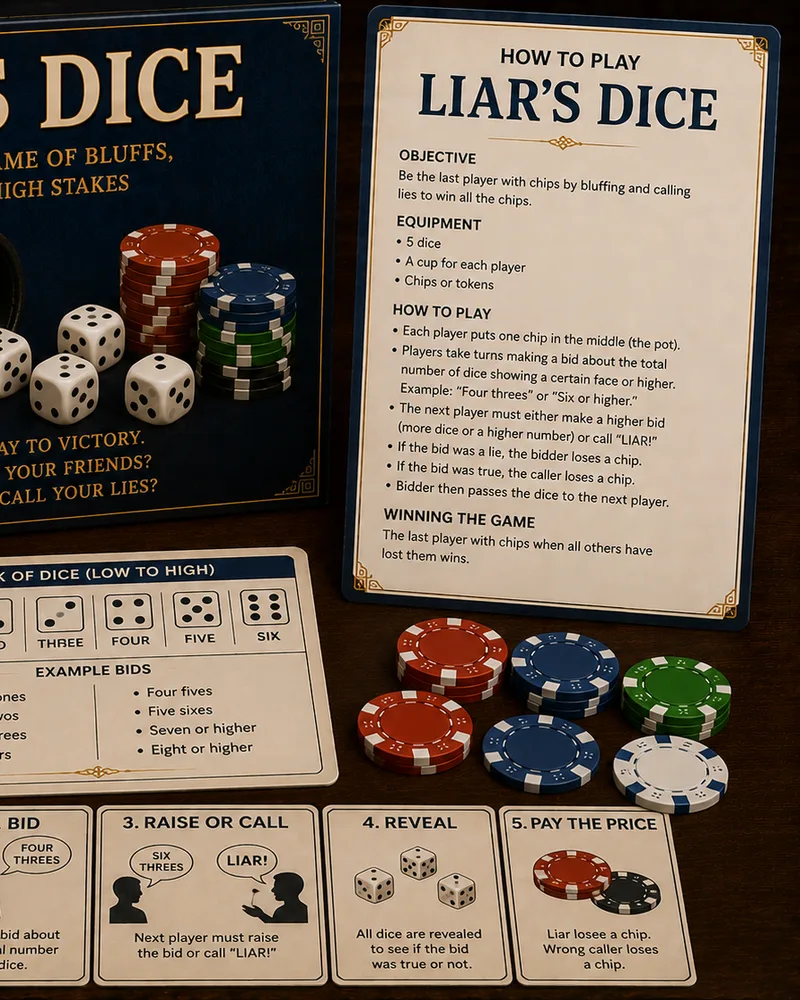
Liar's Dice is a bluffing game played with hidden dice. Everyone rolls their dice in secret under a cup, and then players take turns bidding on how many dice, across everyone's cups combined, show a certain number. Since you can only see your own dice, every bid is part guess and part bluff.
It's the classic game of pirate taverns, and the fun is in the tension: someone is always lying, and reading whether a bid is honest or a bluff is the whole skill. You can raise the bid or challenge the previous one, and calling out a bluff, or being caught in one, is where the drama lives.
You can play Liar's Dice free in your browser against the computer, with no download. The rules take a round to learn, but the bluffing is intuitive and immediately gripping. At higher levels the computer reads your betting patterns and will call your bluffs, so staying unpredictable is key.
Controls
You play by bidding or challenging. On your turn, either raise the current bid to a higher one, or challenge the previous bid if you think it's a lie. You can only see your own dice.
Bids and challenges drive the game:
- Raising the bid means claiming a higher quantity or number, like going from 'four threes' to 'five threes' or 'four fours.' A bid says at least that many of that number exist among all the dice, with ones often counting as wild.
- Challenging means calling the previous bid a lie. All dice are revealed and counted: if the bid was true, the challenger loses a die, and if it was false, the bidder does.
Losing a challenge costs you a die, shrinking your hand and your information for future rounds.
The last player still holding dice wins. At higher of the eight levels, the computer reads your bidding patterns to catch bluffs.
Tips
- Use your own dice as a guide. You can see your own dice, so base your bids on what you hold plus a reasonable guess about the hidden ones, which keeps your claims believable rather than wild.
- Bluff, but not predictably. The computer reads patterns, so a good bluff mixed in with honest bids keeps it guessing, while always bluffing or always playing safe makes you easy to read.
- Challenge unlikely bids. When a bid claims more of a number than seems possible given your own dice and the total in play, calling it is often the right move, since the bidder may be overreaching.
- Count how many dice remain. As players lose dice, the total on the table shrinks, so a bid that was safe early becomes a stretch later, and tracking the count tells you when to challenge.
- Remember ones are usually wild. Since ones typically count toward any number, factor them into your estimates when both bidding and deciding whether to challenge, as they make higher bids more plausible than they first look.
- Watch the computer's habits. Just as it reads you, you can read it, so noticing when it tends to bluff or play it straight lets you time your challenges to catch it out.
Frequently asked questions
Is Liar's Dice free to play?
Yes. You can play as much as you want with no download and no account.
How do you play Liar's Dice?
Everyone rolls dice hidden under a cup. Players take turns bidding on how many of a number exist across all the dice combined. You can raise the bid or challenge the last one. If a challenge reveals a lie, the bidder loses a die.
How do you win at Liar's Dice?
You win by being the last player still holding dice. You lose dice by losing challenges, so the goal is to bid convincingly, call others' bluffs, and avoid being caught in your own.
What does it mean that ones are wild?
In most versions, ones count toward any number when tallying a bid. So if the bid is 'four threes,' both threes and ones count toward that total, which makes higher bids more plausible than they seem.
Can I play Liar's Dice on my phone?
Yes. It runs in any modern mobile browser with tap controls, so it works well on phones and tablets.
How do I get better at Liar's Dice?
Base your bids on your own dice, bluff unpredictably so the computer can't read you, and challenge bids that seem unlikely given the dice count. Remembering that ones are wild helps you judge which bids are believable.
More like this
Snakes & Ladders
Board612.0K
Tic-Tac-Toe
Board430.0K NEW
NEWMemory Match
Brain388.0K
Hangman
Word360.0K
Pong
Arcade250.0K NEW
NEWSame Game
Puzzle118.0K HOT
HOTWater Sort
Puzzle240.0K NEW
NEWSimon
Brain126.0K NEW
NEWBall Sort
Puzzle205.0K HOT
HOTMatch 3
Puzzle410.0K NEW
NEWRock Paper Scissors
Casual96.0K HOT
HOTYahtzee Style
Casual230.0K NEW
NEWPig
Casual84.0K NEW
NEWShut the Box
Casual78.0K NEW
NEWYacht
Casual90.0K NEW
NEWGenerala
Casual74.0K NEW
NEWBeetle
Casual64.0K NEW
NEWFarkle
Casual132.0K NEW
NEWBunco
Casual58.0K NEW
NEWHorse Race
Casual70.0K NEW
NEWWar
Card120.0K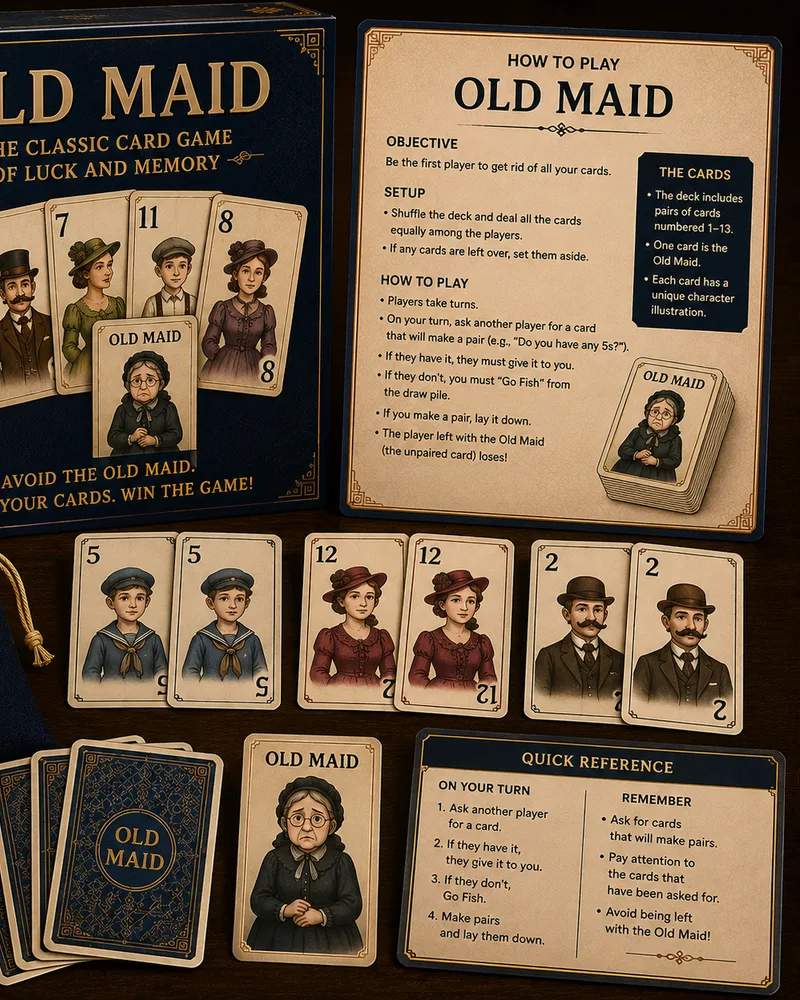 NEW
NEWOld Maid
Card86.0K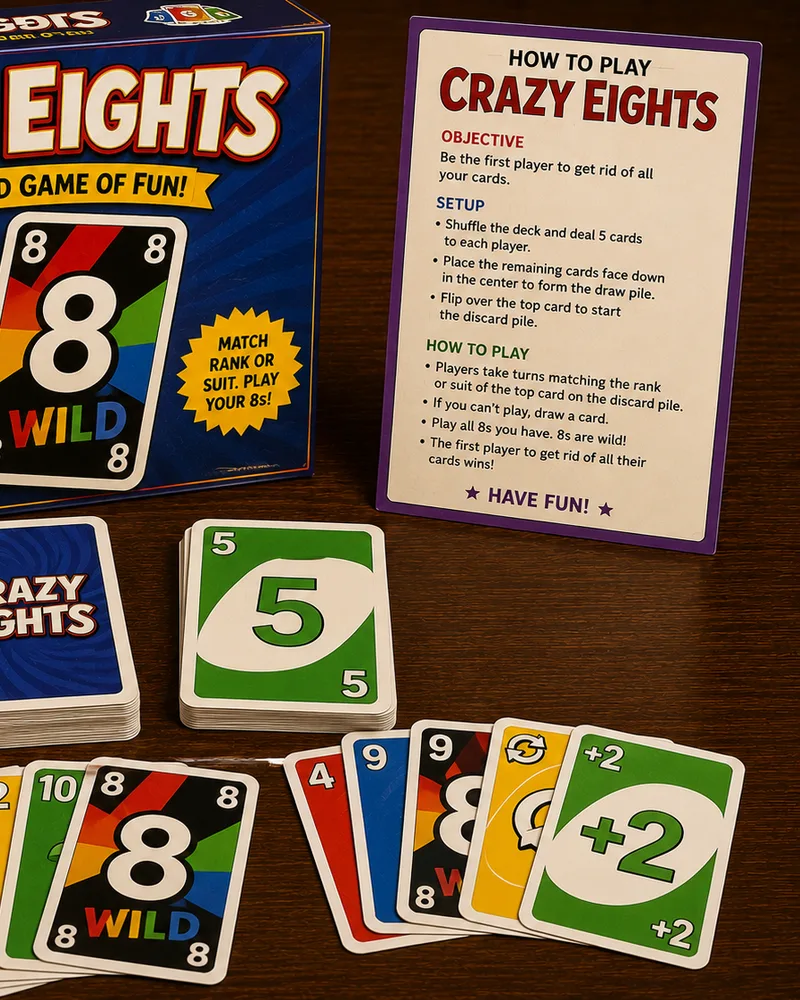 NEW
NEWCrazy Eights
Card144.0K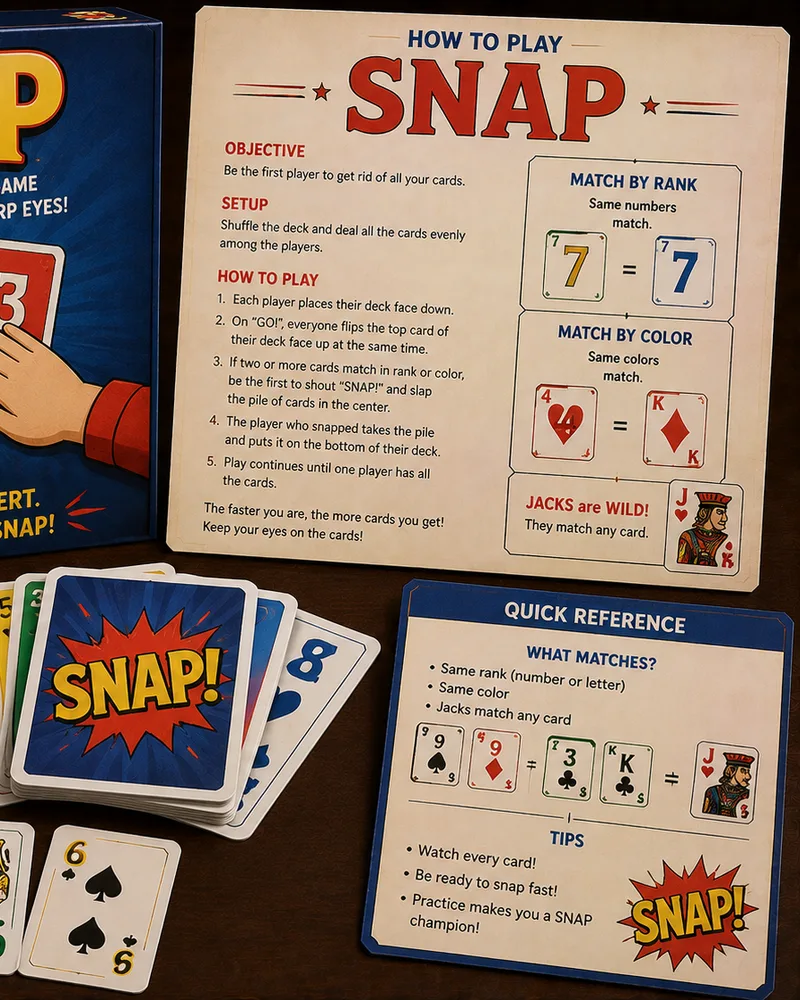 NEW
NEWSnap
Card92.0K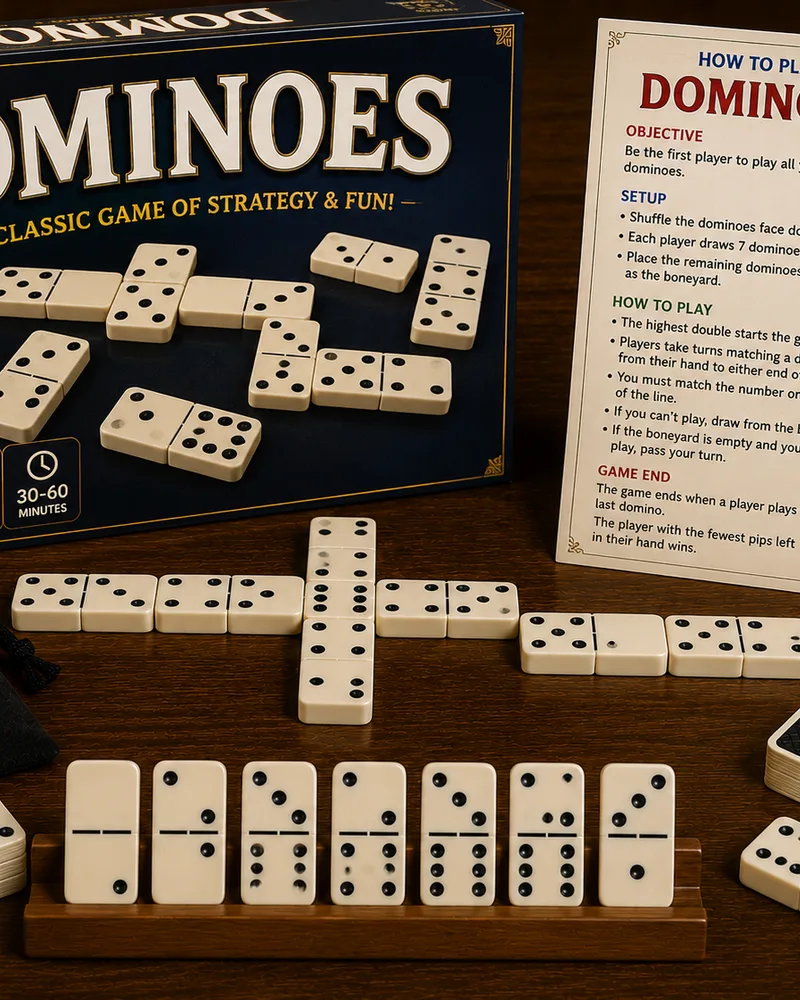 NEW
NEWDominoes
Board168.0K NEW
NEWBingo
Casual124.0K NEW
NEWColor Connect
Puzzle142.0K NEW
NEWJigsaw Puzzle
Puzzle150.0K NEW
NEWAggravation Style
Board84.0K NEW
NEWSorry Style
Board98.0K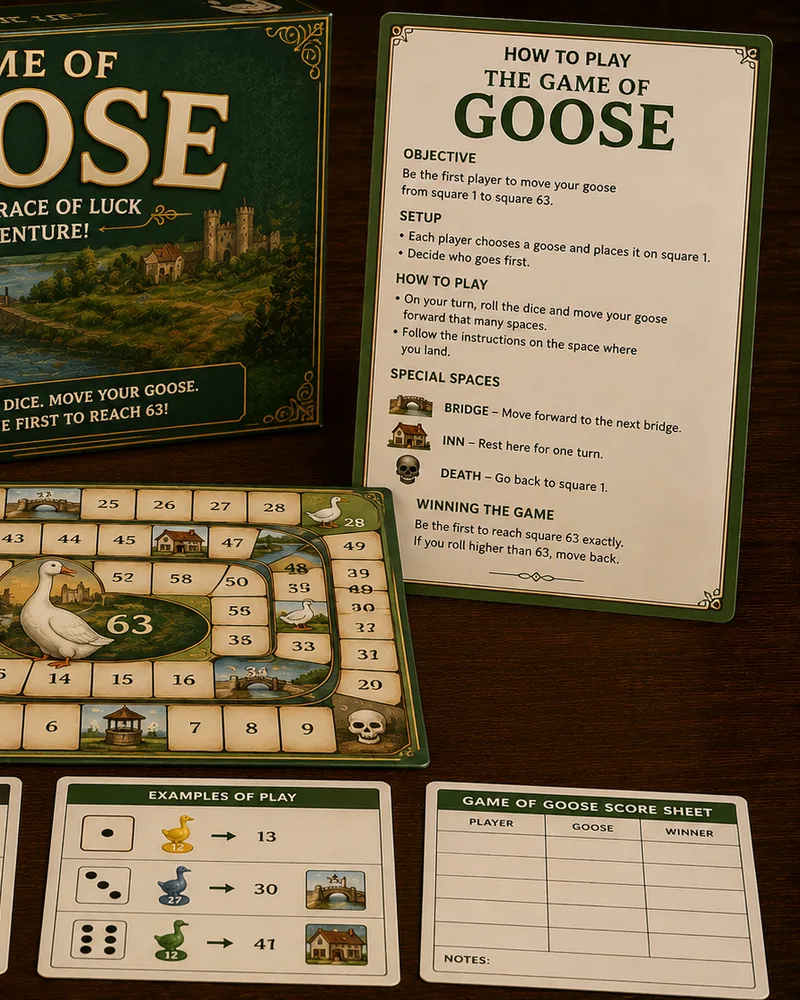 NEW
NEWGame of Goose
Board78.0K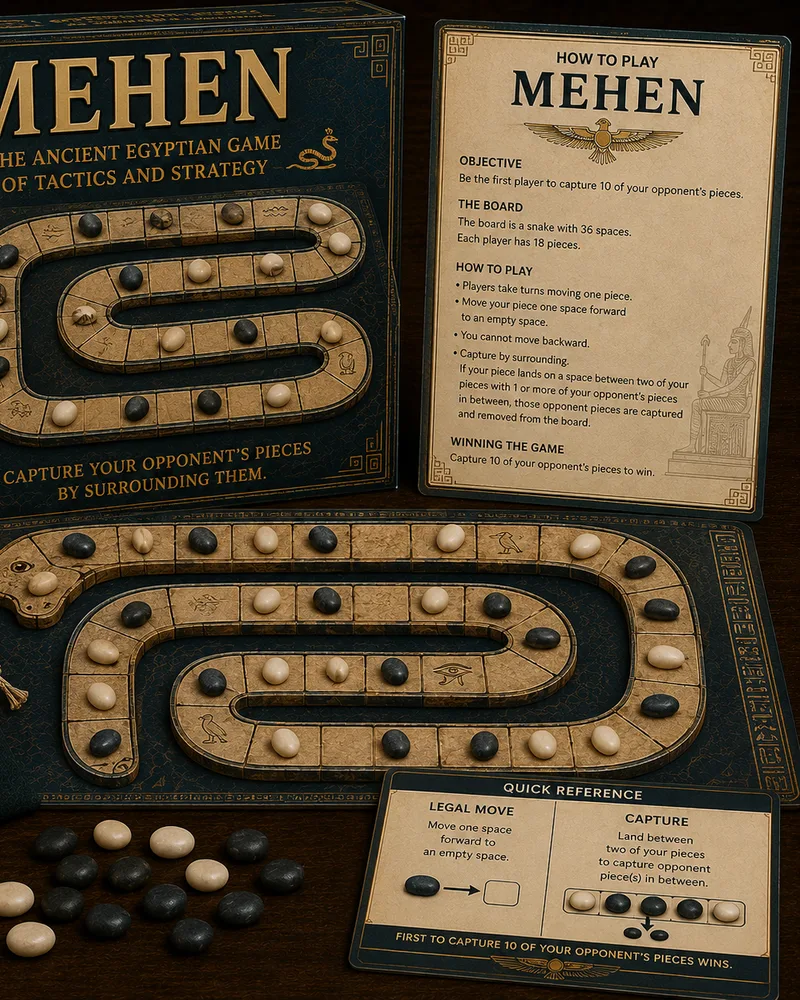 NEW
NEWMehen
Board56.0K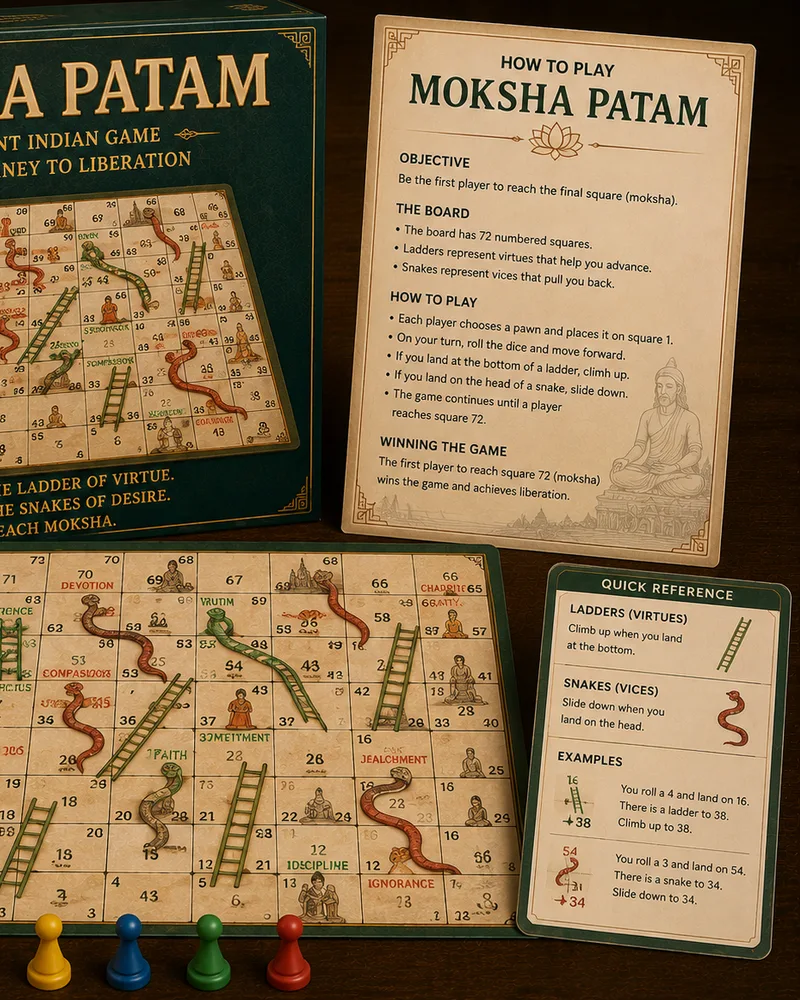 NEW
NEWMoksha Patam
Board110.0K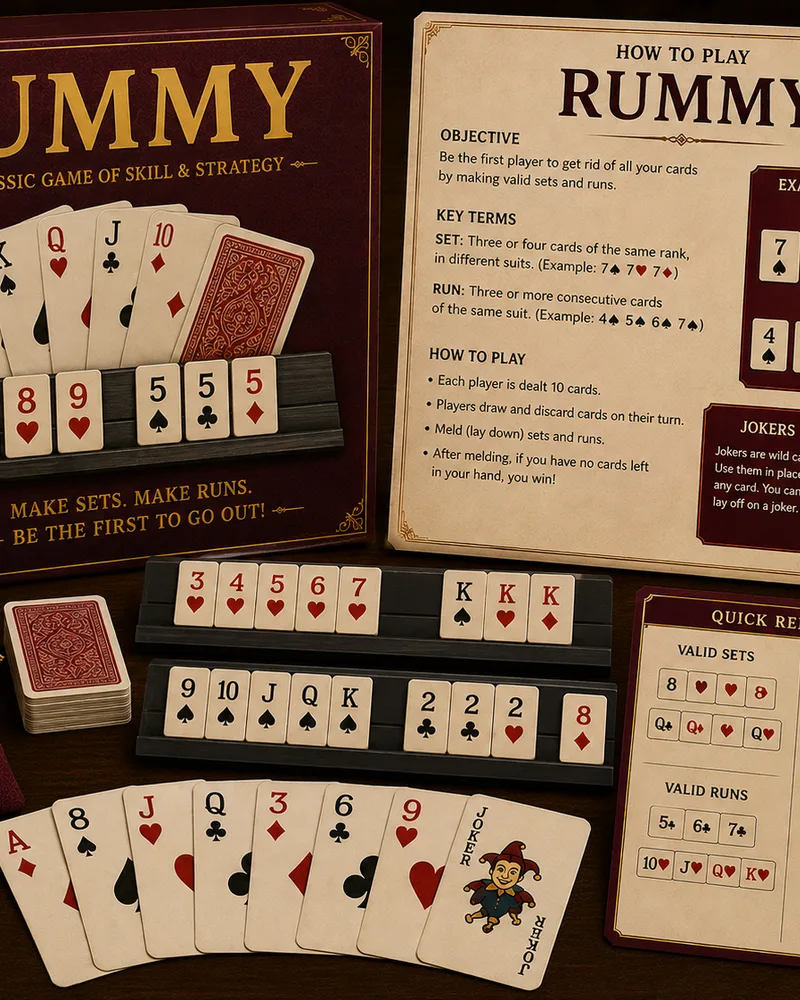 NEW
NEWRummy
Card176.0K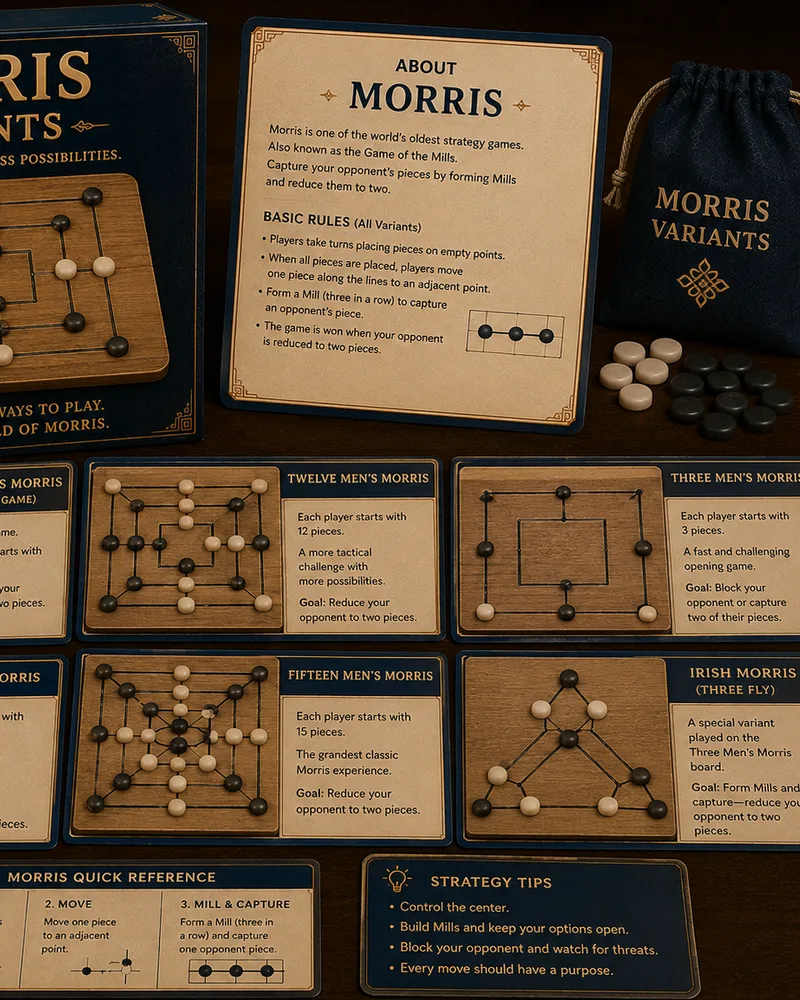 NEW
NEWMorris Variants
Strategy58.0K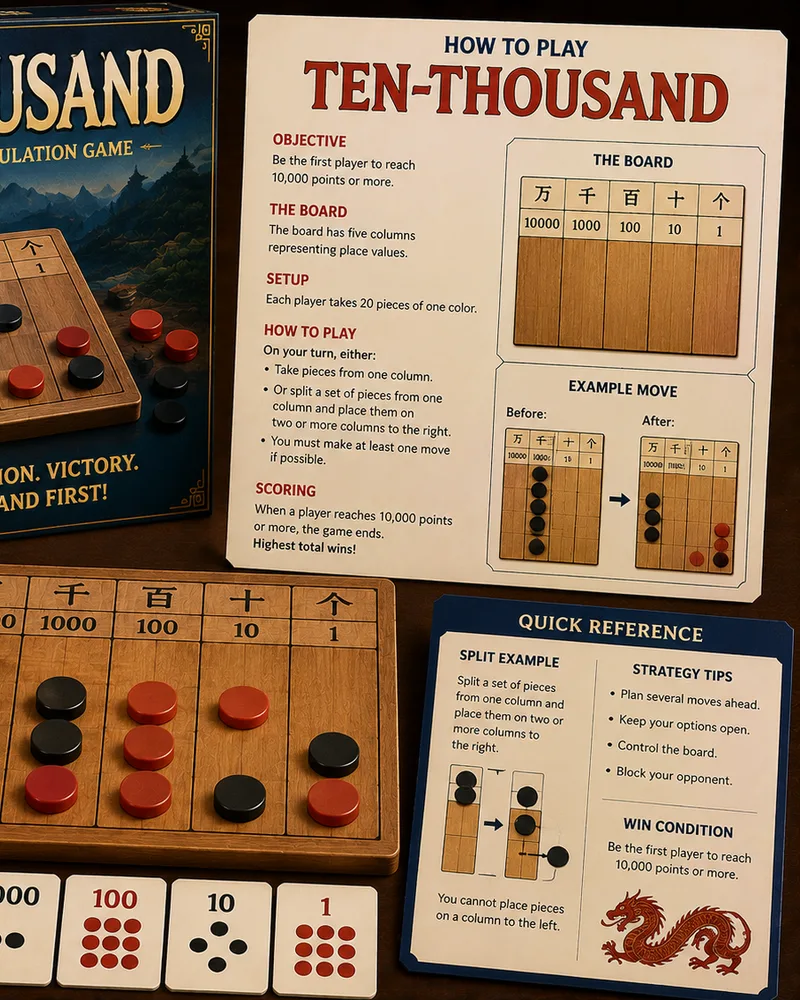 NEW
NEWTen Thousand
Casual88.0K
Popular right now 🔥
All →
Klondike Solitaire
Sudoku
2048

Chess
Ludo
Snake
Block Puzzle
Minesweeper
Checkers
Spider Solitaire
Mahjong Solitaire
Snakes & Ladders
Word Search

Connect Four

Brick Breaker
Tic-Tac-Toe
Bubble Shooter