Dominoes
About Dominoes
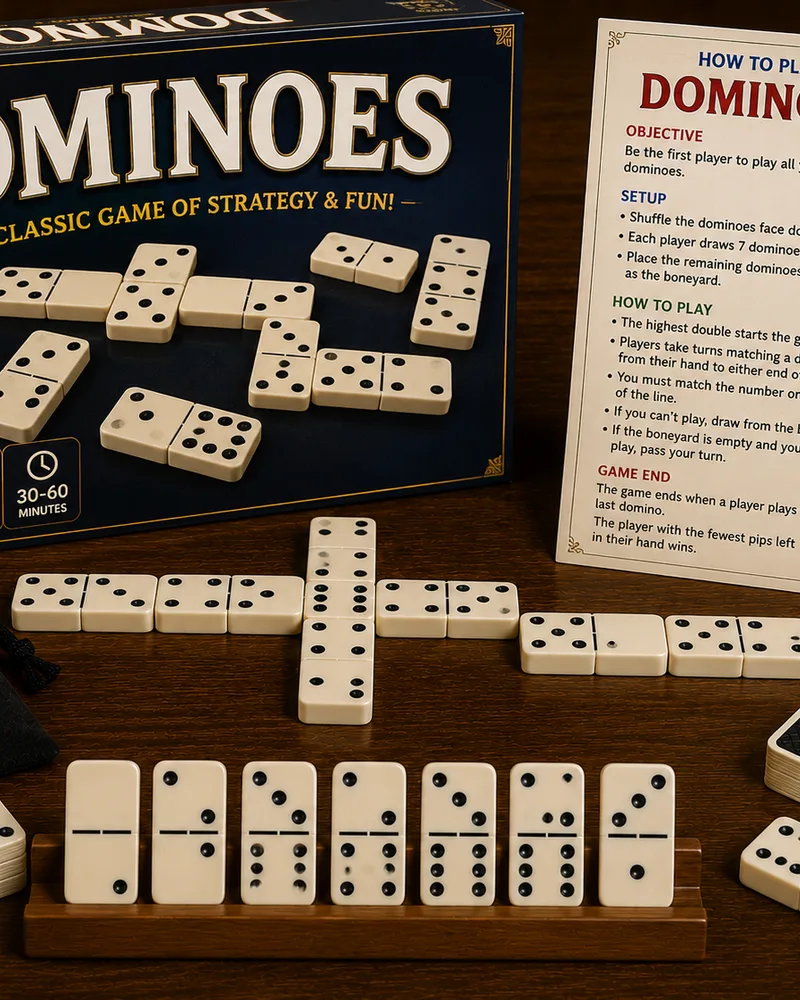
Dominoes is a tile-matching game where you build a chain by adding tiles end to end, matching the numbers where they meet. The goal is to be the first to play all your tiles, or, if the game gets blocked, to be holding the fewest points. It's the classic block game most people picture.
The tiles reached Europe from China in the 18th century and settled into the familiar form played around the world. Its quiet depth is in reading your opponent: by watching which numbers they can't answer, you learn what they're holding, and you can steer the open ends to leave them stuck.
You can play Dominoes free in your browser against the computer with no download. Matching tiles is easy to pick up, and the game becomes more interesting as you learn to track the numbers. It's a relaxed game with a competitive edge, and hands are quick enough to keep you coming back.
Controls
You play by adding tiles to the chain. Tap a tile in your hand, and if one of its numbers matches an open end of the line, it's placed there. If you can't play, you draw from the boneyard.
The line grows from both ends:
- Matching an end means placing a tile whose number matches one of the two open ends of the chain. A six can be added to an end showing six, extending the line.
- Drawing from the boneyard is what you do when no tile in your hand matches either open end. You draw until you can play, or pass if the boneyard is empty.
You win a hand by playing all your tiles first. If nobody can move, the game is blocked and the lowest total of pips left in hand wins.
Points accumulate across hands. The computer sharpens across eight levels, tracking numbers more shrewdly as you climb.
Tips
- Track which numbers are running out. Each number appears on a limited set of tiles, so noticing that most of the sixes are already played tells you a six-end is hard for anyone to answer.
- Watch what your opponent can't play. When the computer draws or passes, it reveals a number it can't match, so steering the open ends to that number can keep it stuck and drawing.
- Play your heavy tiles early. If a hand ends blocked, the pips left in your hand count against you, so shedding high-value tiles early reduces your risk of a costly total.
- Keep both ends in mind. You can add to either end of the chain, so think about how a move changes both open numbers, not just the one you're matching.
- Hold a double when it's useful. A double tile can be tricky to place, but holding one of a common number can also give you flexibility, so weigh whether to play it early or keep it as an answer.
- Don't reveal your weakness. Just as you read your opponent, they read you, so try not to make it obvious which numbers you're desperate to see on the open ends.
Frequently asked questions
Are Dominoes free to play?
Yes. You can play as much as you want with no download and no account.
How do you play Dominoes?
You take turns adding tiles to a chain, matching the number on an open end. If you can't match, you draw from the boneyard. The first player to use all their tiles wins the hand.
How do you win at Dominoes?
You win a hand by playing all your tiles first. If the game gets blocked with no one able to move, the player holding the fewest total pips wins instead. Points build up across hands.
What happens if I can't play a tile?
You draw tiles from the boneyard until you can play one. If the boneyard is empty and you still can't match either open end, you pass your turn.
Can I play Dominoes on my phone?
Yes. It runs in any modern mobile browser with tap controls, so it works well on phones and tablets.
How do I get better at Dominoes?
Track which numbers have mostly been played, watch what your opponent can't match, and shed your heavy tiles early. Steering the open ends toward numbers your opponent lacks is the heart of the game.
More like this
 HOT
HOTChess
Board1.2M NEW
NEWLudo
Board1.1M
Checkers
Board720.0K
Snakes & Ladders
Board612.0K
Tic-Tac-Toe
Board430.0K
Reversi
Board295.0K
Connect Four
Board510.0K
Dots & Boxes
Board180.0K NEW
NEWGomoku
Strategy156.0K NEW
NEWMancala
Board175.0K NEW
NEWKalah
Board88.0K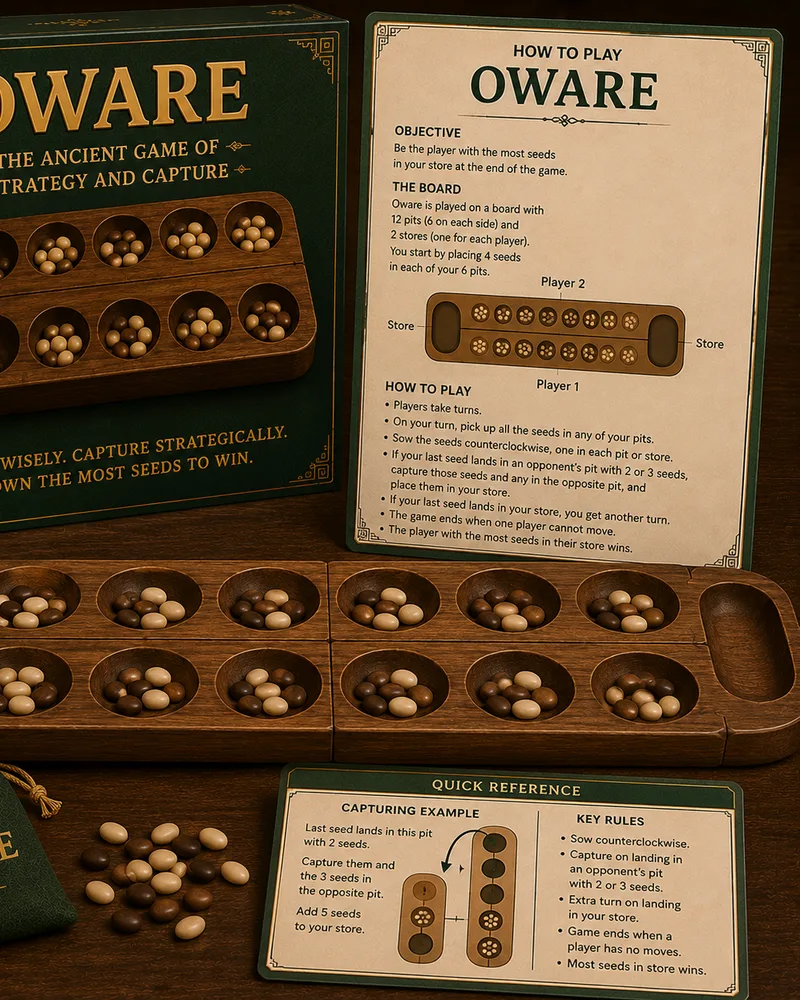 NEW
NEWOware
Board96.0K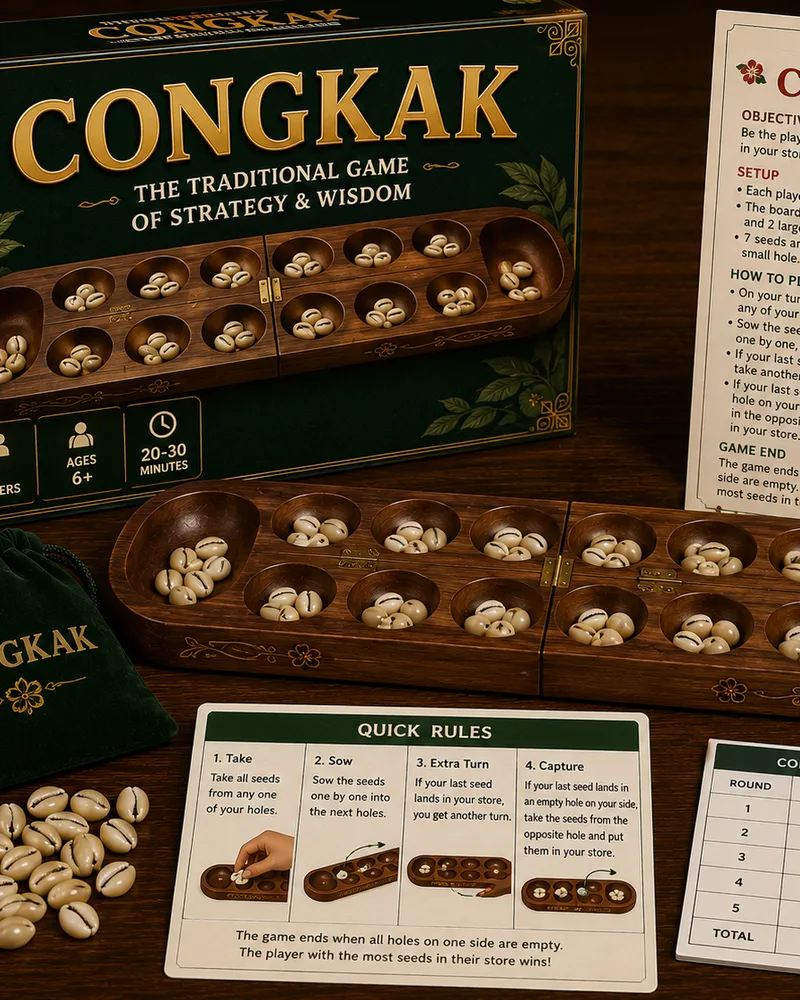 NEW
NEWCongkak
Board70.0K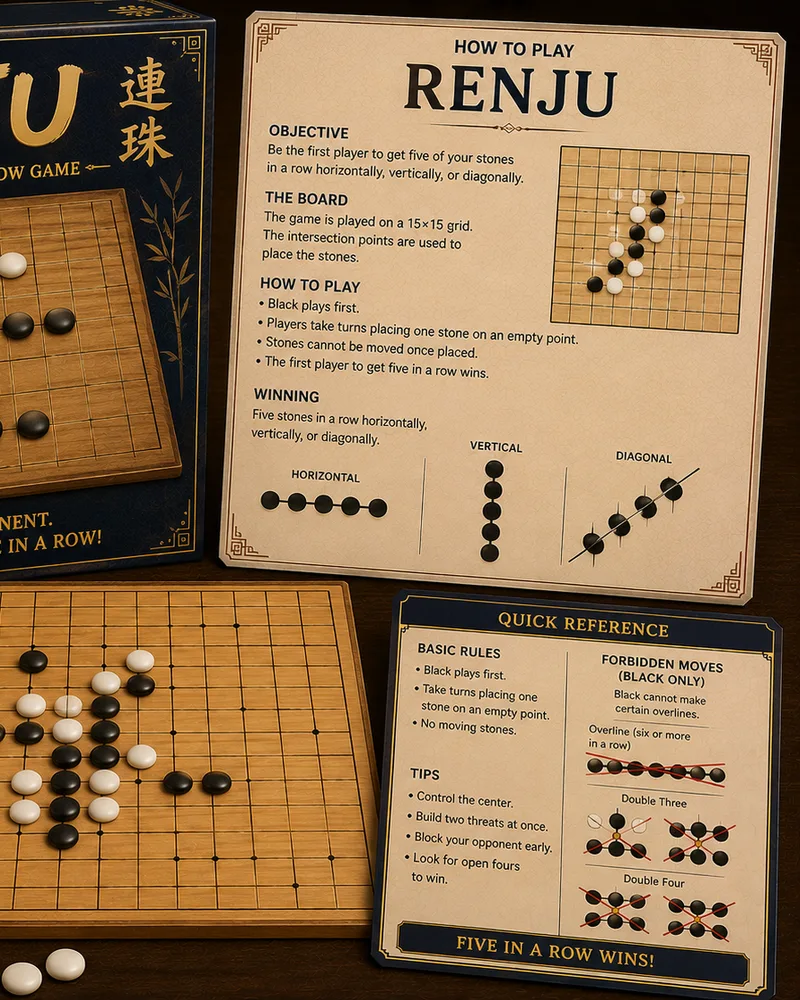 NEW
NEWRenju
Strategy92.0K NEW
NEWBattleship Style
Strategy184.0K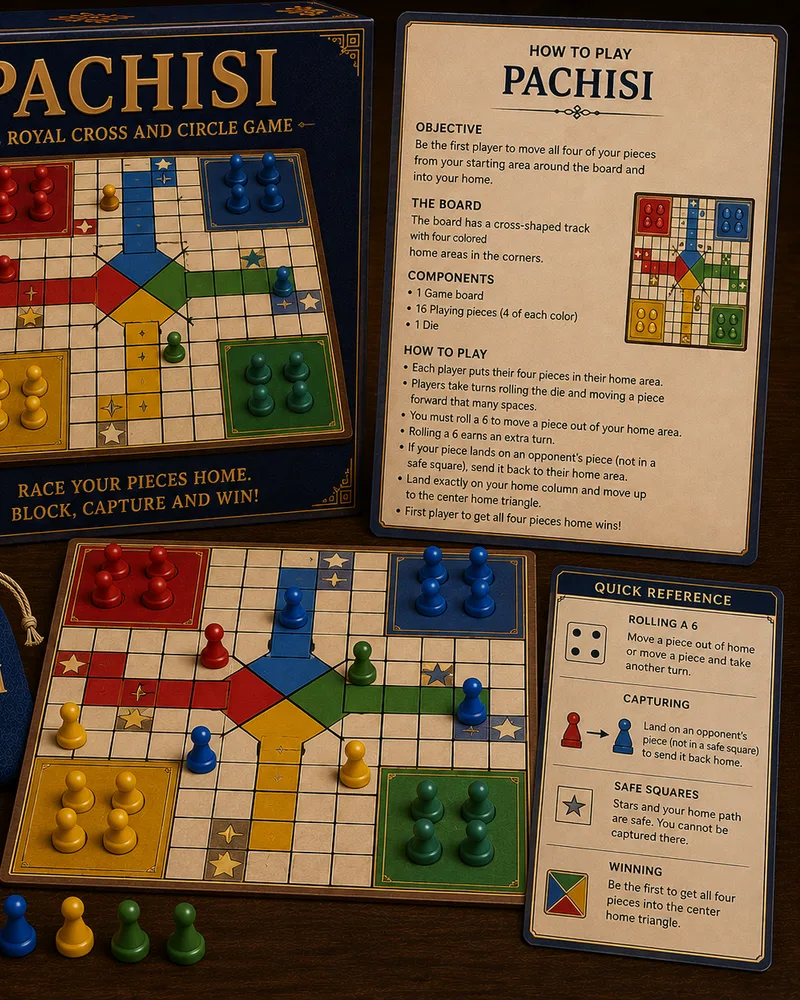 NEW
NEWPachisi
Board142.0K NEW
NEWParcheesi Style
Board116.0K NEW
NEWAggravation Style
Board84.0K NEW
NEWSorry Style
Board98.0K NEW
NEWChaupar
Board62.0K NEW
NEWGame of Goose
Board78.0K NEW
NEWRoyal Game of Ur
Board104.0K NEW
NEWSenet
Board88.0K NEW
NEWMehen
Board56.0K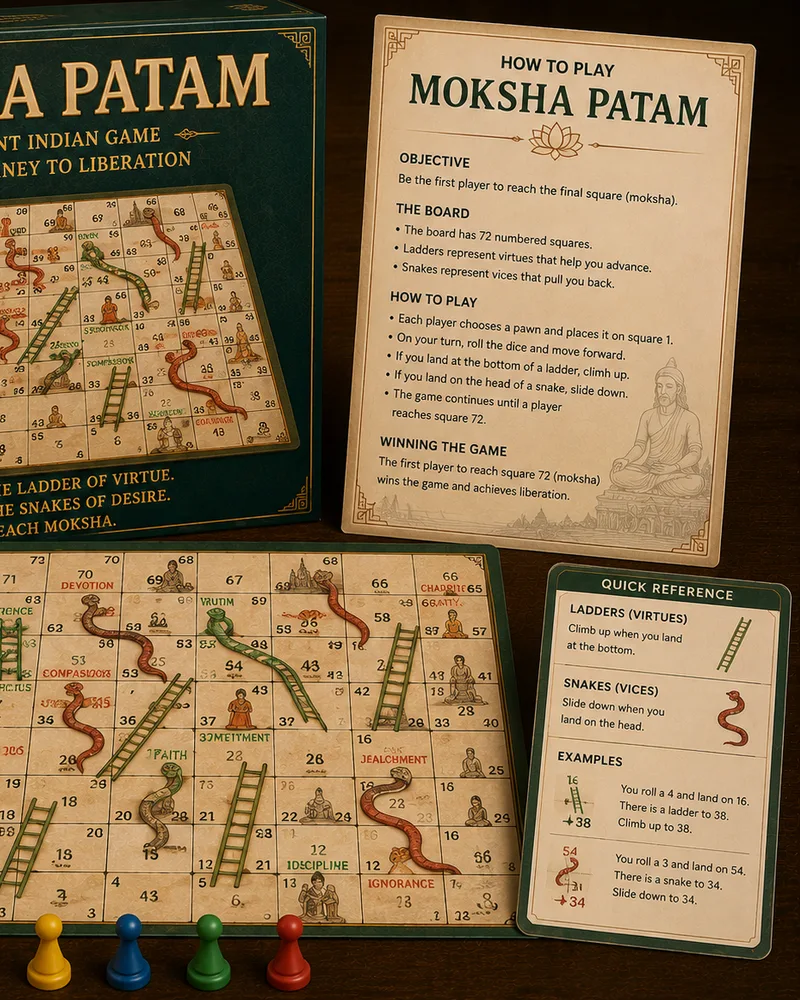 NEW
NEWMoksha Patam
Board110.0K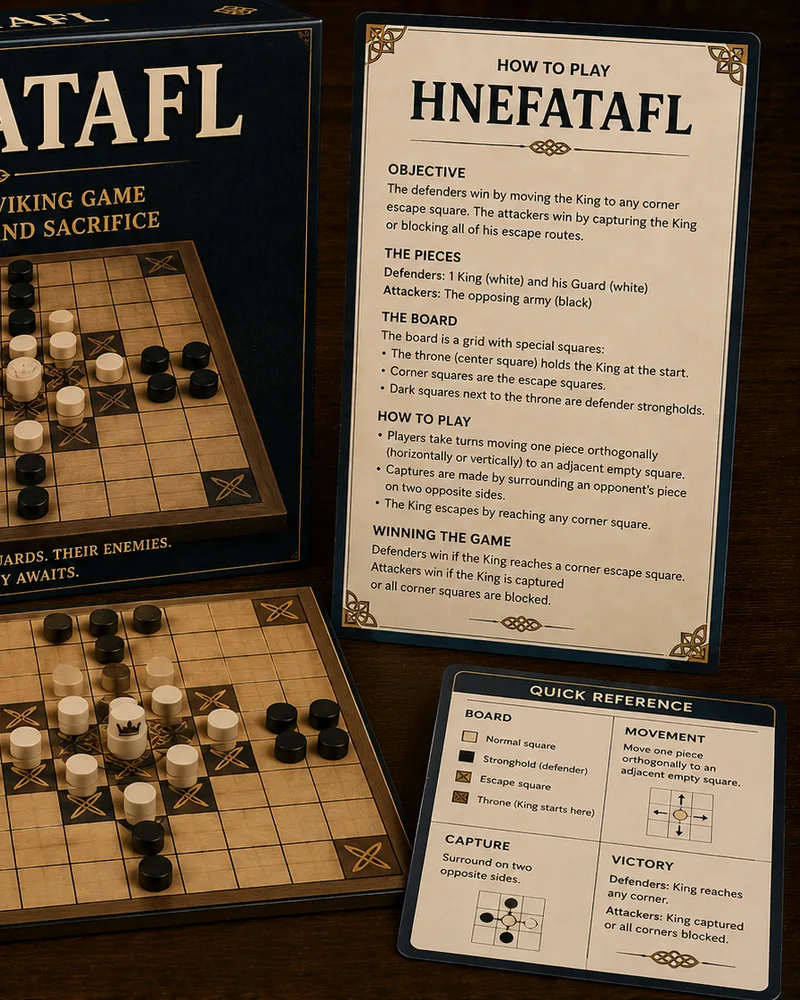 NEW
NEWHnefatafl
Strategy96.0K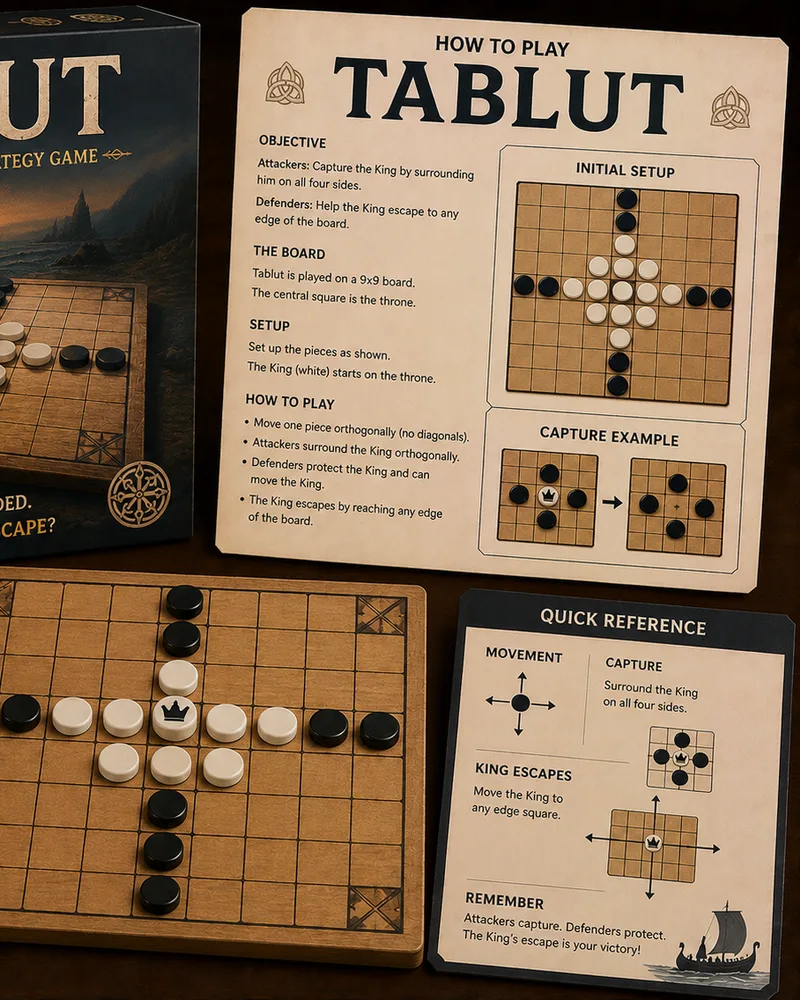 NEW
NEWTablut
Strategy70.0K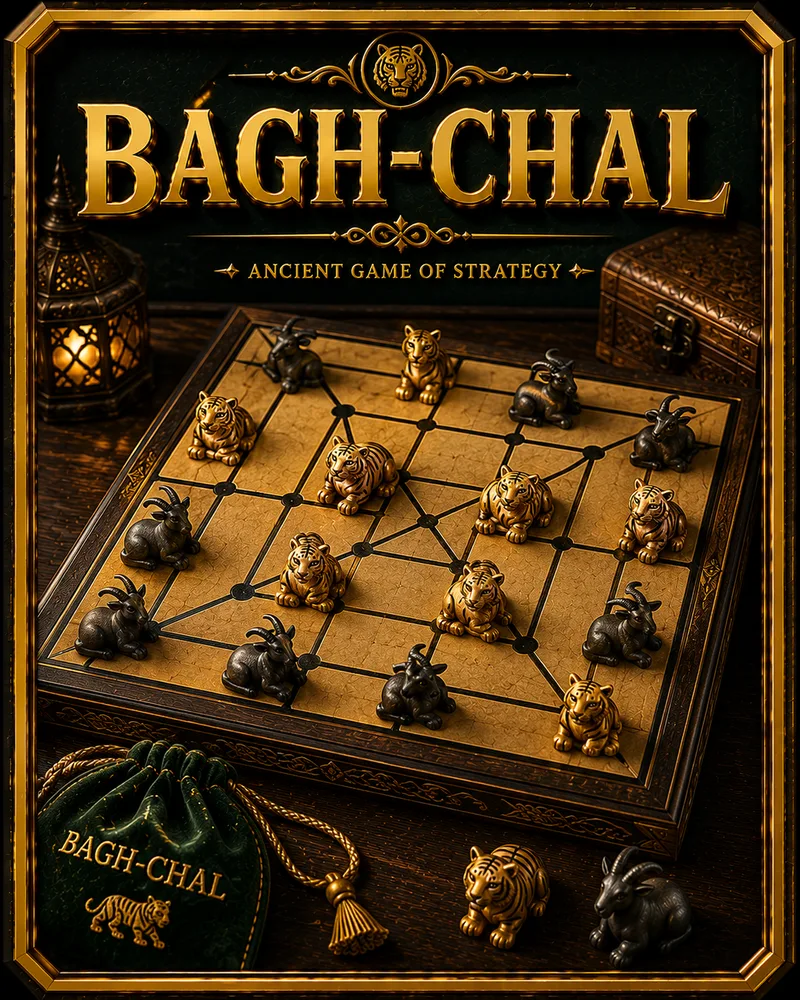 NEW
NEWBagh Chal
Strategy82.0K NEW
NEWFox & Geese
Strategy74.0K NEW
NEWNine Men's Morris
Strategy124.0K NEW
NEWTwelve Men's Morris
Strategy72.0K NEW
NEWAlquerque
Strategy76.0K NEW
NEWFanorona
Strategy68.0K NEW
NEWBackgammon
Board162.0K NEW
NEWBao
Board64.0K NEW
NEWCarrom
Arcade198.0K NEW
NEWXiangqi
Strategy210.0K NEW
NEWJanggi
Strategy118.0K NEW
NEWMakruk
Strategy92.0K NEW
NEWShogi
Strategy156.0K NEW
NEWGo
Strategy188.0K
Popular right now 🔥
All →
Klondike Solitaire
Sudoku
2048
Chess
Ludo
Snake
Block Puzzle
Minesweeper
Checkers
Spider Solitaire
Mahjong Solitaire
Snakes & Ladders
Word Search
Connect Four
Brick Breaker
Tic-Tac-Toe
Bubble Shooter