Kalah
About Kalah
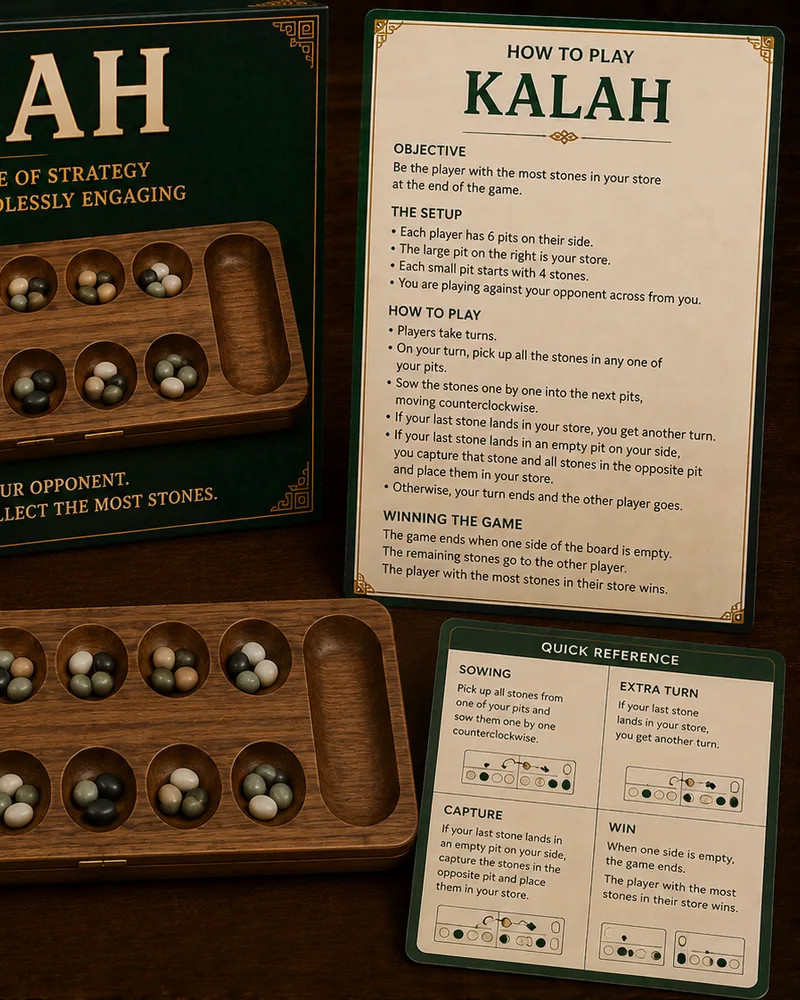
Kalah is the specific mancala ruleset most Western players know, designed in 1940 and sold widely as a boxed game. You sow seeds from your six pits into your store, and the goal, as in all mancala games, is to gather the most seeds. What sets Kalah apart is how precisely it can be calculated.
Because every move lands a known number of seeds a known distance away, Kalah rewards counting more than guessing. In fact, perfect play for the standard setup was computed long ago, which tells you how much exact calculation the game supports. Our top level plays uncomfortably close to that ideal.
You can play Kalah free in your browser against the computer with no download. It is easy to learn if you know any mancala game, and a fine introduction if you don't. The satisfying part is realizing you can plan a move to land exactly where you want, turning a simple game into a counting puzzle.
Controls
You play by choosing which of your six pits to sow. Tap a pit, and its seeds are dropped one at a time into the following pits, counterclockwise, including your own store but skipping your opponent's.
Two rules turn counting into rewards:
- The extra turn comes from landing your last seed exactly in your own store. Chaining these together lets you take several moves before passing play.
- The capture happens when your last seed lands in an empty pit on your side. You take that seed and all the seeds in the opposite pit into your store.
You drop a seed in your own store as you pass it, but never in your opponent's, which is a key Kalah rule.
The game ends when one side empties, and the larger store wins. The computer sharpens across eight levels toward near-perfect play.
Tips
- Count to land in your store. Since a last seed in your store grants another turn, count your pits carefully to line up these free moves, which is the single biggest source of an advantage in Kalah.
- Chain your extra turns. One move that ends in your store can set up another that does the same, so look for sequences that let you play several times before your opponent moves.
- Load up your store early. Because you drop a seed in your store every time you pass it, moves from your farther pits quietly bank points, so don't overlook them for the flashier captures.
- Watch for capture threats against you. An empty pit on your opponent's side facing one of your full pits is a capture waiting to happen, so fill or empty the threatened pit before they can strike.
- Calculate, don't guess. Kalah is exact, so every move can be worked out precisely, and taking the extra second to count beats playing on feel, especially against the higher levels.
- Keep seeds on your side late. As the game winds down, holding seeds on your own side gives you moves and control, since when a side empties the game ends and stranded seeds may go to your opponent.
Frequently asked questions
Is Kalah free to play?
Yes. You can play as much as you want with no download and no account.
How do you play Kalah?
You sow seeds from your six pits counterclockwise, dropping one in your own store as you pass it but skipping your opponent's store. You win by collecting the most seeds, using extra turns and captures to get ahead.
How is Kalah different from other mancala games?
Kalah is a specific 1940 ruleset with fixed rules for extra turns and captures. It is more exactly calculable than many older mancala variants, which is why it rewards careful counting so heavily.
How do you win at Kalah?
The game ends when one player's side is empty, and whoever has the most seeds in their store wins. Chaining extra turns and setting up captures is how you build the bigger store.
Can I play Kalah on my phone?
Yes. It runs in any modern mobile browser with tap controls, so it works well on phones and tablets.
How do I get better at Kalah?
Count your pits so you can land the last seed in your store for extra turns, chain those turns together, and guard against captures on your side. Kalah rewards exact calculation over playing by feel.
More like this
 HOT
HOTChess
Board1.2M NEW
NEWLudo
Board1.1M
Checkers
Board720.0K
Snakes & Ladders
Board612.0K
Tic-Tac-Toe
Board430.0K
Reversi
Board295.0K
Connect Four
Board510.0K
Dots & Boxes
Board180.0K NEW
NEWGomoku
Strategy156.0K NEW
NEWMancala
Board175.0K NEW
NEWOware
Board96.0K NEW
NEWCongkak
Board70.0K NEW
NEWRenju
Strategy92.0K NEW
NEWDominoes
Board168.0K NEW
NEWBattleship Style
Strategy184.0K NEW
NEWPachisi
Board142.0K NEW
NEWParcheesi Style
Board116.0K NEW
NEWAggravation Style
Board84.0K NEW
NEWSorry Style
Board98.0K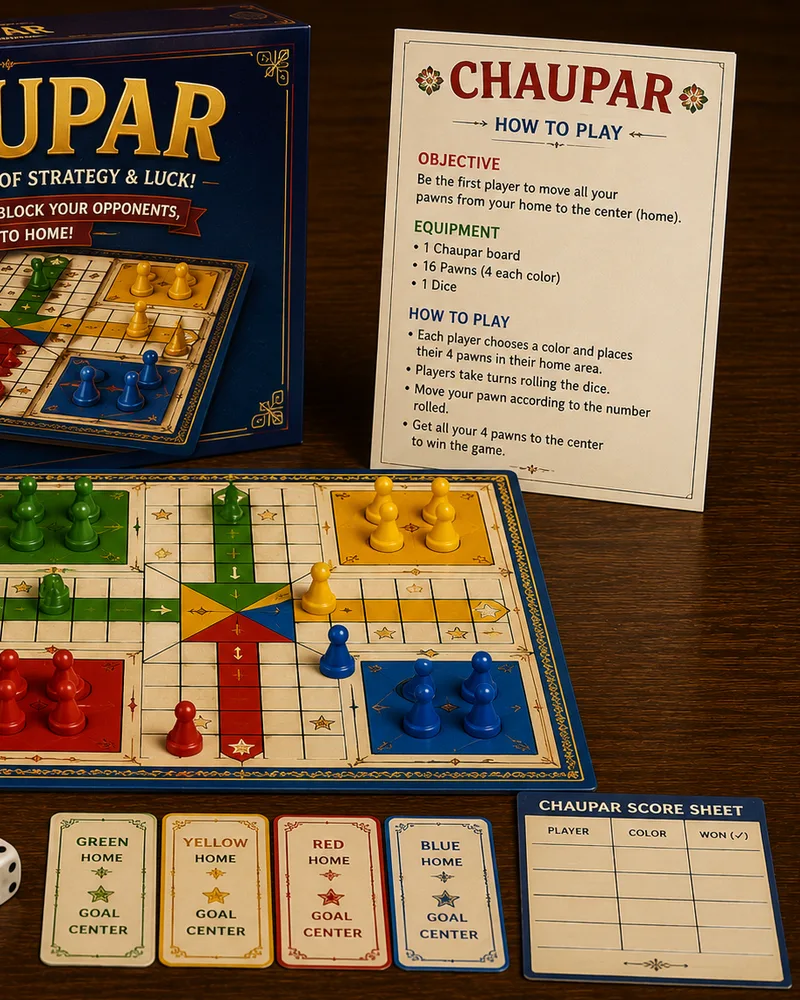 NEW
NEWChaupar
Board62.0K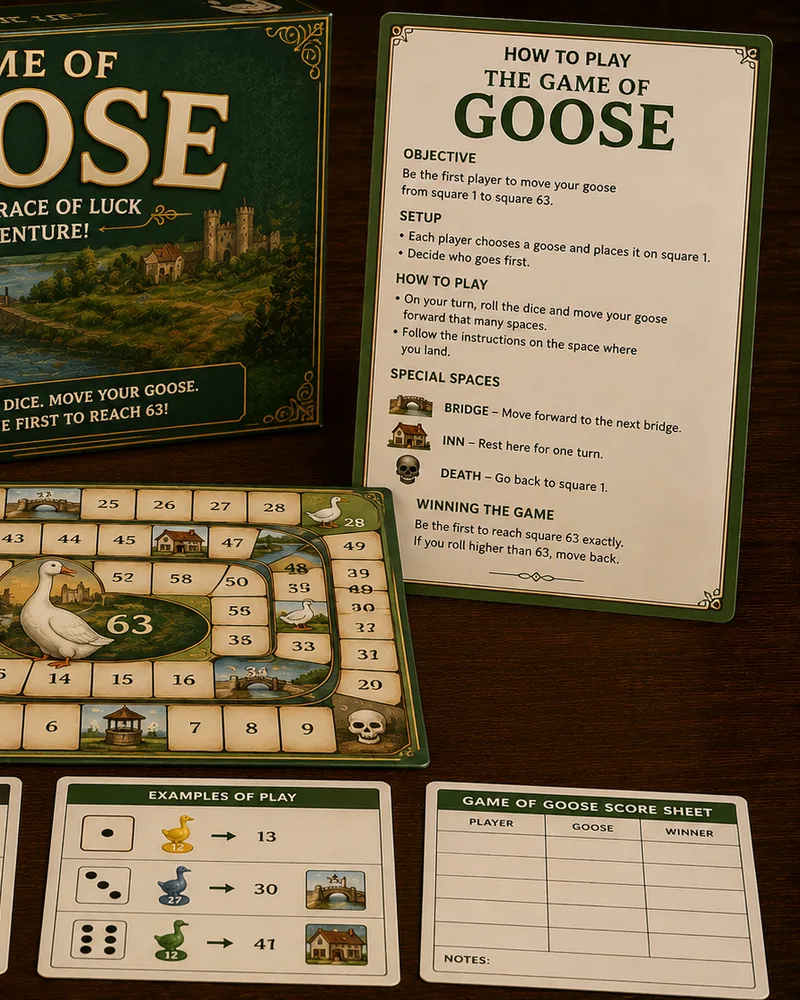 NEW
NEWGame of Goose
Board78.0K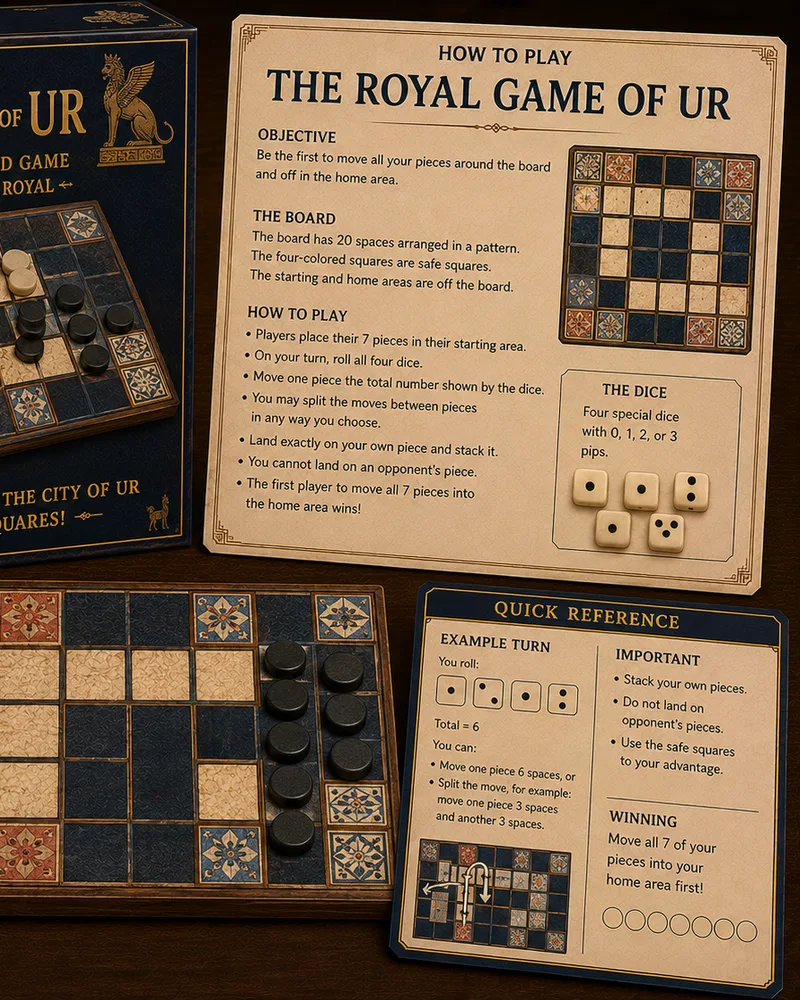 NEW
NEWRoyal Game of Ur
Board104.0K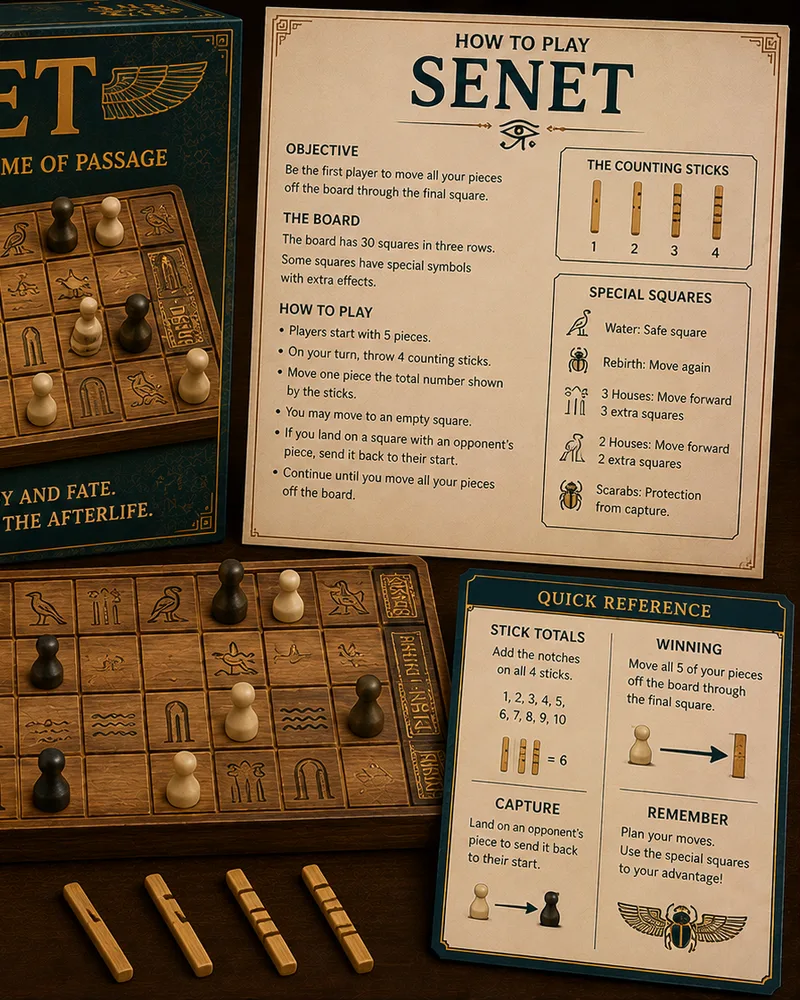 NEW
NEWSenet
Board88.0K NEW
NEWMehen
Board56.0K NEW
NEWMoksha Patam
Board110.0K NEW
NEWHnefatafl
Strategy96.0K NEW
NEWTablut
Strategy70.0K NEW
NEWBagh Chal
Strategy82.0K NEW
NEWFox & Geese
Strategy74.0K NEW
NEWNine Men's Morris
Strategy124.0K NEW
NEWTwelve Men's Morris
Strategy72.0K NEW
NEWAlquerque
Strategy76.0K NEW
NEWFanorona
Strategy68.0K NEW
NEWBackgammon
Board162.0K NEW
NEWBao
Board64.0K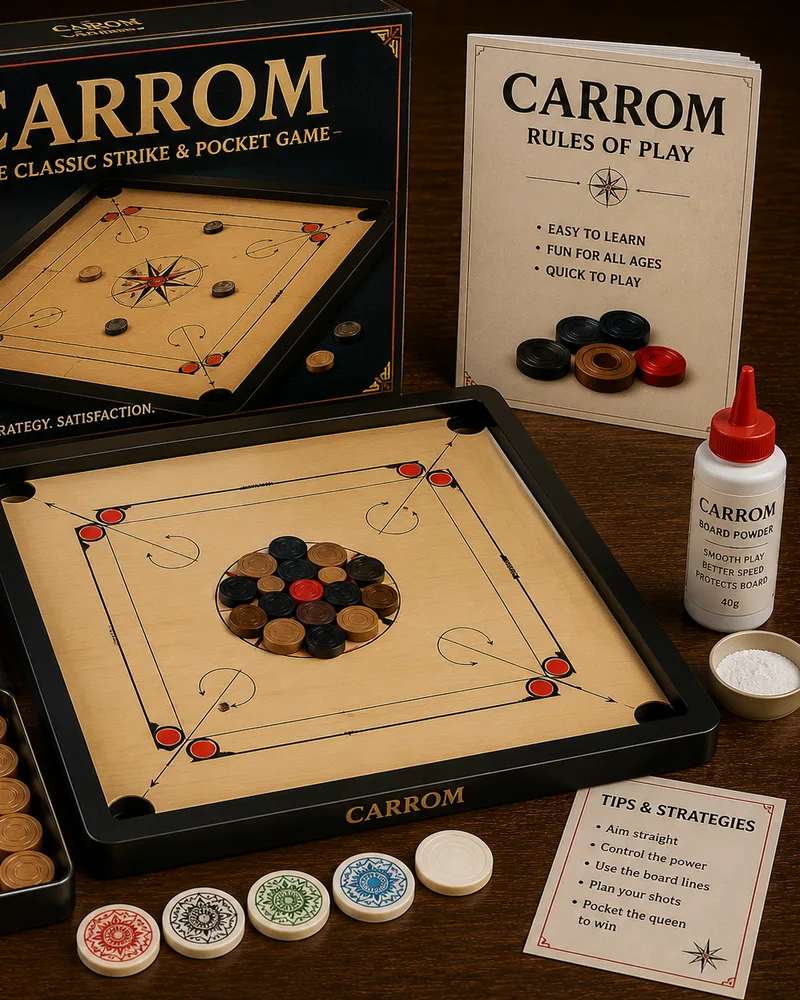 NEW
NEWCarrom
Arcade198.0K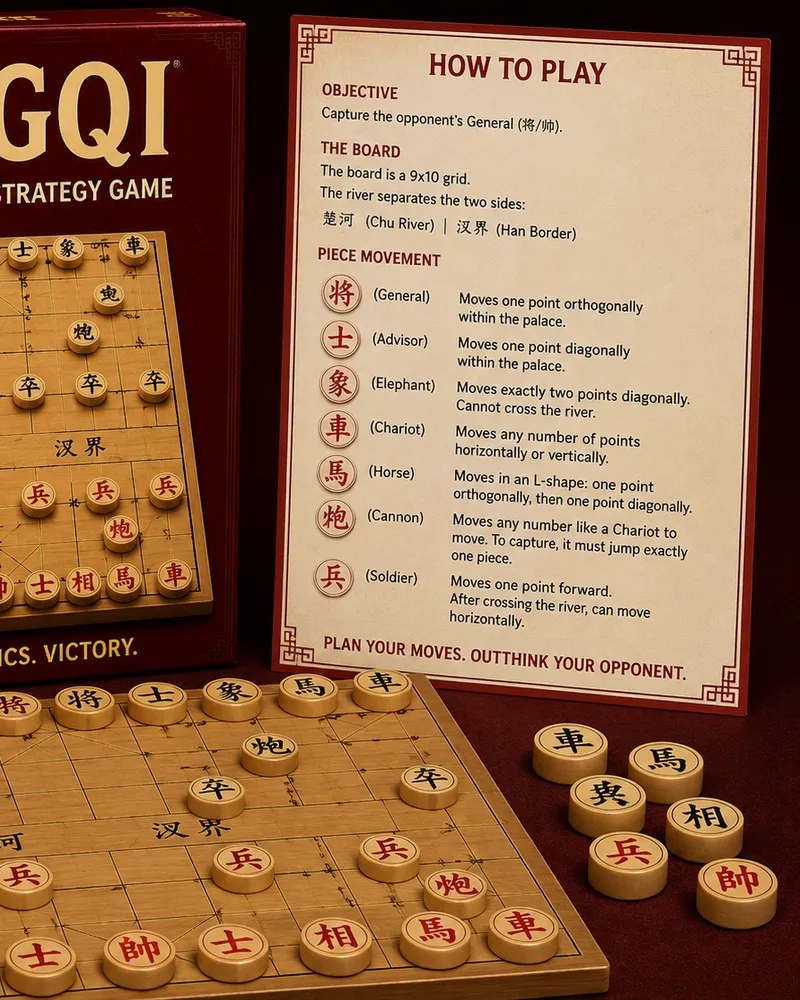 NEW
NEWXiangqi
Strategy210.0K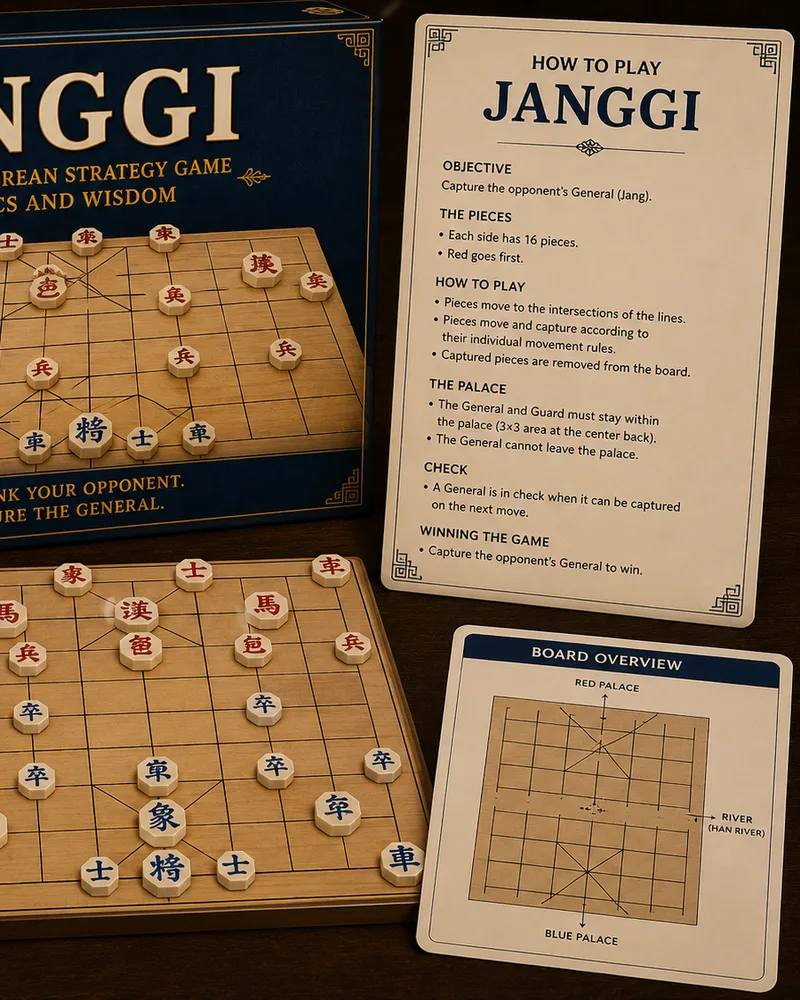 NEW
NEWJanggi
Strategy118.0K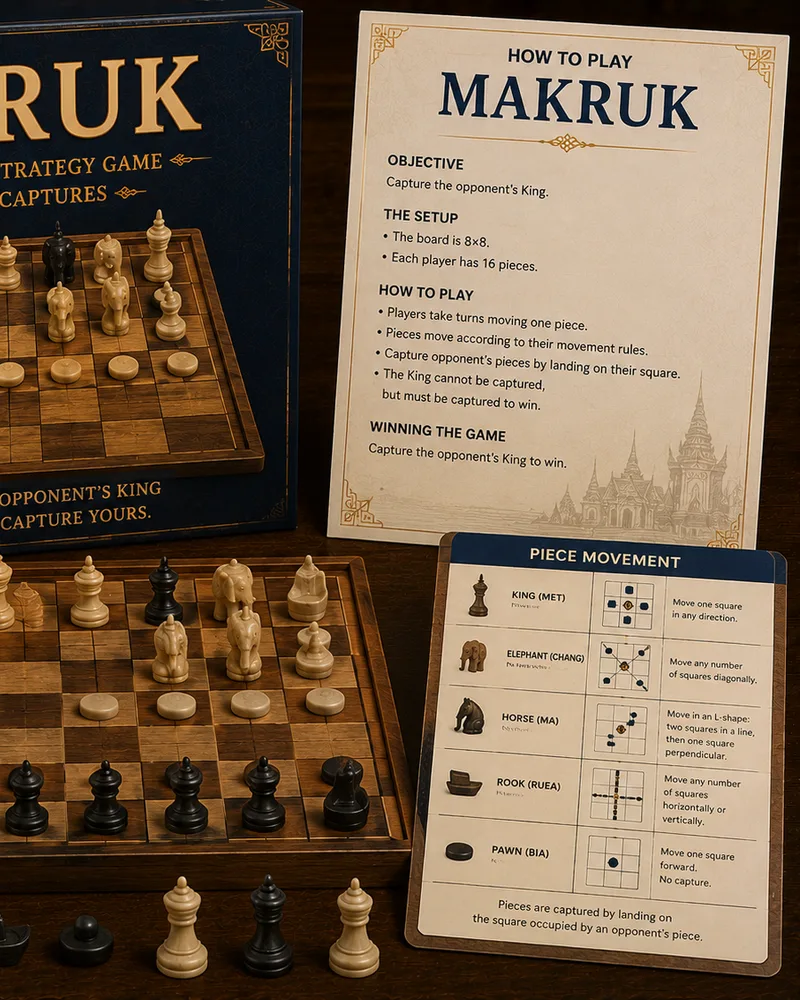 NEW
NEWMakruk
Strategy92.0K NEW
NEWShogi
Strategy156.0K NEW
NEWGo
Strategy188.0K
Popular right now 🔥
All →
Klondike Solitaire
Sudoku
2048
Chess
Ludo
Snake
Block Puzzle
Minesweeper
Checkers
Spider Solitaire
Mahjong Solitaire
Snakes & Ladders

Word Search
Connect Four

Brick Breaker
Tic-Tac-Toe
Bubble Shooter