Go
About Go
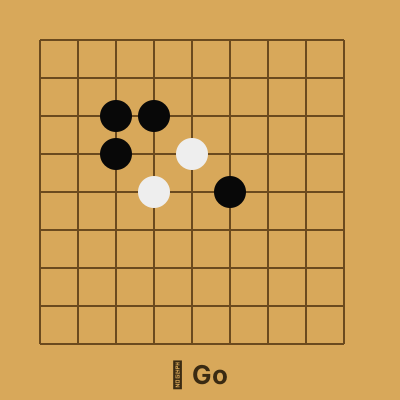
Go is an ancient game of territory played on a grid, where two players place black and white stones on the intersections. The goal is to surround more empty space than your opponent, while capturing enemy stones and keeping your own groups alive. Its rules take minutes to learn, but its depth is famously boundless.
It has been played in China for over 2,500 years, and it holds a special place in the history of games: it remained beyond the reach of computer mastery until 2016, long after chess had fallen, a testament to how much intuition it demands. Players discover that even empty corners of the board are worth fighting over.
You can play Go free in your browser against the computer or a friend, with no download. The simple rules make it easy to start placing stones, though the strategy is a lifelong study. Don't be intimidated: a few games teach you the rhythm, and its beauty reveals itself gradually as you play.
Controls
You play by placing stones. Tap an empty intersection to place your stone there. Players alternate, and stones don't move once placed, though they can be captured.
Capturing and life are the core ideas:
- Capturing happens when a stone or connected group of stones has no adjacent empty points left, its 'liberties.' A group completely surrounded is captured and removed from the board.
- Territory and eyes decide the game: you score the empty space your stones surround. Groups stay alive by enclosing two separate empty points, called eyes, which make them impossible to capture.
The game ends when both players pass, at which point territory plus captured stones decides the winner.
Against the computer, the difficulty rises across eight levels, so the opponent fights for territory more sharply as you climb.
Tips
- Play in the corners first. Territory is easiest to secure in the corners, since the board edges do part of the surrounding for you, so the opening usually starts there before moving to the sides and center.
- Make your groups live with two eyes. A group with two separate enclosed empty points can never be captured, so ensuring your important groups can form two eyes keeps them safe for the rest of the game.
- Value influence, not just captures. Go isn't mainly about capturing stones but about surrounding territory, so a wall of stones facing open space is often worth more than grabbing a few enemy pieces.
- Don't try to save every stone. Sometimes a few stones are lost causes, so sacrificing them to build strength elsewhere is wiser than pouring moves into a group that can't be saved.
- Balance the whole board. Spreading your stones to stake out several areas early is usually stronger than piling into one local fight, since Go is won across the entire board.
- Learn to recognize life and death. Knowing whether a group can make two eyes, and thus live, or can be killed, is the single most important skill in Go, so studying these shapes pays off enormously.
Frequently asked questions
Is Go free to play?
Yes. You can play as much as you want with no download and no account.
How do you play Go?
You take turns placing stones on the intersections of the board. You try to surround empty territory and capture enemy groups, which happens when a group has no adjacent empty points left. The player who controls more territory plus captures wins.
How do you capture stones in Go?
A stone or connected group is captured when it has no adjacent empty points, called liberties, left, meaning it's completely surrounded. The captured stones are removed from the board and count toward the opponent's score.
What are eyes?
An eye is an enclosed empty point inside a group. A group with two separate eyes can never be captured, because the opponent can't fill both at once, so making two eyes is how you keep a group alive.
How do you win at Go?
The game ends when both players pass. You win by controlling more of the board than your opponent, counting the empty territory your stones surround plus the stones you've captured.
Can I play Go on my phone?
Yes. It runs in any modern mobile browser with tap controls, so it works well on phones and tablets.
More like this
 HOT
HOTChess
Board1.2M
Checkers
Board720.0K
Reversi
Board295.0K
Connect Four
Board510.0K
Dots & Boxes
Board180.0K NEW
NEWNim
Strategy72.0K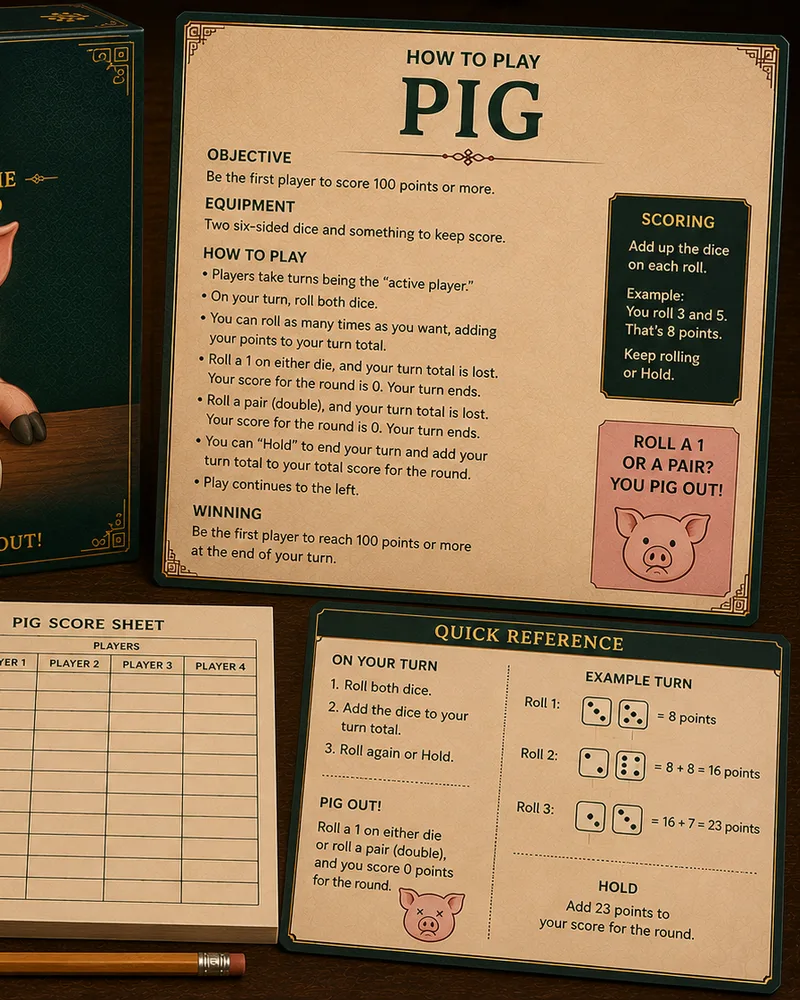 NEW
NEWPig
Casual84.0K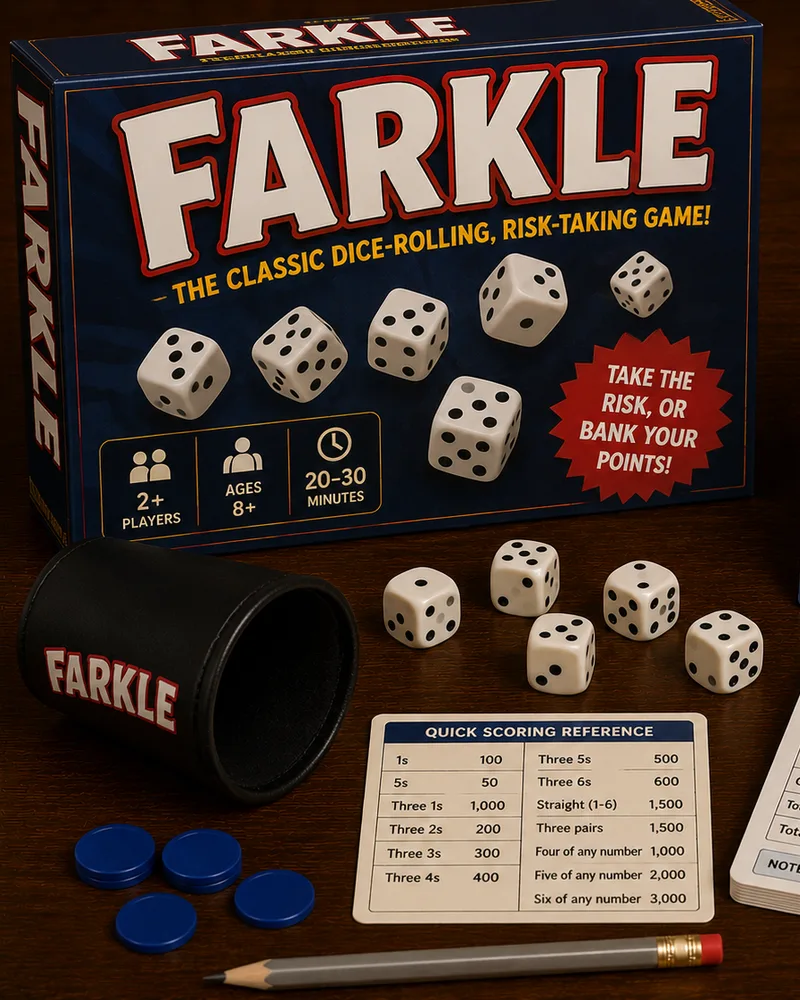 NEW
NEWFarkle
Casual132.0K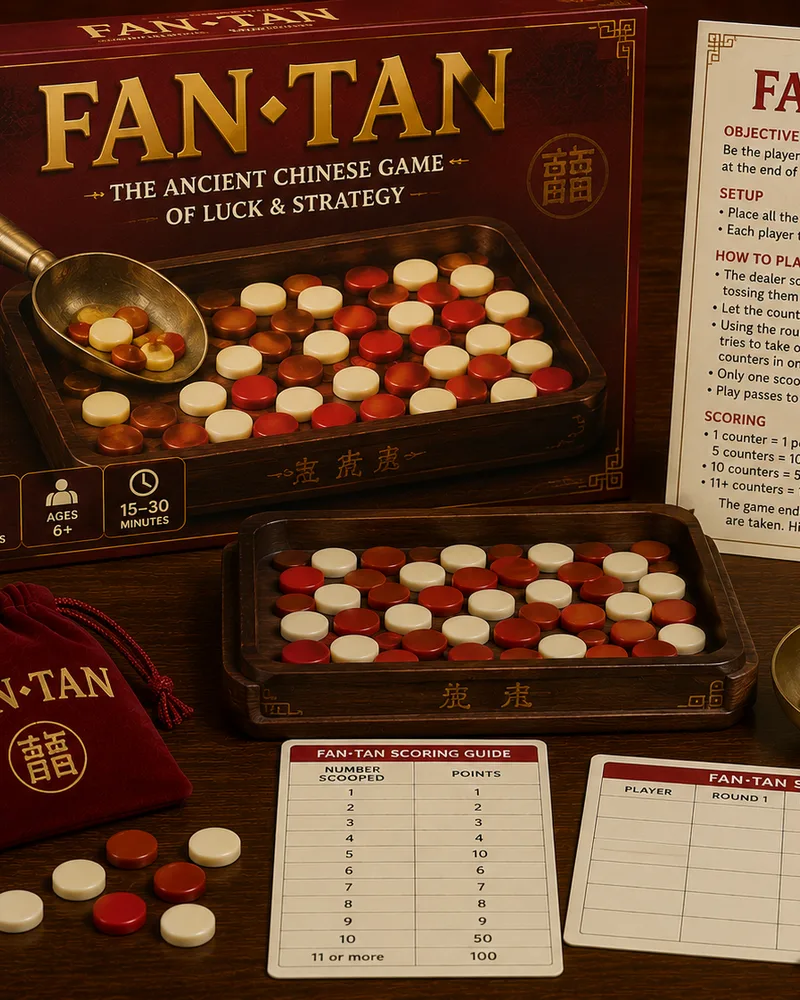 NEW
NEWFan Tan
Card64.0K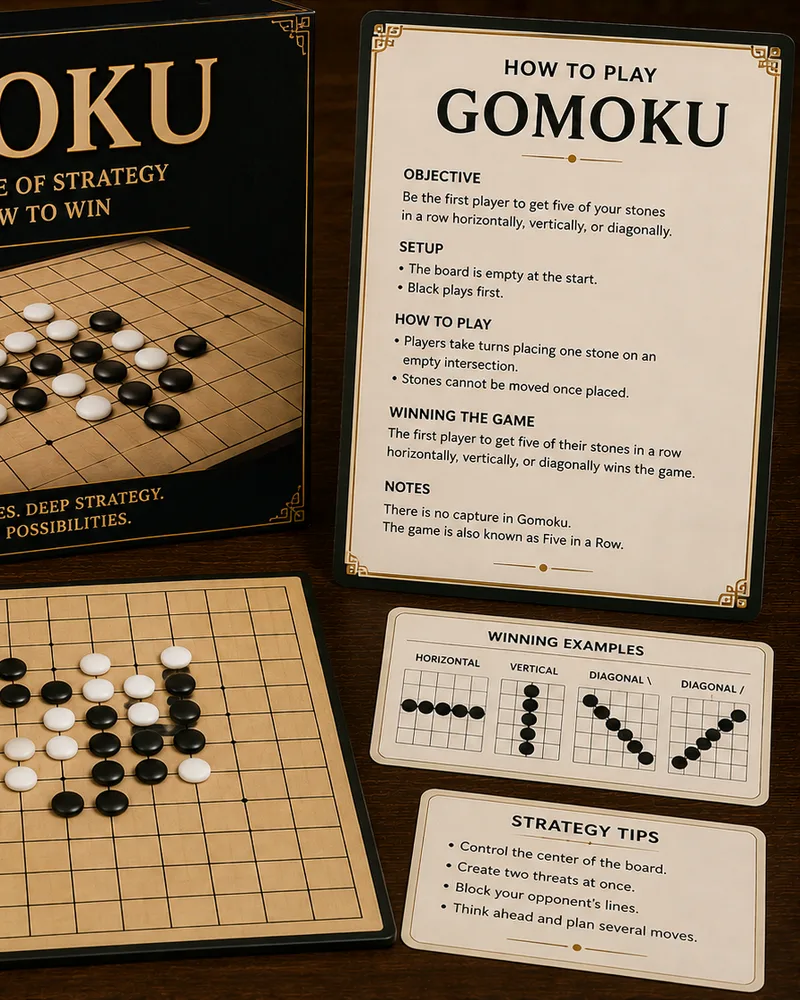 NEW
NEWGomoku
Strategy156.0K NEW
NEWMancala
Board175.0K NEW
NEWKalah
Board88.0K NEW
NEWOware
Board96.0K NEW
NEWCongkak
Board70.0K NEW
NEWRenju
Strategy92.0K NEW
NEWBattleship Style
Strategy184.0K NEW
NEWPachisi
Board142.0K NEW
NEWParcheesi Style
Board116.0K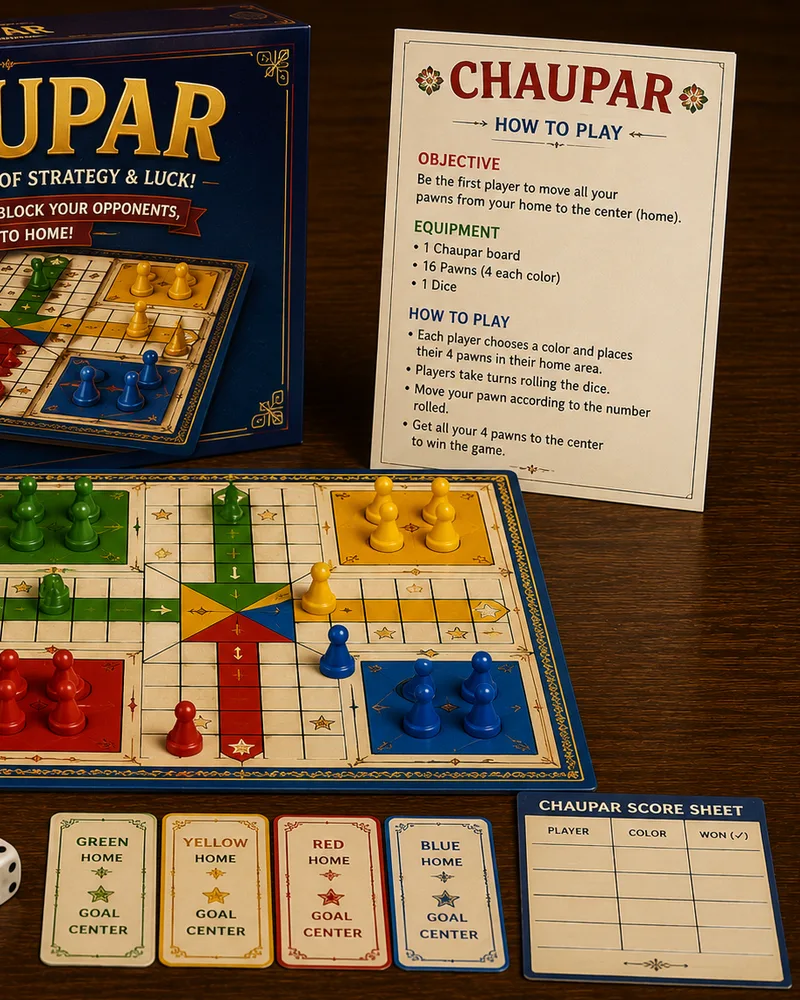 NEW
NEWChaupar
Board62.0K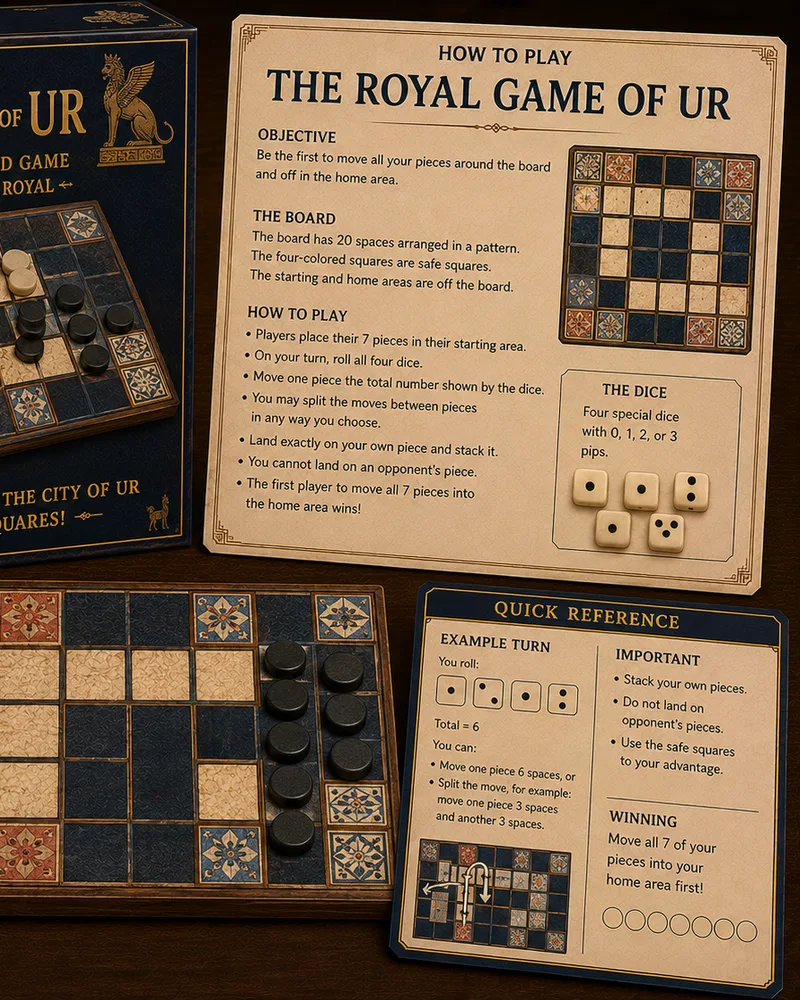 NEW
NEWRoyal Game of Ur
Board104.0K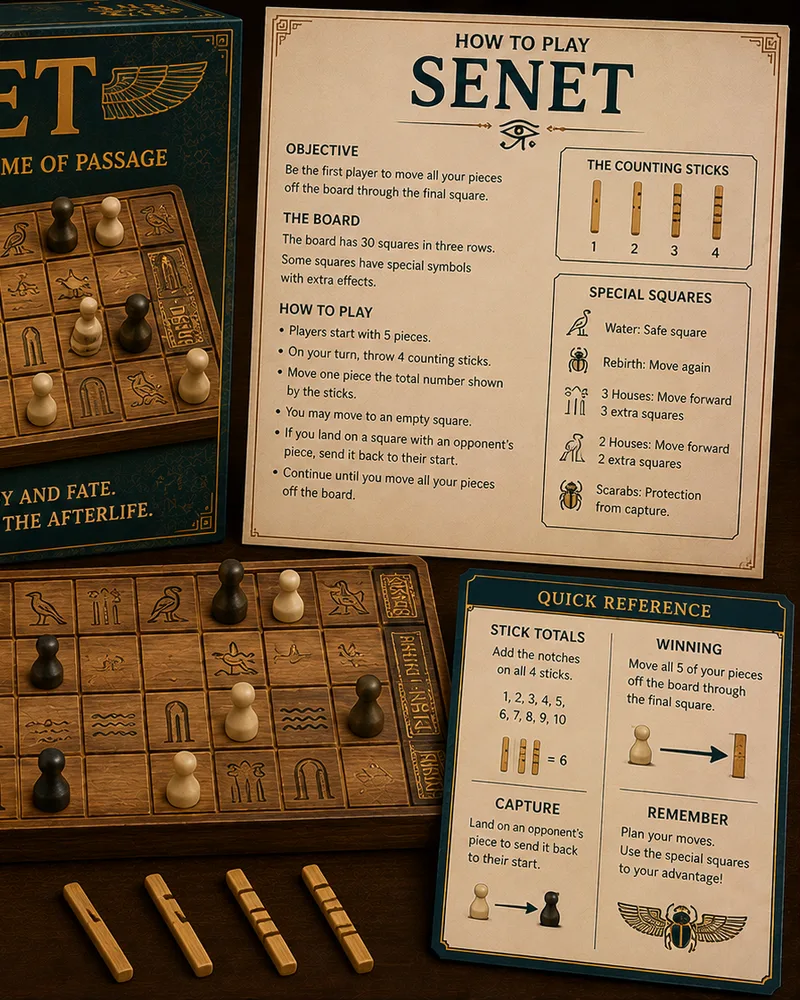 NEW
NEWSenet
Board88.0K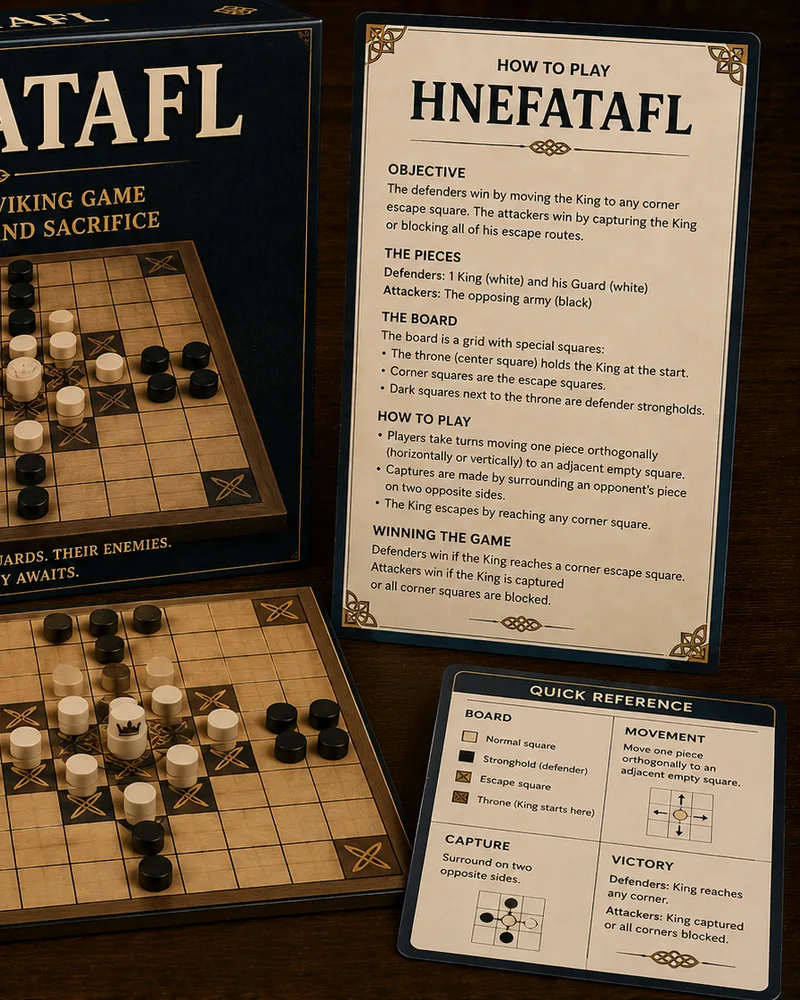 NEW
NEWHnefatafl
Strategy96.0K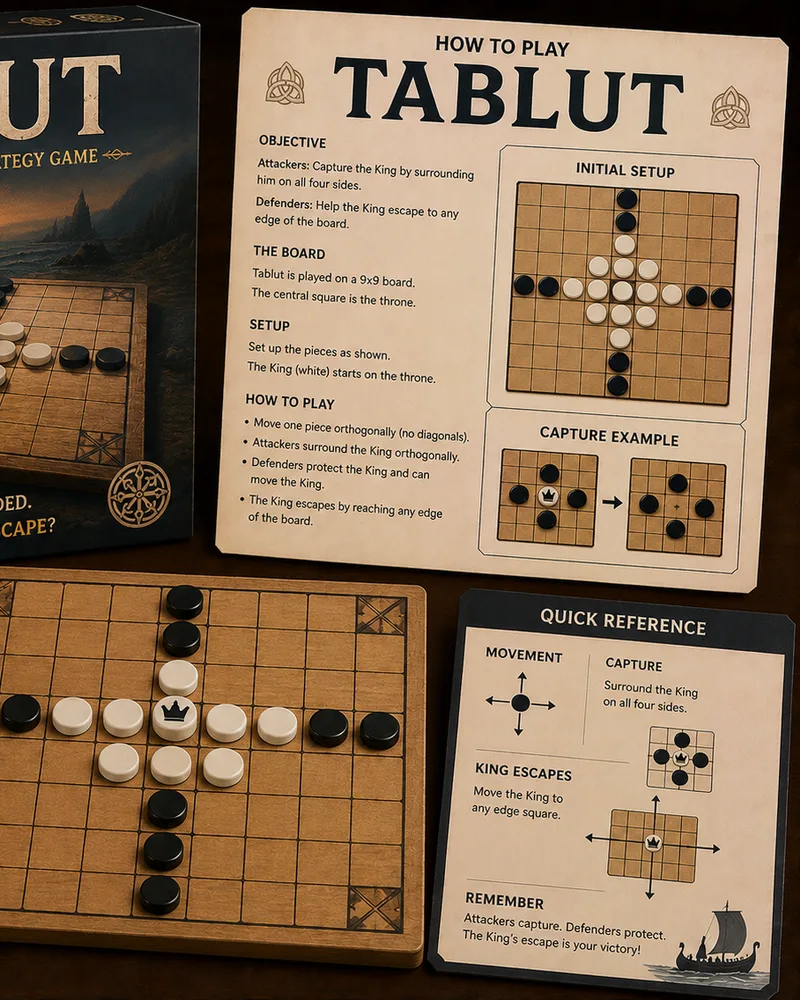 NEW
NEWTablut
Strategy70.0K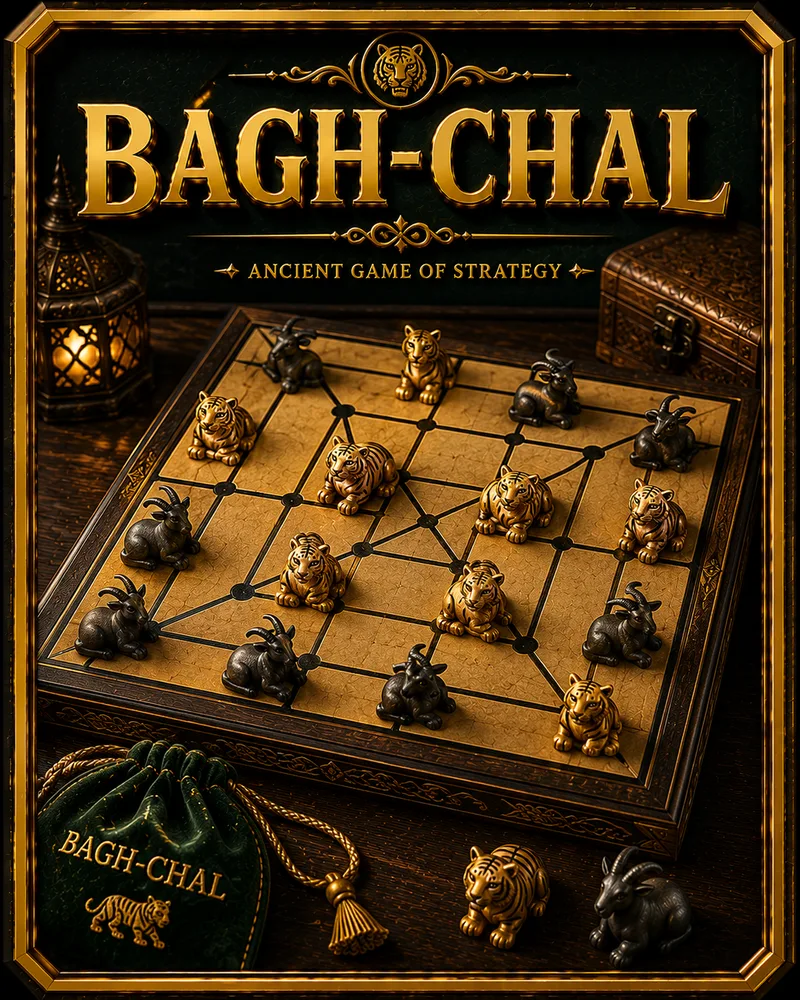 NEW
NEWBagh Chal
Strategy82.0K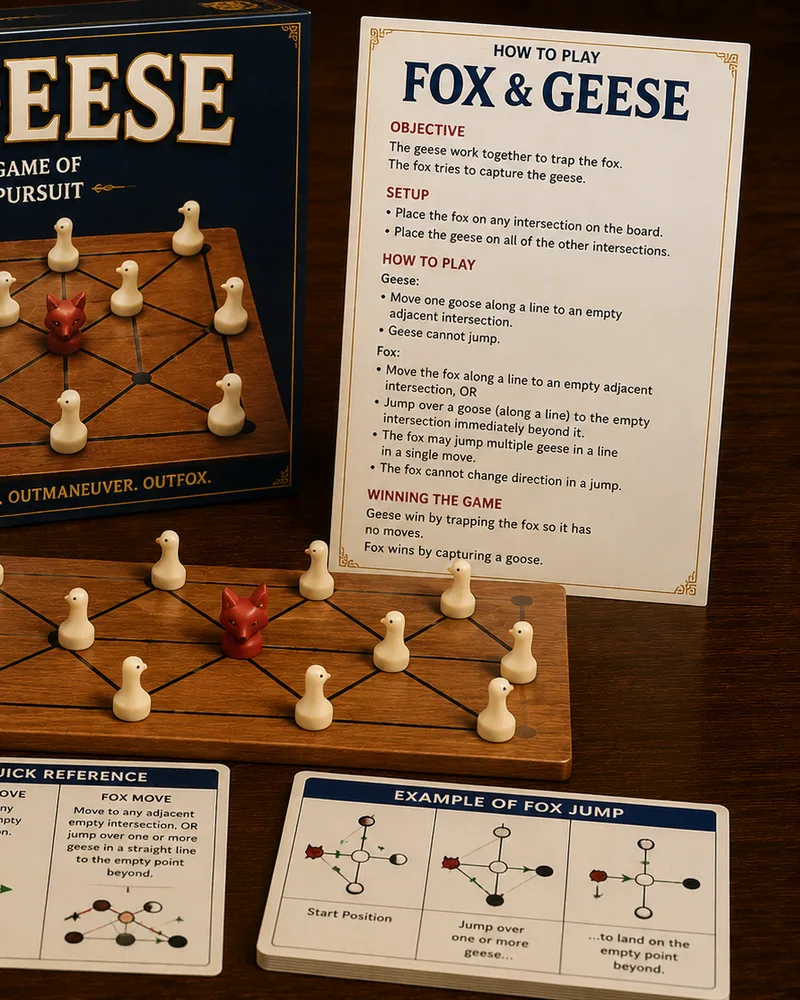 NEW
NEWFox & Geese
Strategy74.0K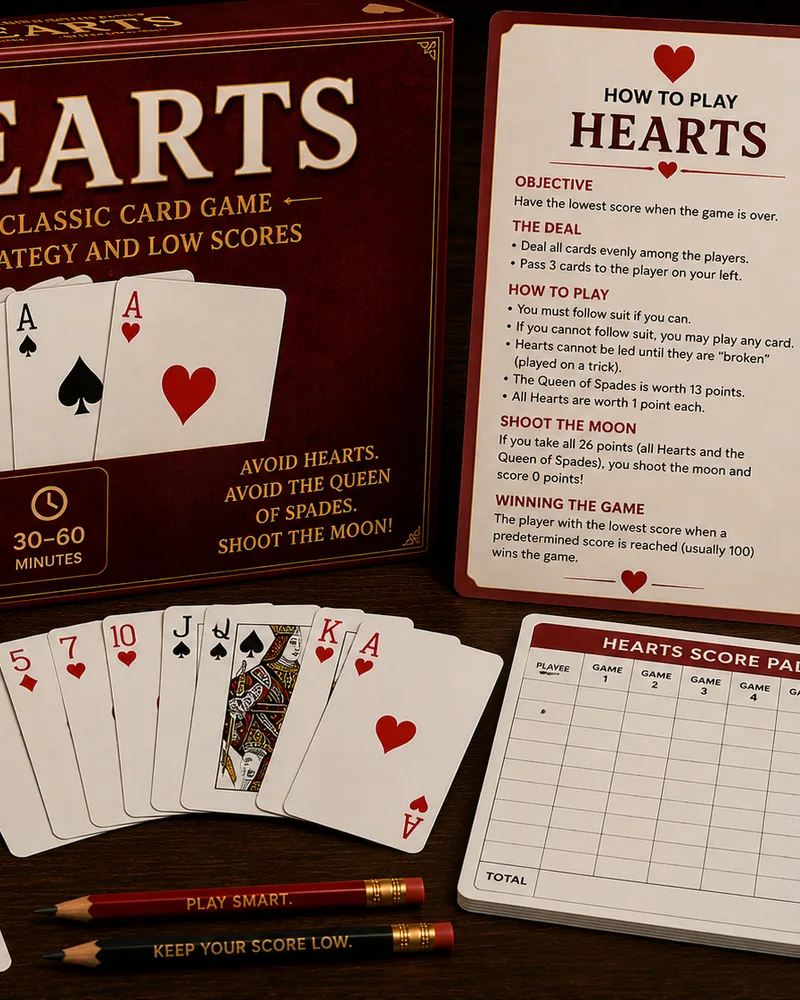 NEW
NEWHearts
Card188.0K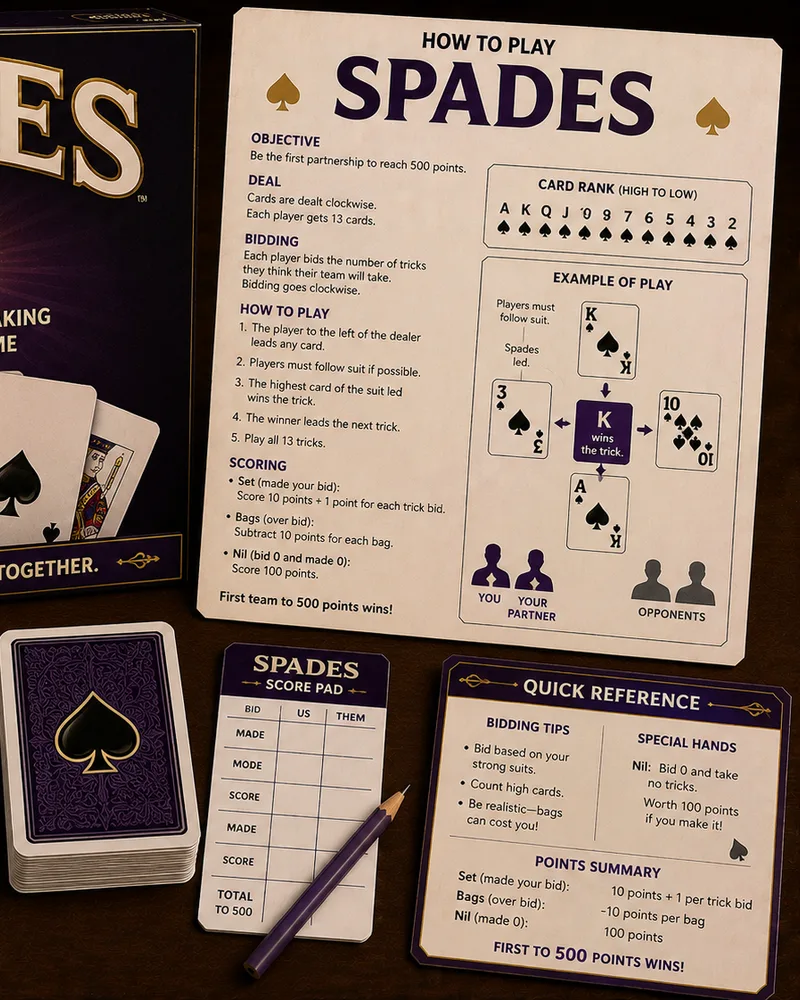 NEW
NEWSpades
Card164.0K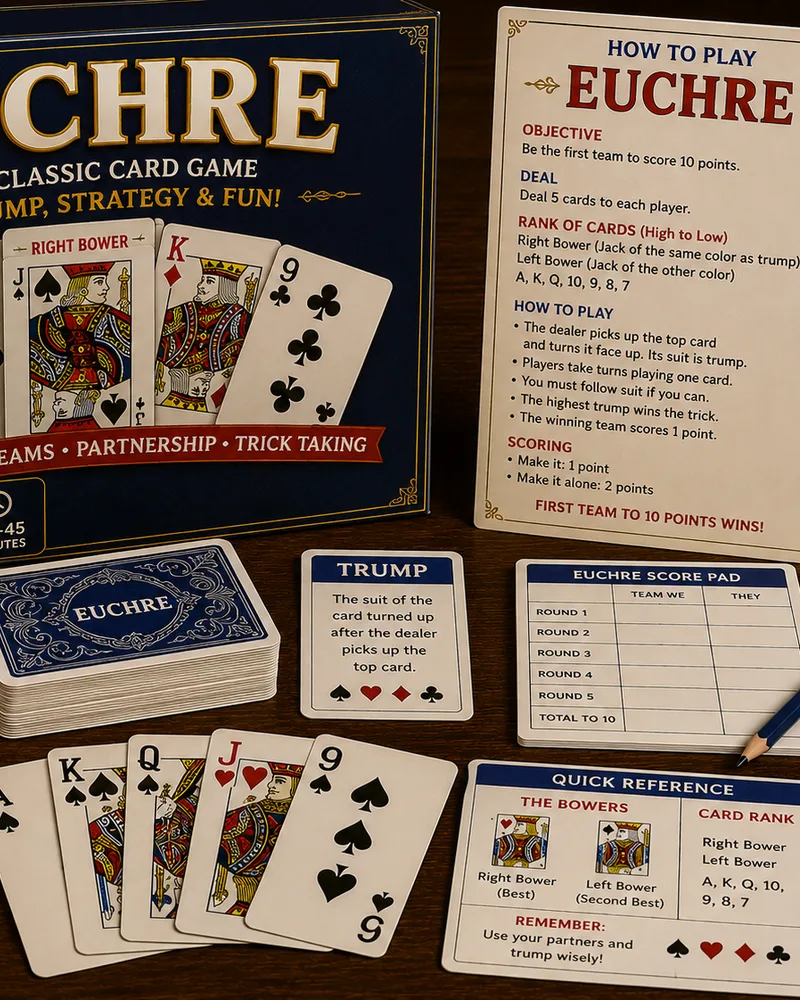 NEW
NEWEuchre
Card96.0K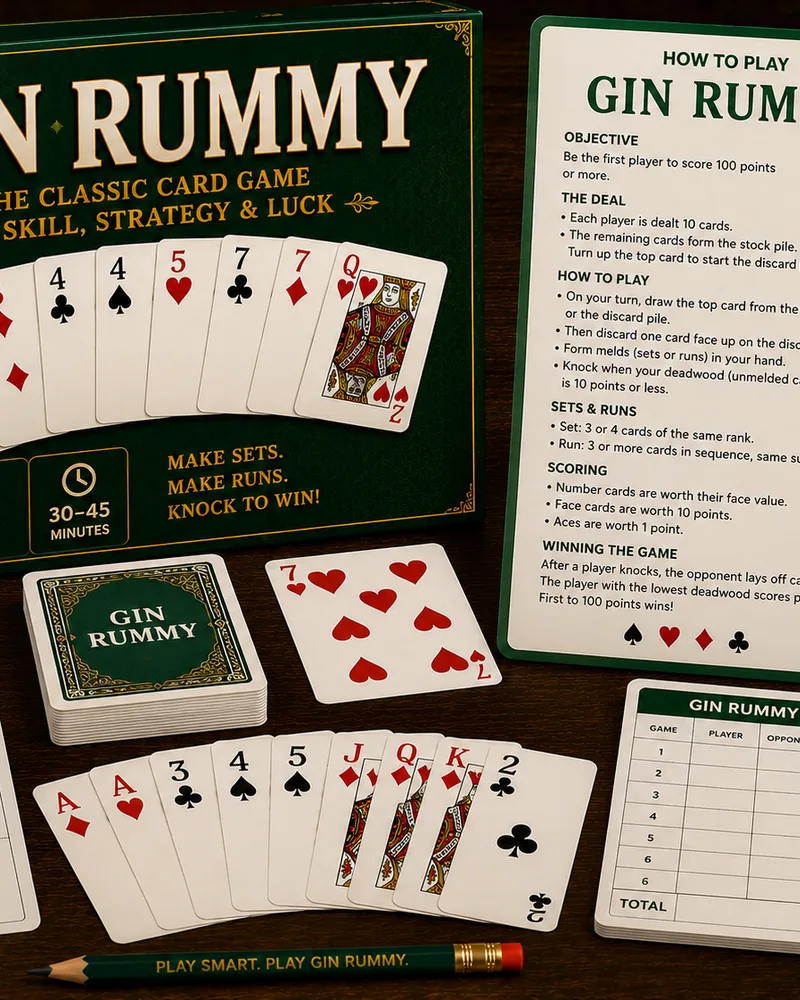 NEW
NEWGin Rummy
Card158.0K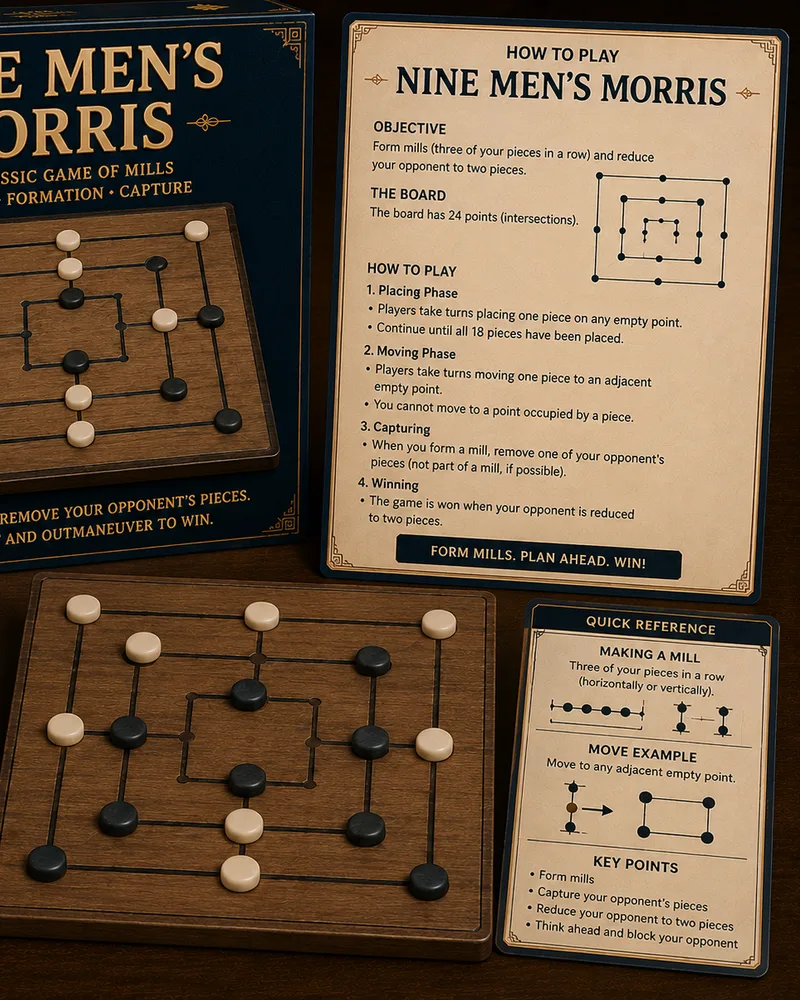 NEW
NEWNine Men's Morris
Strategy124.0K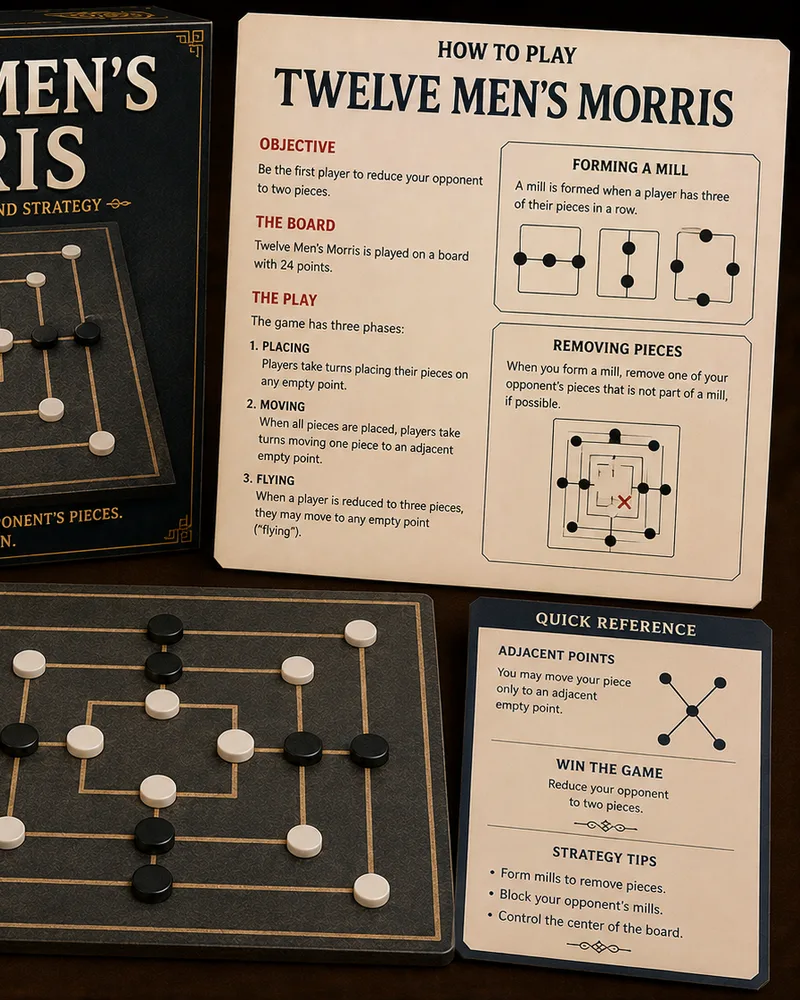 NEW
NEWTwelve Men's Morris
Strategy72.0K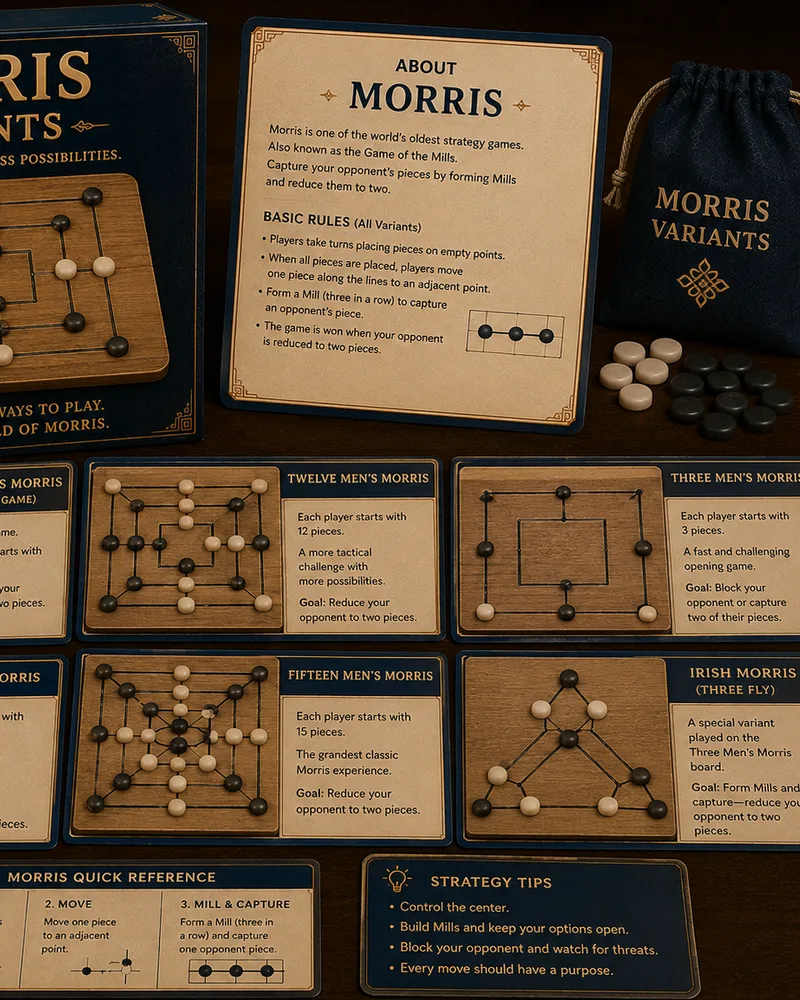 NEW
NEWMorris Variants
Strategy58.0K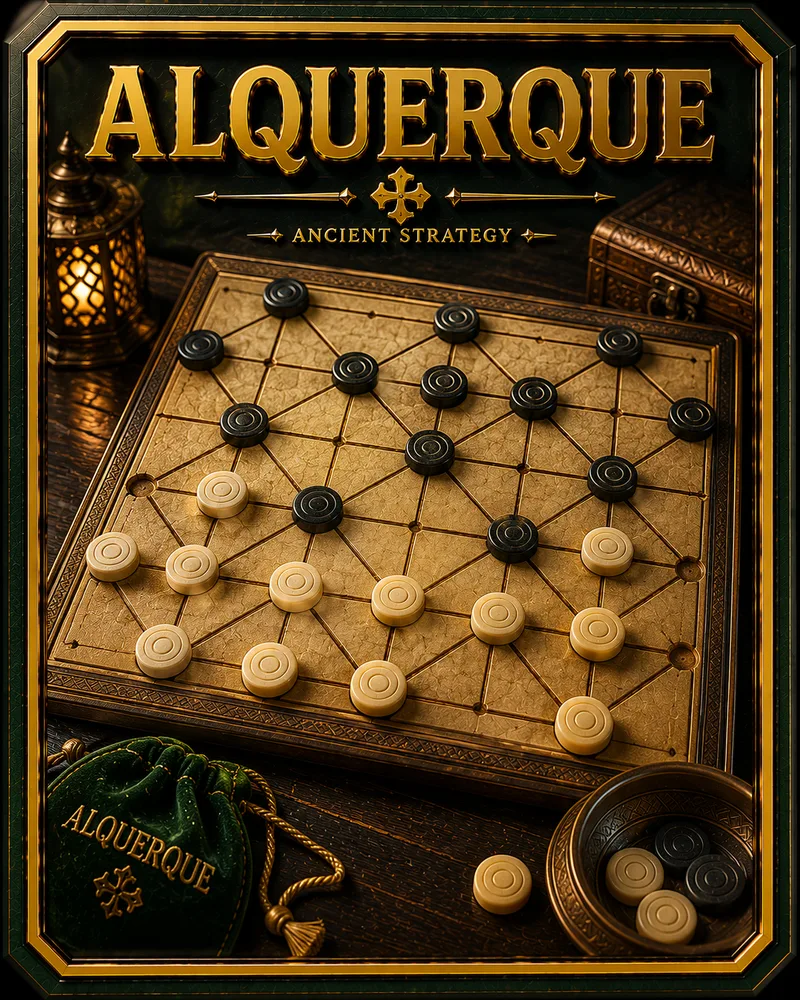 NEW
NEWAlquerque
Strategy76.0K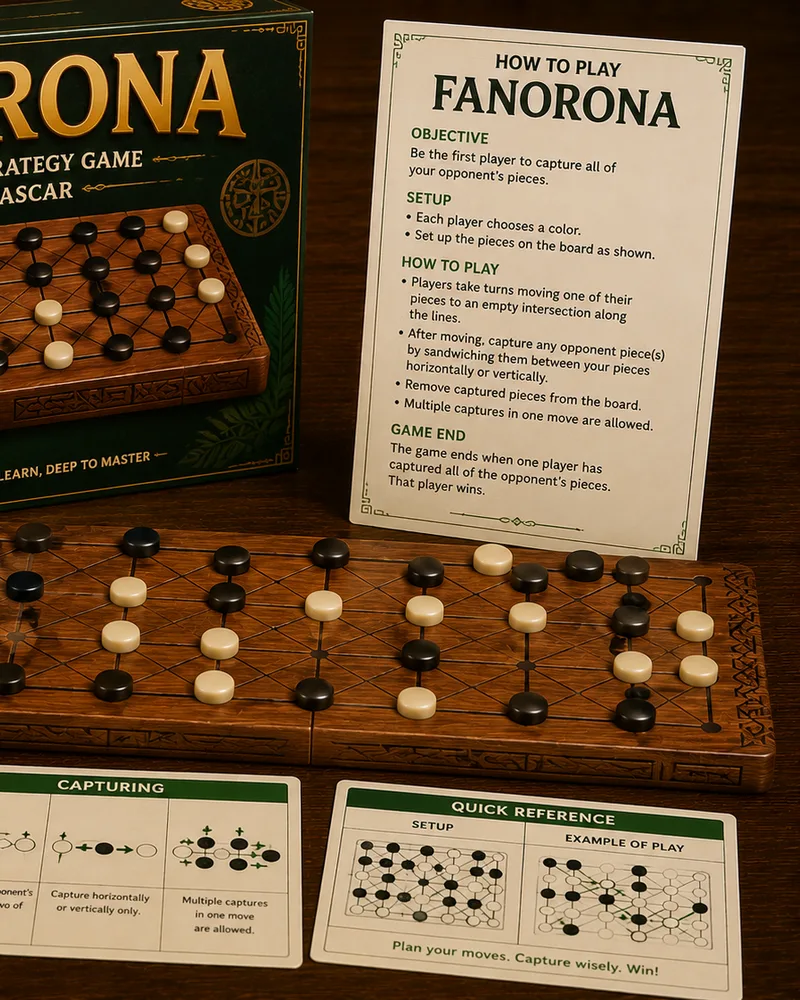 NEW
NEWFanorona
Strategy68.0K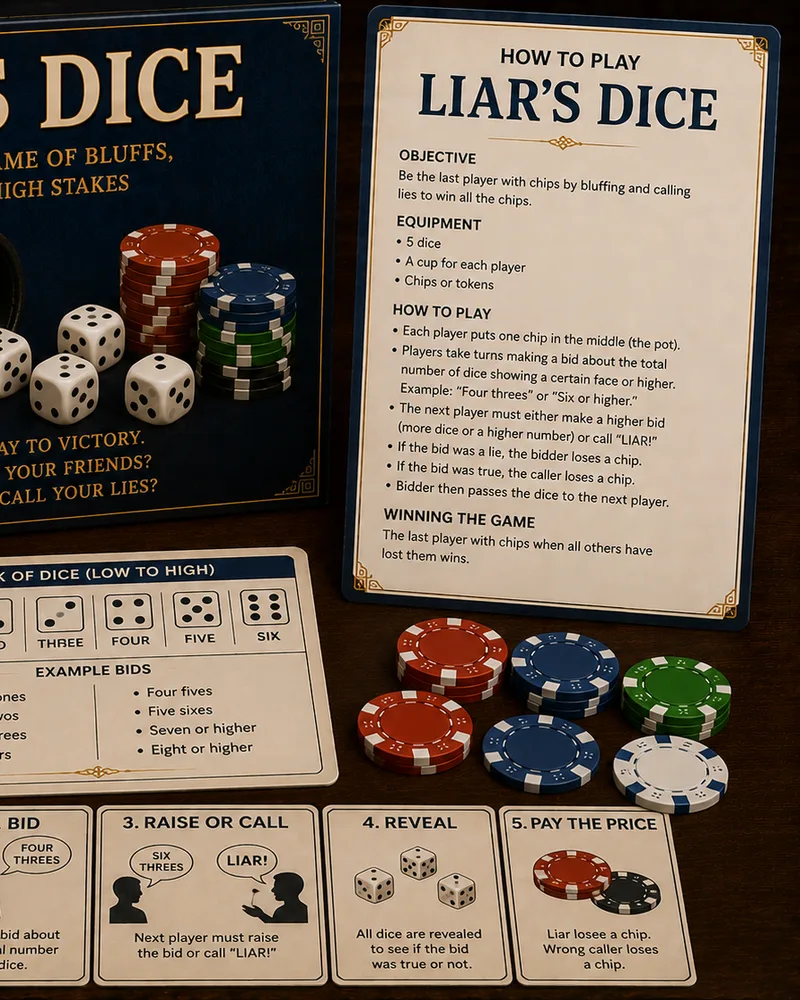 NEW
NEWLiar's Dice
Casual102.0K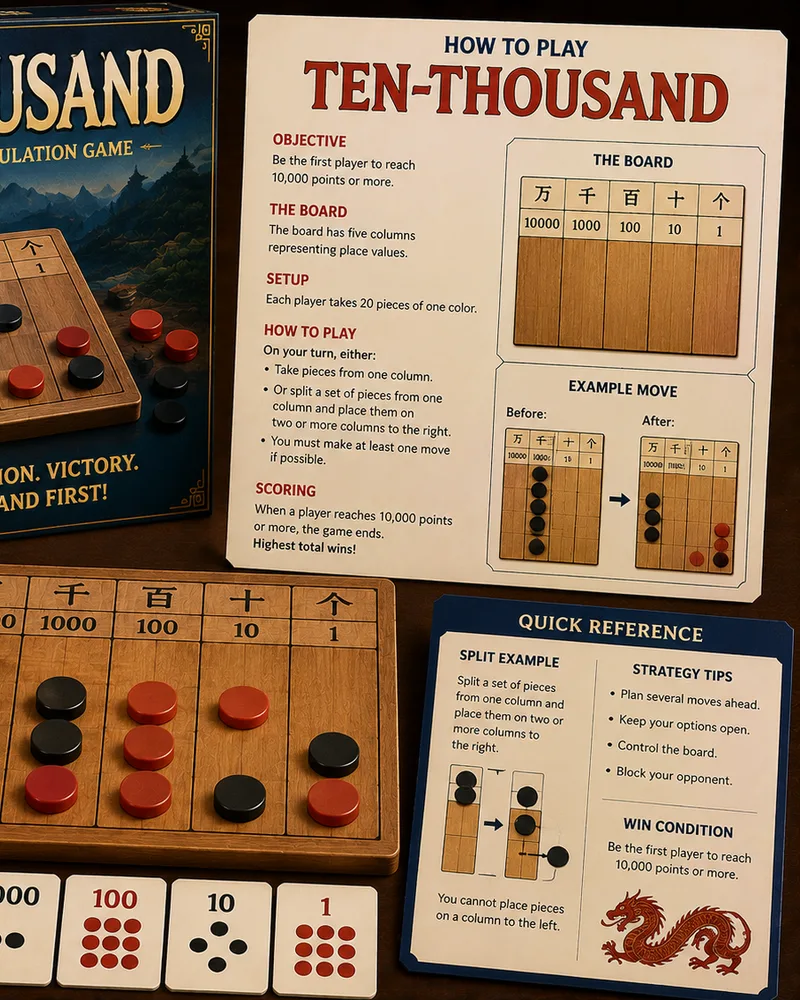 NEW
NEWTen Thousand
Casual88.0K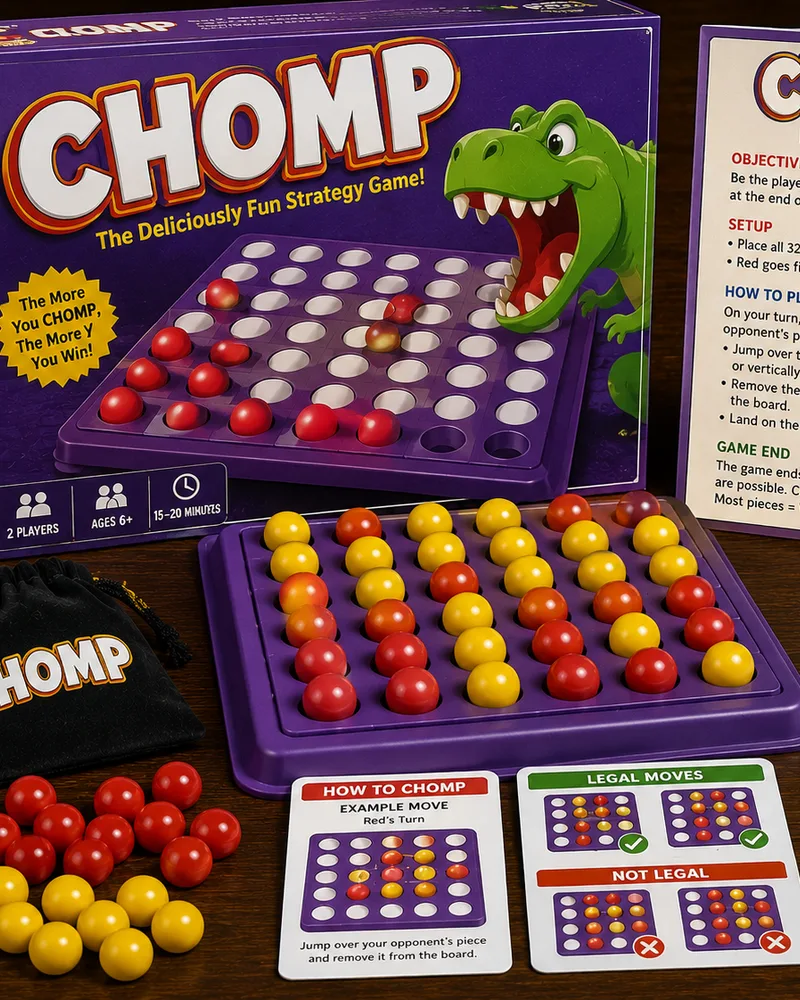 NEW
NEWChomp
Strategy64.0K NEW
NEWBackgammon
Board162.0K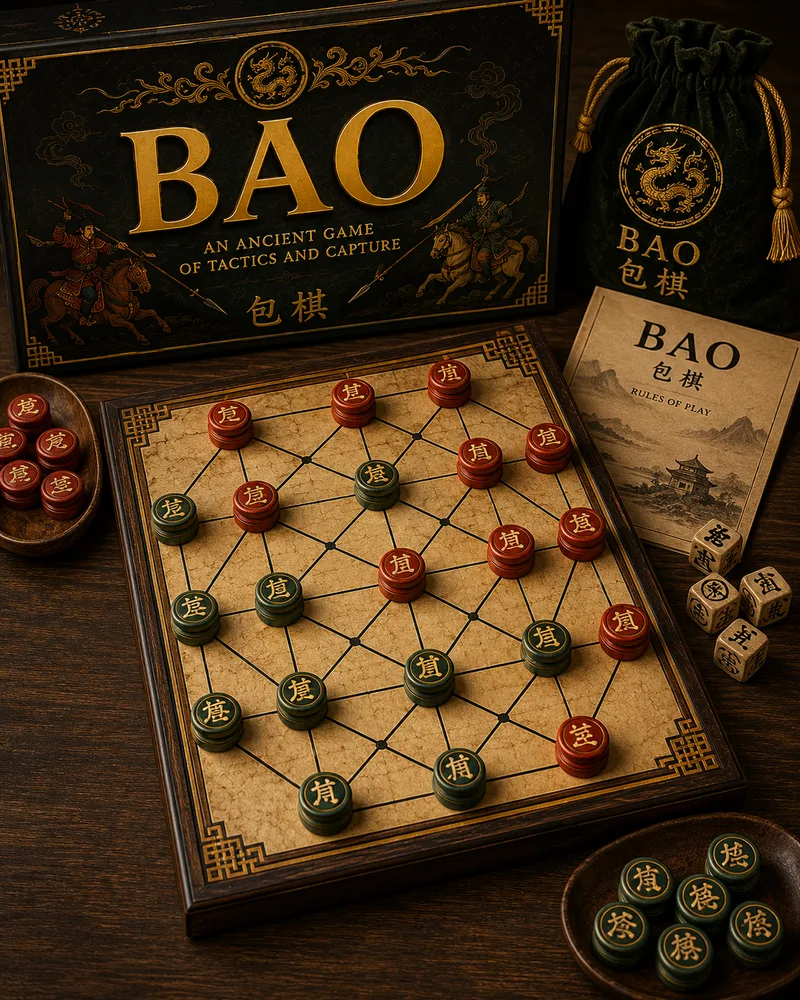 NEW
NEWBao
Board64.0K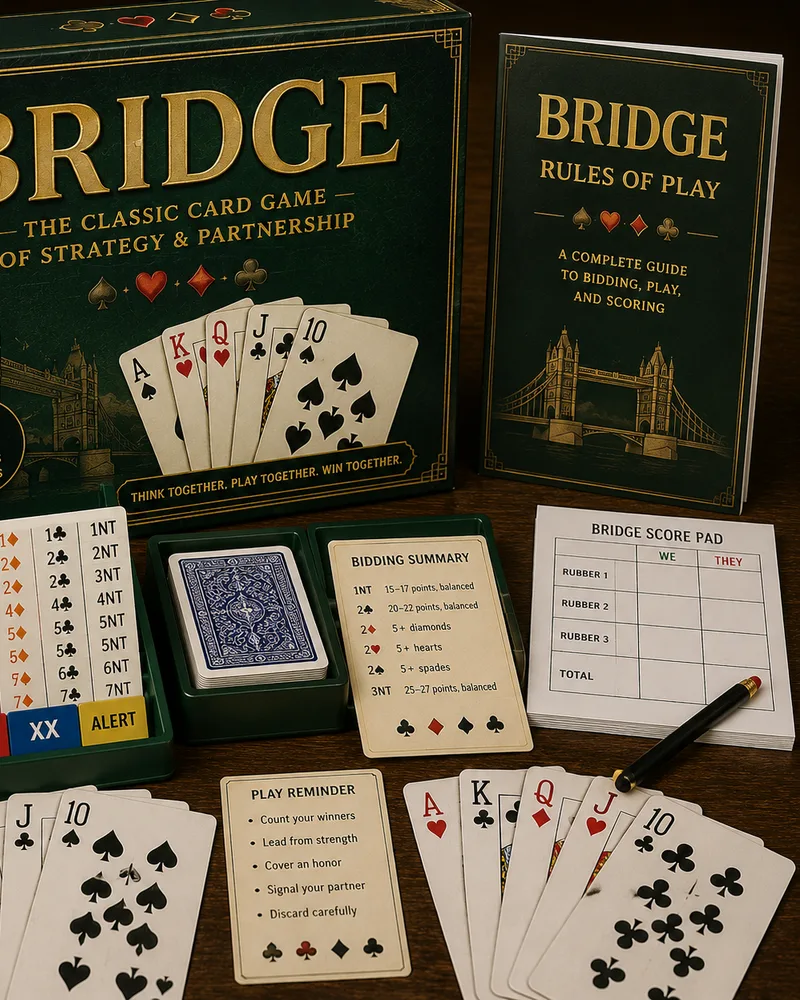 NEW
NEWBridge
Card132.0K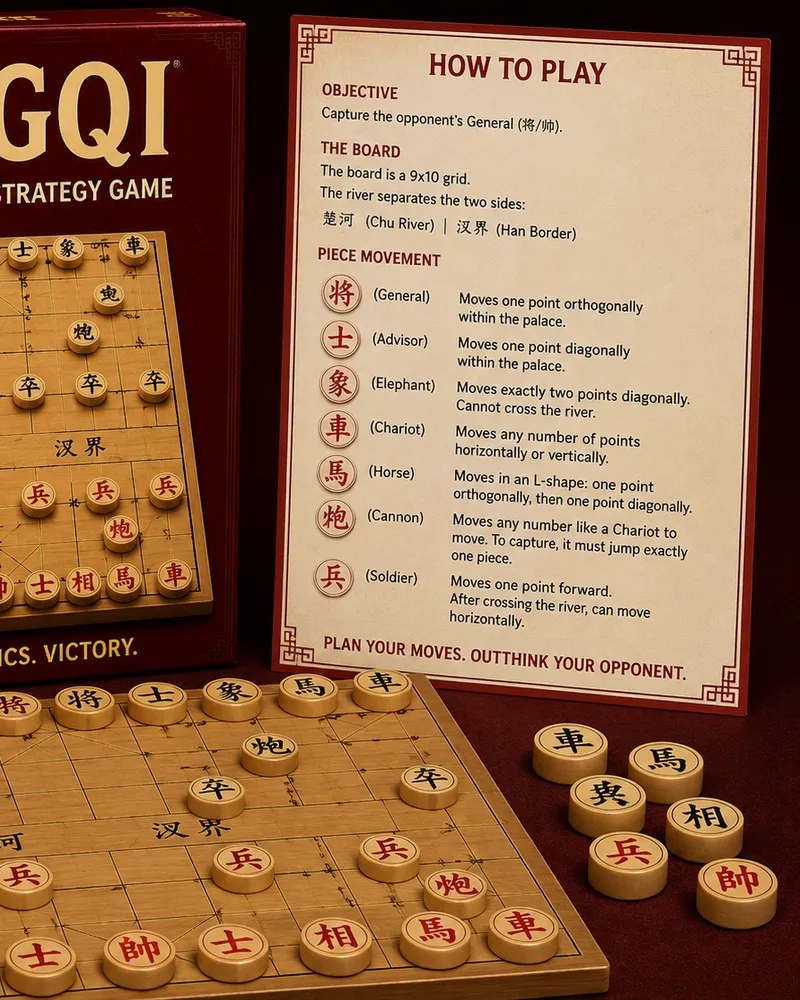 NEW
NEWXiangqi
Strategy210.0K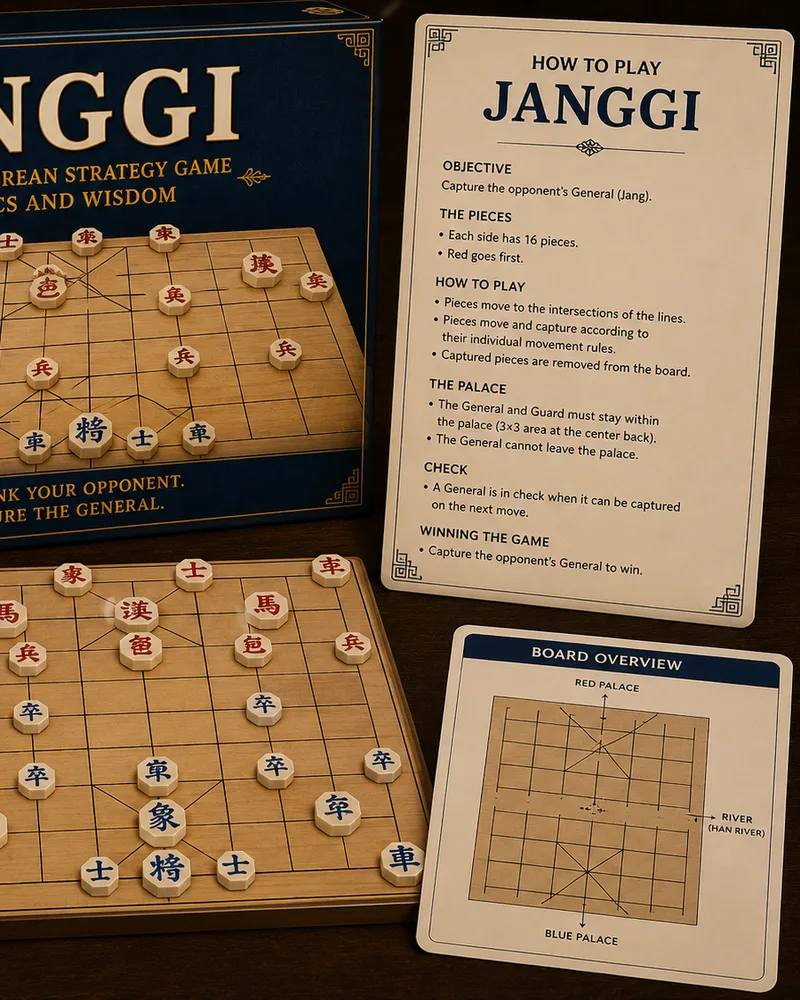 NEW
NEWJanggi
Strategy118.0K NEW
NEWMakruk
Strategy92.0K NEW
NEWShogi
Strategy156.0K
Popular right now 🔥
All →
Klondike Solitaire
Sudoku
2048
Chess
Ludo
Snake
Block Puzzle
Minesweeper
Checkers
Spider Solitaire
Mahjong Solitaire
Snakes & Ladders
Word Search
Connect Four
Brick Breaker
Tic-Tac-Toe
Bubble Shooter