Backgammon
About Backgammon
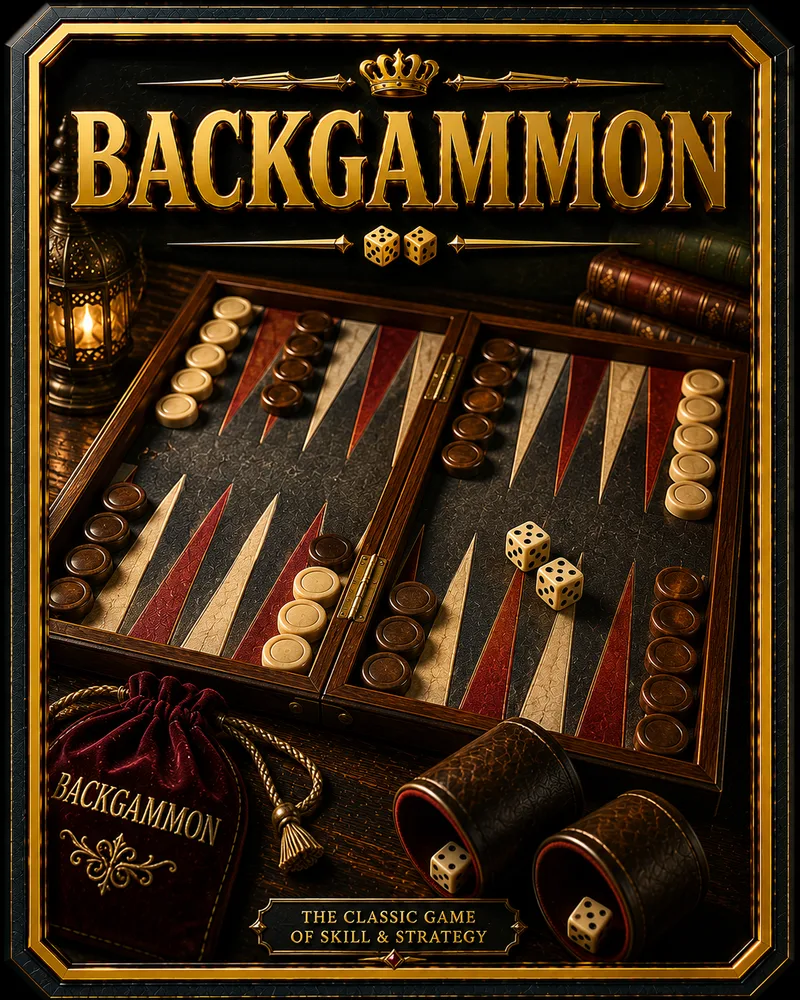
Backgammon is a two-player race game, around five thousand years old and still one of the sharpest board games ever devised. You each move fifteen checkers around the board toward your home, guided by the roll of two dice, and race to bear all your checkers off before your opponent.
The dice supply the luck, but the decisions supply the skill, and managing that mix is the whole art. You hit your opponent's lone checkers to send them back, build walls called primes to block them, and weigh risk on every roll like managing a portfolio. It's a race where a bold play or a cautious one can each be right depending on the position.
You can play Backgammon free in your browser against the computer with no download. The movement is easy to learn, but the strategy of hitting, blocking, and racing runs deep. The computer plays by pip counting and position and bears off without mercy, so it's a real test as you improve.
Controls
You play by rolling two dice and moving checkers. Tap to roll, then move checkers by the numbers shown, either splitting the two numbers between different checkers or using both on one.
Hitting and re-entering are central:
- Hitting a blot happens when you land on a point holding a single enemy checker, called a blot. That checker is sent to the bar and must re-enter the board before its owner can make any other move.
- Bearing off is how you finish: once all fifteen of your checkers are in your home board, you start removing them. The first player to bear off all their checkers wins.
A point held by two or more of your checkers is safe and blocks the opponent, and several in a row form a prime that's hard to pass.
Against the computer, the difficulty rises across eight levels as it counts pips and plays position more sharply.
Tips
- Avoid leaving blots in danger. A single checker on a point can be hit and sent back, so try not to leave blots where your opponent's likely rolls can reach them, especially near their checkers.
- Make points to build a prime. Holding a point with two or more checkers is safe, and several safe points in a row form a wall your opponent's checkers can't jump, which is one of the strongest positions in the game.
- Hit your opponent when it helps. Sending an enemy checker to the bar costs them time and can slow their race, so look for chances to hit, especially when you can do it safely.
- Count the pips to know the race. Adding up how far each side has to move tells you whether you're ahead or behind in the pure race, which guides whether to play a running game or a blocking one.
- Play safe when ahead, bold when behind. If you're winning the race, avoid risks and run for home, but if you're behind, holding back to hit your opponent gives you a better chance to catch up.
- Bring your back checkers forward carefully. The checkers deep in your opponent's home are the hardest to escape, so plan their advance so they don't get trapped behind a prime.
Frequently asked questions
Is Backgammon free to play?
Yes. You can play as much as you want with no download and no account.
How do you play Backgammon?
You roll two dice and move your fifteen checkers around the board toward your home, using the numbers rolled. You can hit lone enemy checkers to send them to the bar, and once all your checkers are home, you bear them off. First to bear off all wins.
What does it mean to hit a blot?
A blot is a point with just one checker on it. If you land on an opponent's blot, that checker goes to the bar and must re-enter the board before its owner can move anything else, costing them valuable time.
Is Backgammon luck or skill?
Both. The dice provide luck, but the choices, how you move, when to hit, and when to play safe, decide most games. A skilled player beats a beginner far more often than not, even with the dice involved.
Can I play Backgammon on my phone?
Yes. It runs in any modern mobile browser with tap controls, so it works well on phones and tablets.
How do I get better at Backgammon?
Avoid leaving blots where they can be hit, make points to build blocking primes, and hit your opponent when it's safe. Counting the pips tells you whether to race for home or hold back, which guides your whole strategy.
More like this
 HOT
HOTChess
Board1.2M NEW
NEWLudo
Board1.1M
Checkers
Board720.0K
Snakes & Ladders
Board612.0K
Tic-Tac-Toe
Board430.0K
Reversi
Board295.0K
Connect Four
Board510.0K
Dots & Boxes
Board180.0K NEW
NEWGomoku
Strategy156.0K NEW
NEWMancala
Board175.0K NEW
NEWKalah
Board88.0K NEW
NEWOware
Board96.0K NEW
NEWCongkak
Board70.0K NEW
NEWRenju
Strategy92.0K NEW
NEWDominoes
Board168.0K NEW
NEWBattleship Style
Strategy184.0K NEW
NEWPachisi
Board142.0K NEW
NEWParcheesi Style
Board116.0K NEW
NEWAggravation Style
Board84.0K NEW
NEWSorry Style
Board98.0K NEW
NEWChaupar
Board62.0K NEW
NEWGame of Goose
Board78.0K NEW
NEWRoyal Game of Ur
Board104.0K NEW
NEWSenet
Board88.0K NEW
NEWMehen
Board56.0K NEW
NEWMoksha Patam
Board110.0K NEW
NEWHnefatafl
Strategy96.0K NEW
NEWTablut
Strategy70.0K NEW
NEWBagh Chal
Strategy82.0K NEW
NEWFox & Geese
Strategy74.0K NEW
NEWNine Men's Morris
Strategy124.0K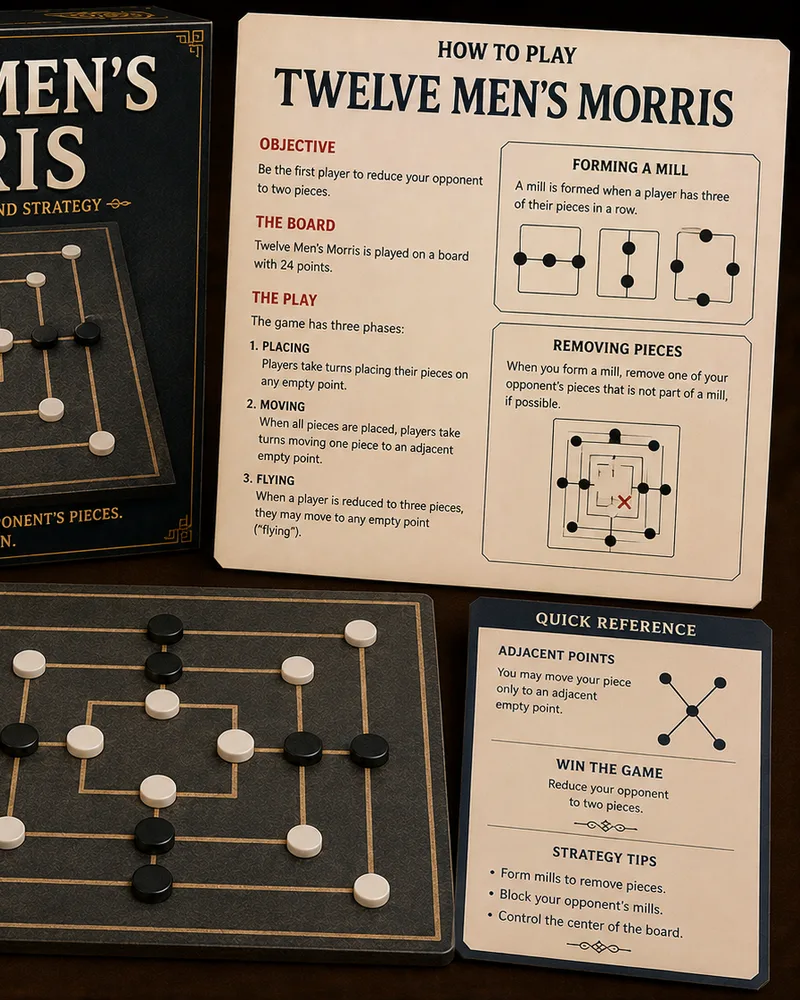 NEW
NEWTwelve Men's Morris
Strategy72.0K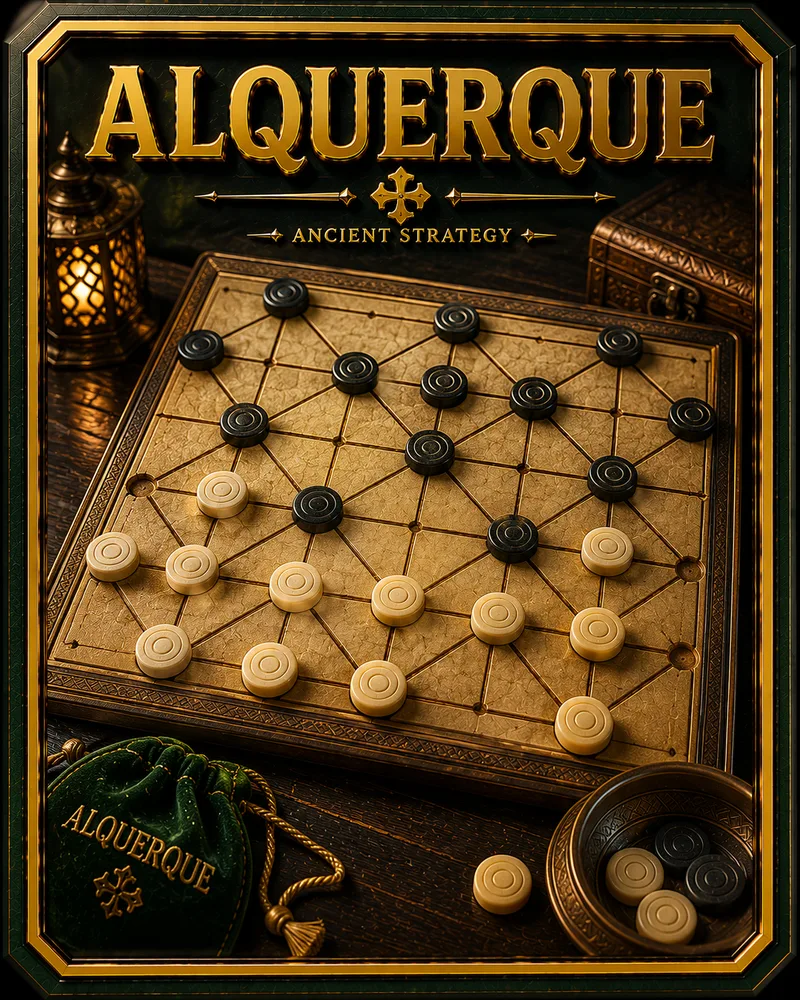 NEW
NEWAlquerque
Strategy76.0K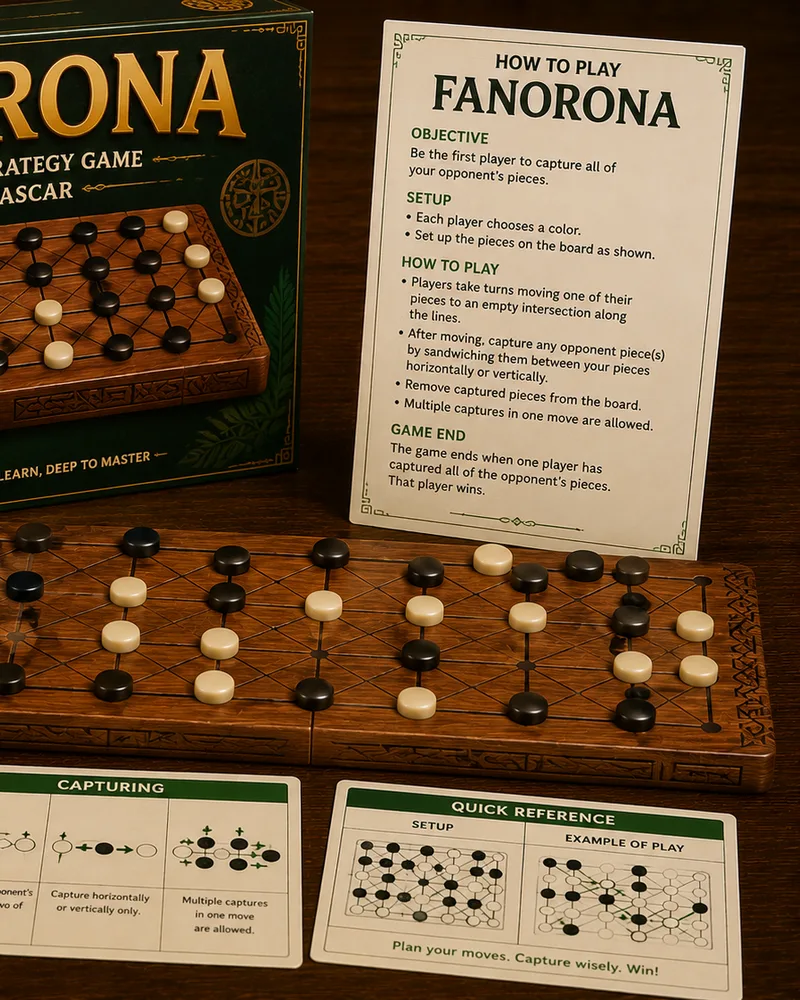 NEW
NEWFanorona
Strategy68.0K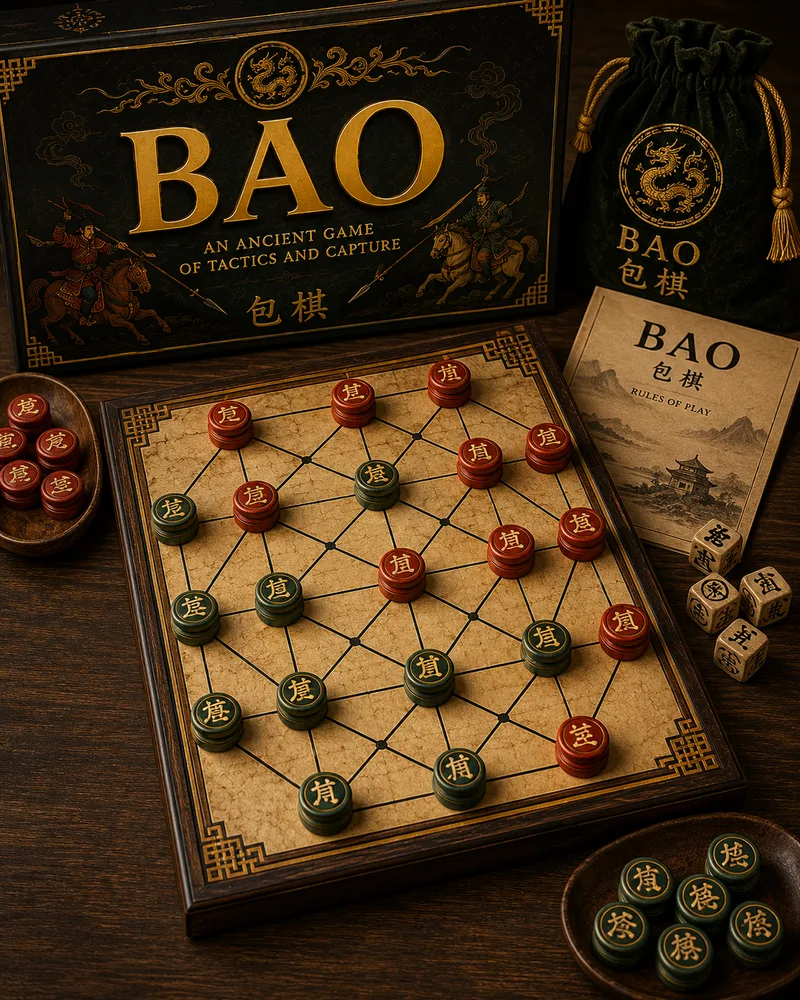 NEW
NEWBao
Board64.0K NEW
NEWCarrom
Arcade198.0K NEW
NEWXiangqi
Strategy210.0K NEW
NEWJanggi
Strategy118.0K NEW
NEWMakruk
Strategy92.0K NEW
NEWShogi
Strategy156.0K NEW
NEWGo
Strategy188.0K
Popular right now 🔥
All →
Klondike Solitaire
Sudoku
2048
Chess
Ludo
Snake
Block Puzzle
Minesweeper
Checkers
Spider Solitaire
Mahjong Solitaire
Snakes & Ladders
Word Search
Connect Four
Brick Breaker
Tic-Tac-Toe
Bubble Shooter