Checkers
About Checkers
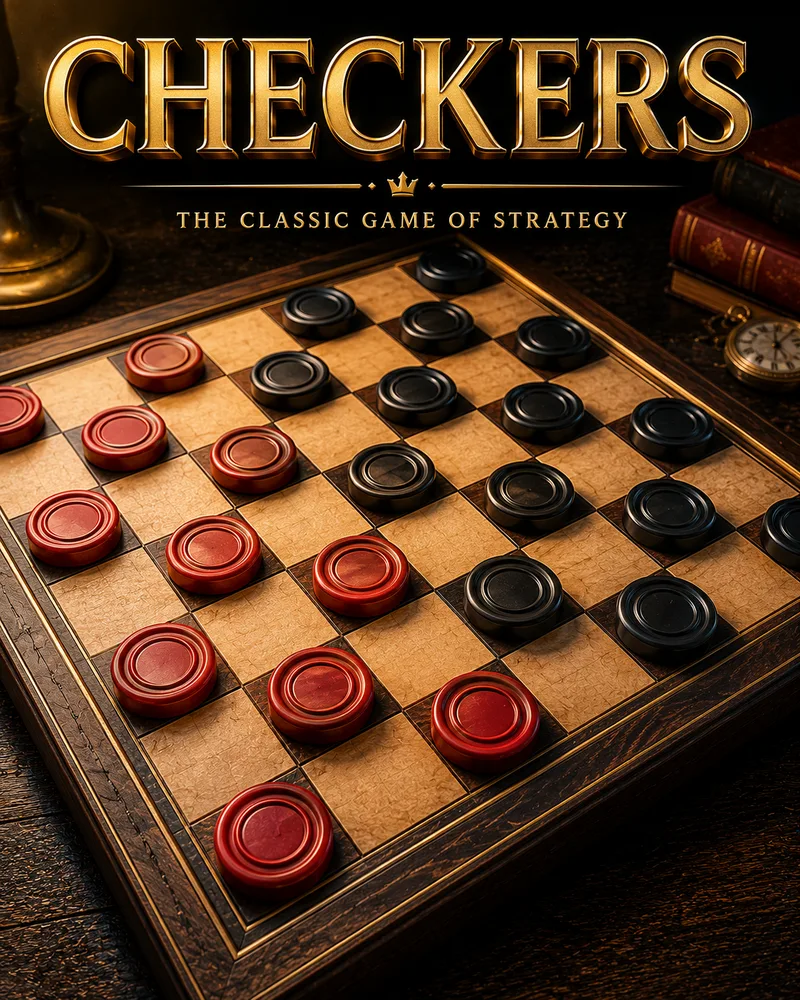
Checkers, known as draughts in much of the world, is a two-player game of diagonal moves and jumps played on the dark squares of an 8x8 board. Each side tries to capture all of the opponent's pieces, or leave them with no move to make. The rules are short, but the play runs deep.
It is one of the oldest board games still played today, with ancestors going back thousands of years, and for a long time it was seen as chess's more approachable cousin. What makes it stick is how quickly a quiet position turns sharp: a single forced jump can hand your opponent a chain of captures you did not see coming.
You can play checkers free in your browser against a computer with eight difficulty levels, or against a friend on the same screen. No download needed. Beginners can jump in immediately, since you will know how to move within a minute, and the tricky part, the planning, comes naturally with a few games.
Controls
You play by tapping. Tap one of your pieces and its legal moves light up, then tap where you want it to go. The game handles the rules for you, so it will show captures and stop you from making an illegal move.
A few rules cover everything you need:
- Regular pieces move one square diagonally forward onto an empty dark square.
- Captures happen by jumping straight over an adjacent enemy piece into the empty square beyond it. If another jump is available right after, you keep jumping in the same turn.
- Kings are made when a piece reaches the far row. A king can move and capture backward as well as forward, which makes it much stronger.
You win by capturing all of your opponent's pieces, or by leaving them with no legal move.
Against the computer, the difficulty climbs across eight levels, so the opponent starts forgiving and grows into a real test of your planning.
Tips
- Keep your back row intact early. The pieces on your home row block your opponent from crowning kings, so holding that line for a while denies them their strongest weapon.
- Control the center. Pieces in the middle of the board have more directions to move and attack, while pieces stuck on the edges have fewer options and are easier to trap.
- Look before you accept a free capture. An undefended piece is sometimes bait. Before you take it, check whether the jump lands you where a chain of return captures is waiting.
- Try to make kings before your opponent does. A king's ability to move backward changes the whole board, so the player who crowns first often takes control of the endgame.
- Trade pieces when you are ahead. If you have more pieces, swapping evenly makes your advantage bigger in proportion, steering the game toward a win you can convert.
- Watch for forced-jump traps. Because captures are usually mandatory, you can sometimes offer one piece to force your opponent into a jump that sets up a bigger capture for you.
Frequently asked questions
Is Checkers free to play?
Yes. You can play as much as you want with no download and no account.
Do I need to know the rules to start?
No. Tap a piece and the game highlights its legal moves, including captures, so you can learn as you go. Most people have the basics within a single game.
How do you win at Checkers?
You win by capturing all of your opponent's pieces, or by boxing them in so they have no legal move left. Both count as a win.
Can I play against the computer?
Yes. You can play the computer across eight difficulty levels, or play a friend on the same device in pass and play.
Can I play Checkers on my phone?
Yes. It runs in any modern mobile browser with simple tap controls, so it works well on phones and tablets.
What is the difference between checkers and draughts?
They are the same family of game. Draughts is the name used in much of the world, and some regional versions use bigger boards or slightly different capture rules, but the core idea of diagonal moves and jumps is shared.
More like this
 HOT
HOTChess
Board1.2M NEW
NEWLudo
Board1.1M
Snakes & Ladders
Board612.0K
Tic-Tac-Toe
Board430.0K
Reversi
Board295.0K
Connect Four
Board510.0K
Dots & Boxes
Board180.0K NEW
NEWGomoku
Strategy156.0K NEW
NEWMancala
Board175.0K NEW
NEWKalah
Board88.0K NEW
NEWOware
Board96.0K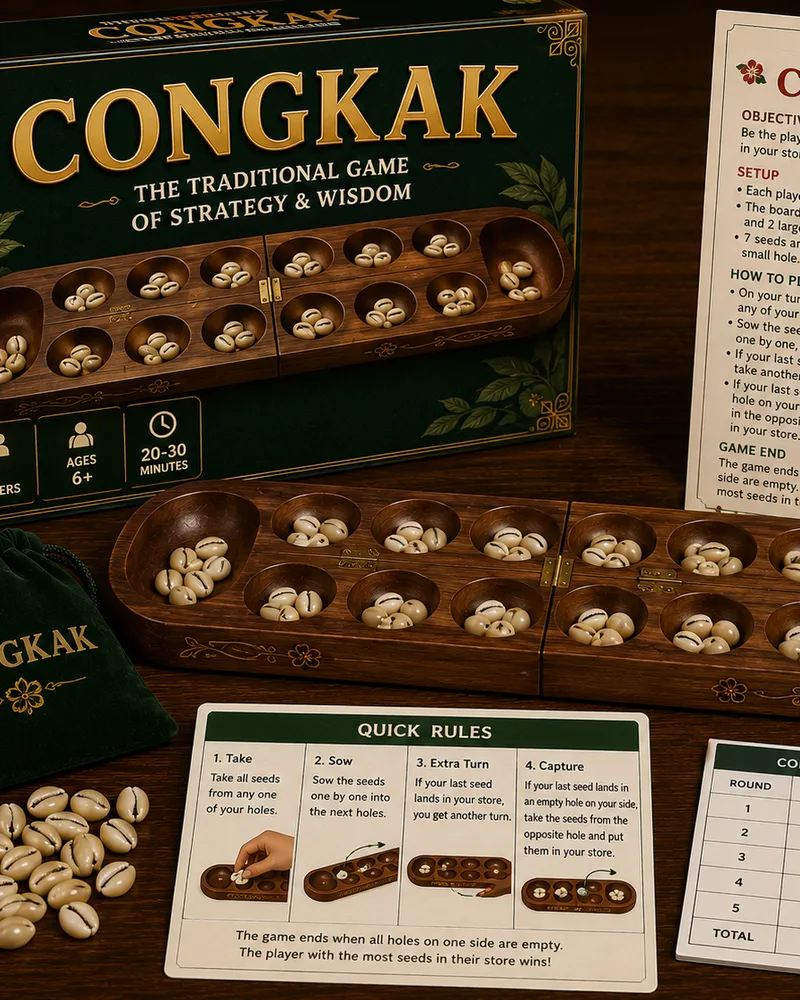 NEW
NEWCongkak
Board70.0K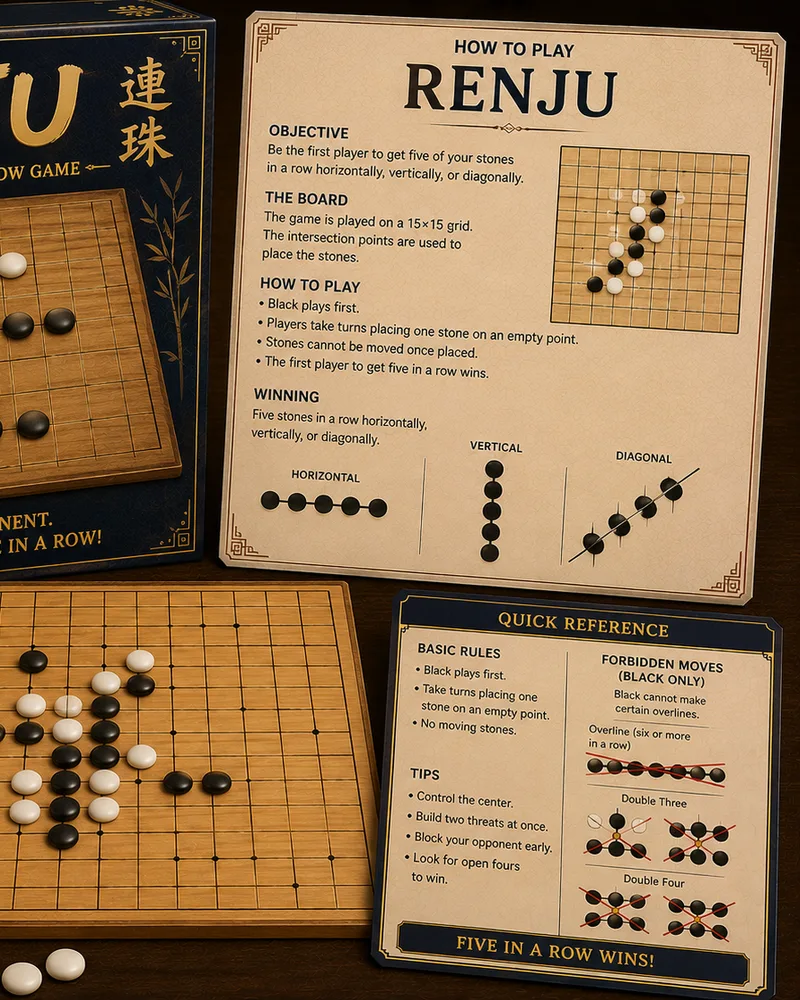 NEW
NEWRenju
Strategy92.0K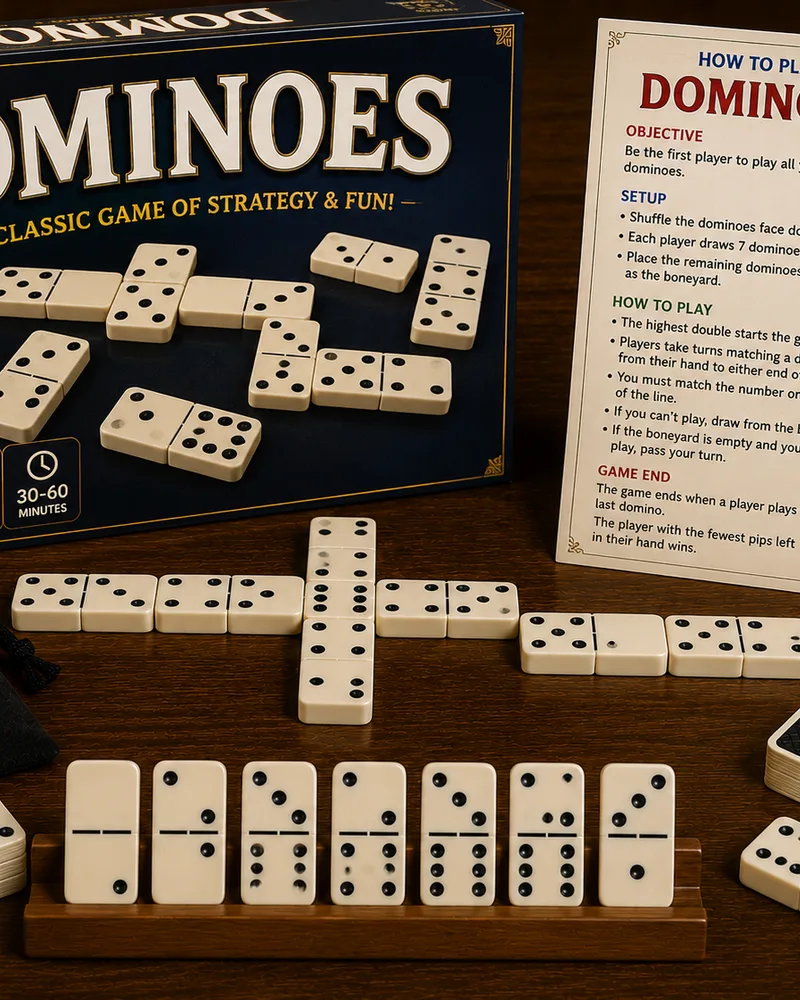 NEW
NEWDominoes
Board168.0K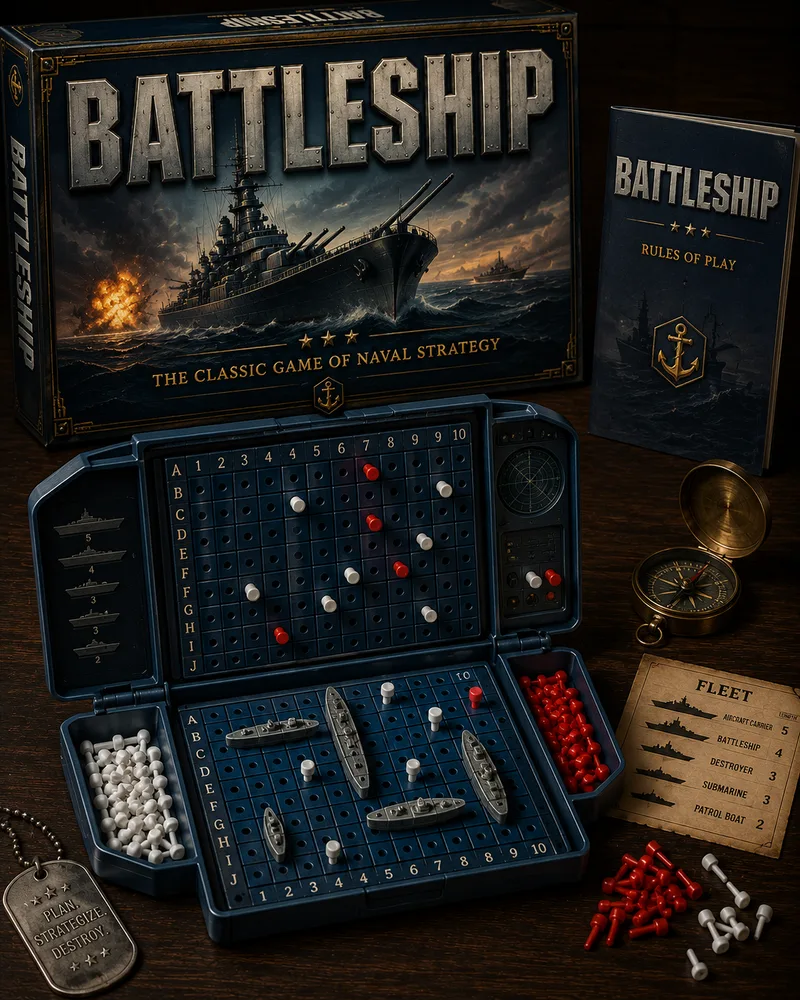 NEW
NEWBattleship Style
Strategy184.0K NEW
NEWPachisi
Board142.0K NEW
NEWParcheesi Style
Board116.0K NEW
NEWAggravation Style
Board84.0K NEW
NEWSorry Style
Board98.0K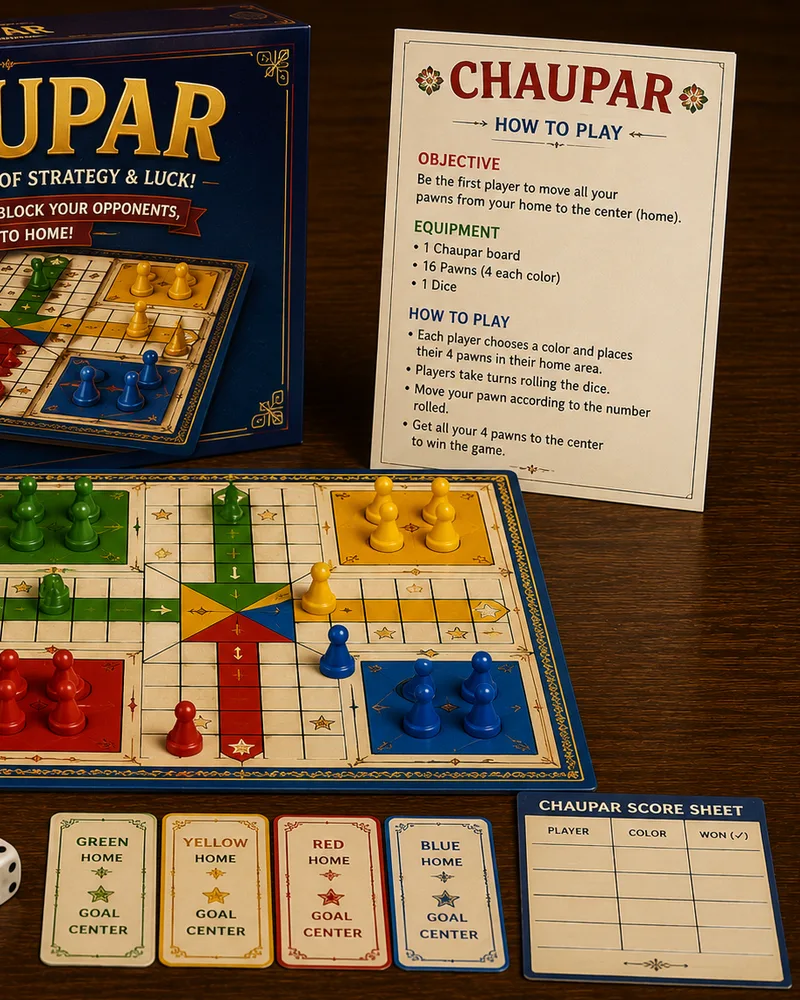 NEW
NEWChaupar
Board62.0K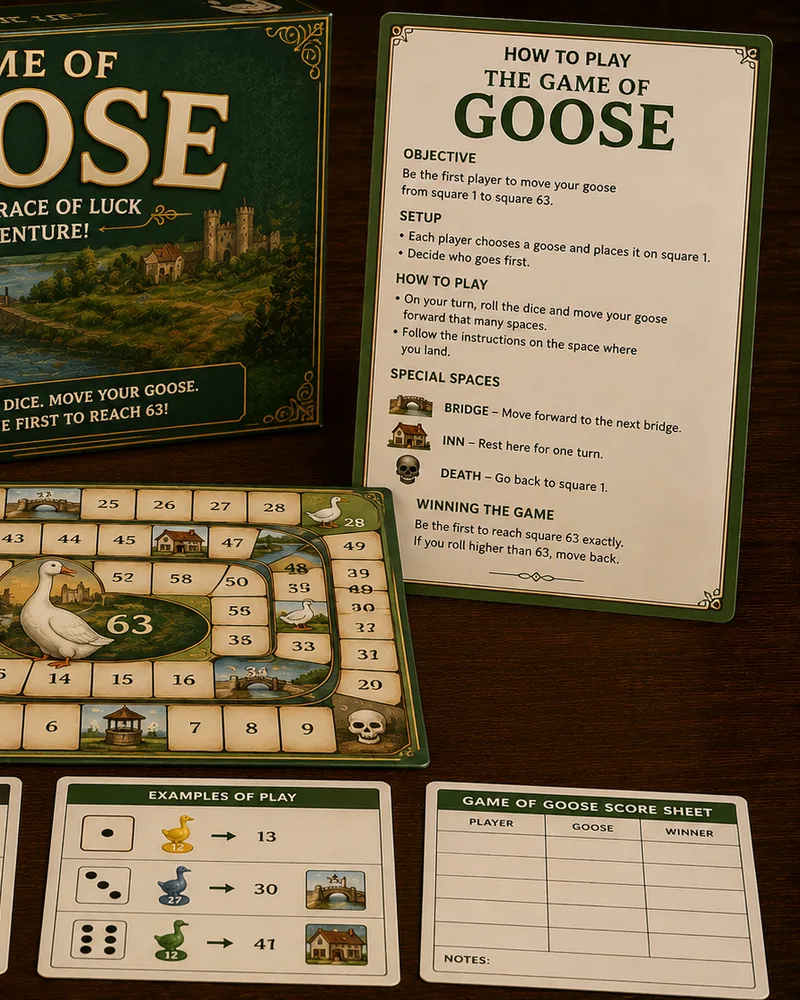 NEW
NEWGame of Goose
Board78.0K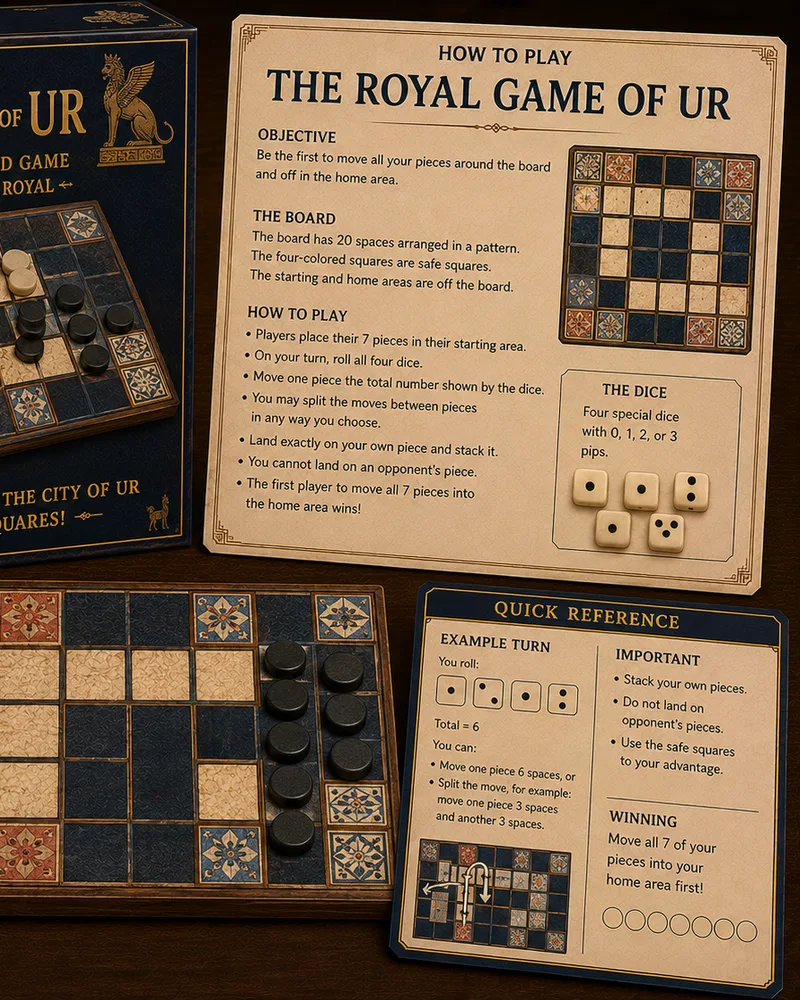 NEW
NEWRoyal Game of Ur
Board104.0K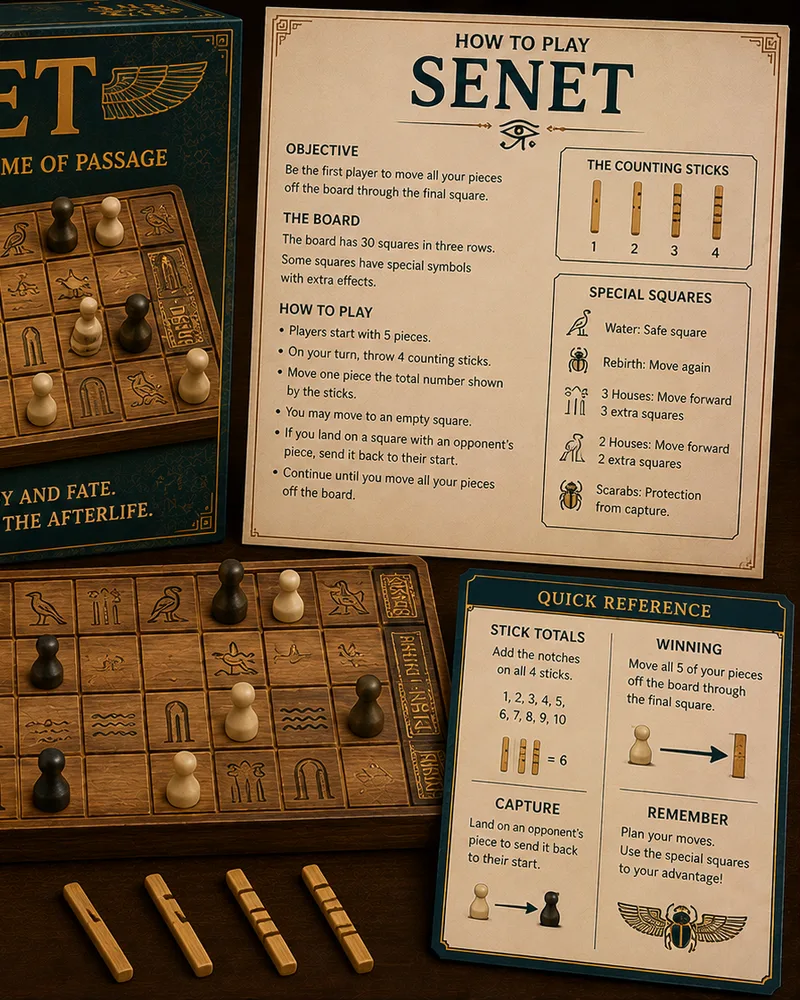 NEW
NEWSenet
Board88.0K NEW
NEWMehen
Board56.0K NEW
NEWMoksha Patam
Board110.0K NEW
NEWHnefatafl
Strategy96.0K NEW
NEWTablut
Strategy70.0K NEW
NEWBagh Chal
Strategy82.0K NEW
NEWFox & Geese
Strategy74.0K NEW
NEWNine Men's Morris
Strategy124.0K NEW
NEWTwelve Men's Morris
Strategy72.0K NEW
NEWAlquerque
Strategy76.0K NEW
NEWFanorona
Strategy68.0K NEW
NEWBackgammon
Board162.0K NEW
NEWBao
Board64.0K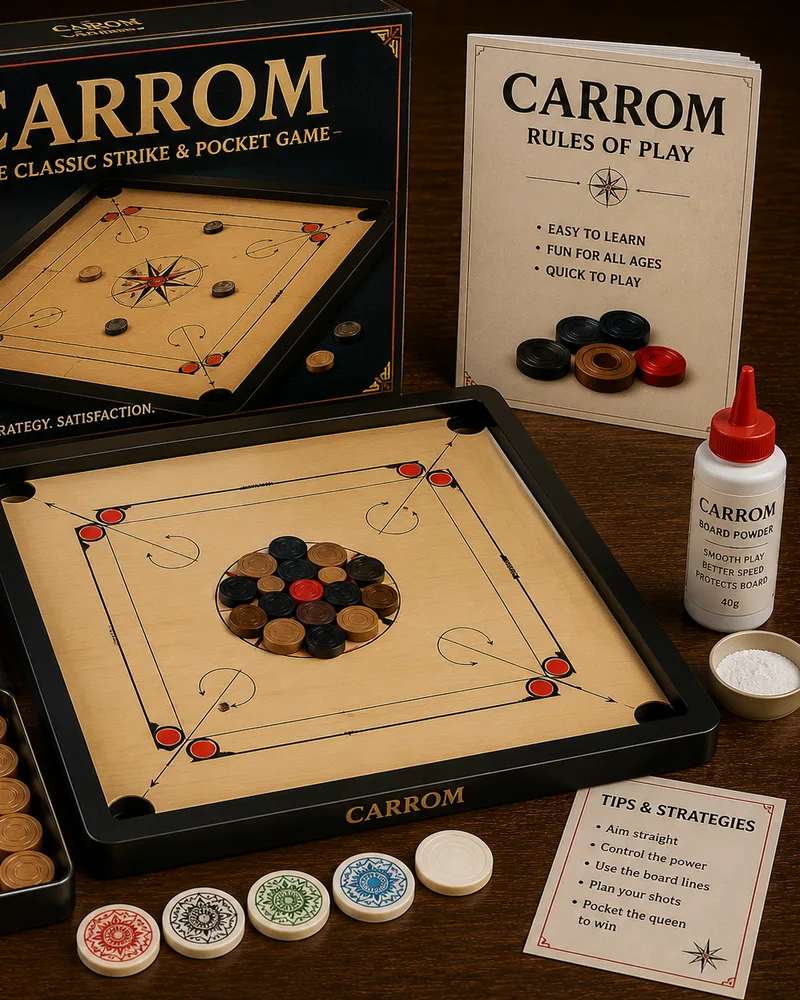 NEW
NEWCarrom
Arcade198.0K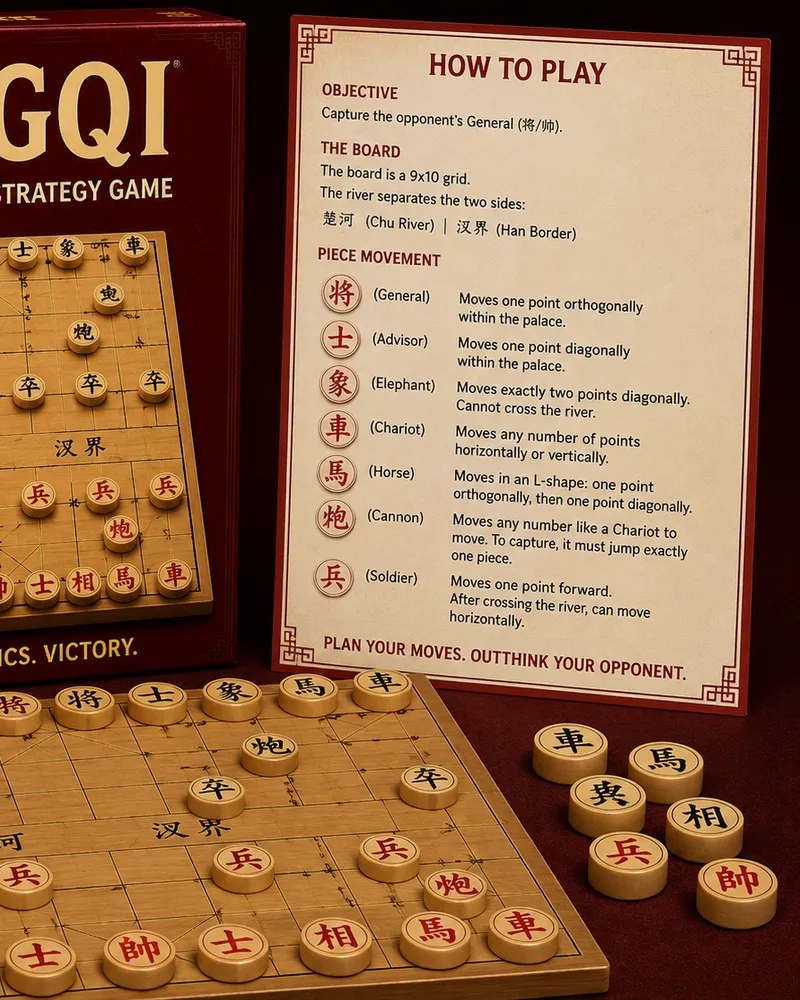 NEW
NEWXiangqi
Strategy210.0K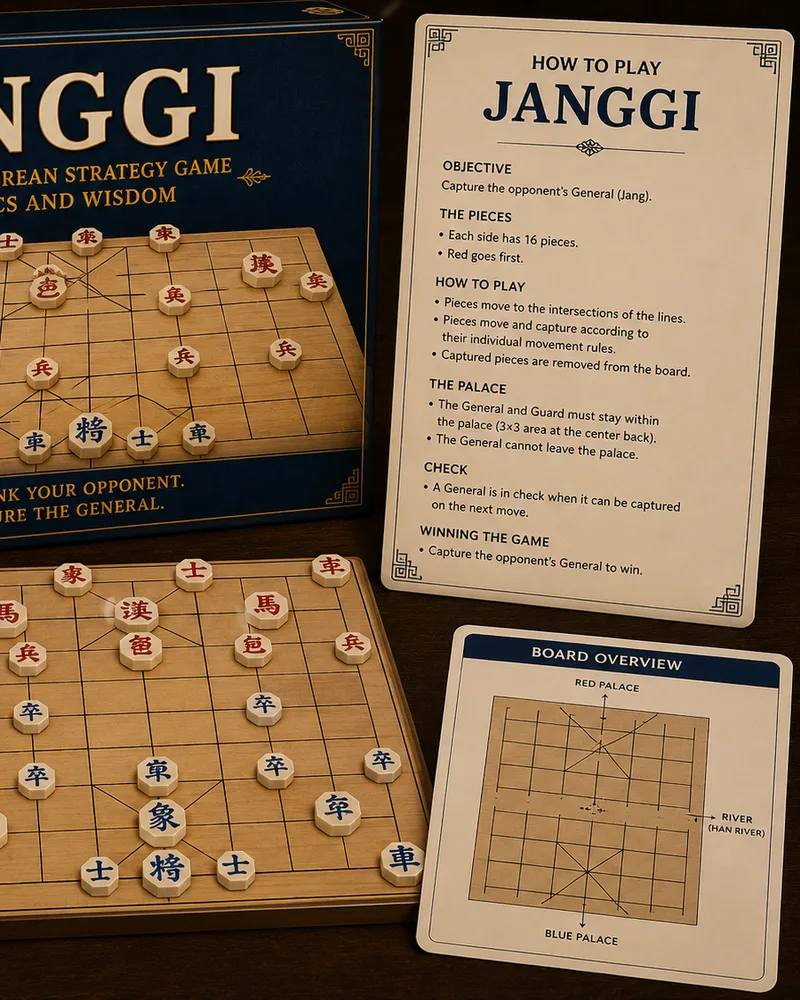 NEW
NEWJanggi
Strategy118.0K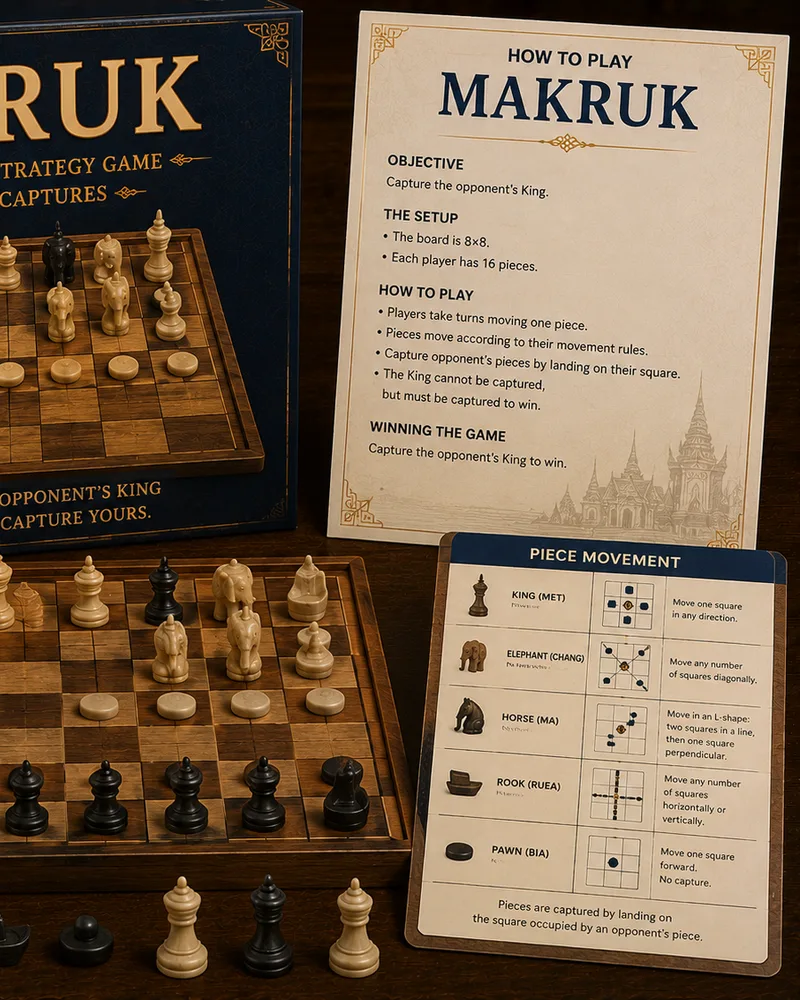 NEW
NEWMakruk
Strategy92.0K NEW
NEWShogi
Strategy156.0K NEW
NEWGo
Strategy188.0K
Popular right now 🔥
All →
Klondike Solitaire
Sudoku
2048
Chess
Ludo
Snake
Block Puzzle
Minesweeper
Spider Solitaire
Mahjong Solitaire
Snakes & Ladders
Word Search
Connect Four
Brick Breaker
Tic-Tac-Toe
Bubble Shooter
Match 3