Oware
About Oware
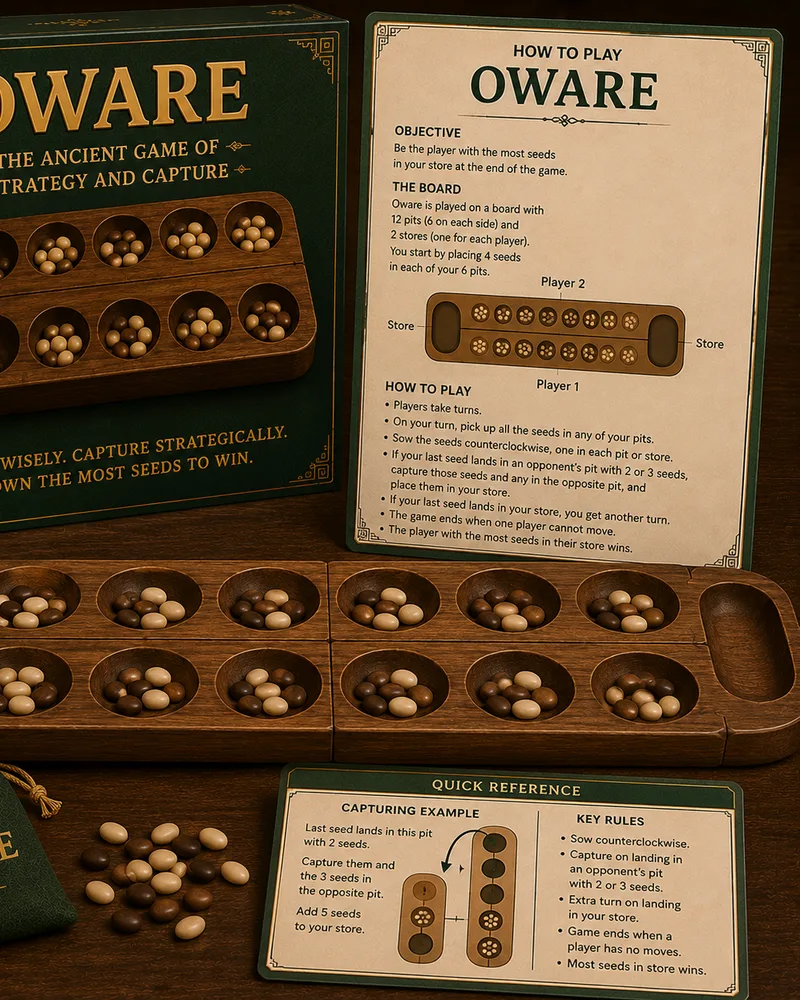
Oware is the West African version of mancala played by the Ashanti people, and it has the deepest tournament tradition of any game in the family. You sow seeds around the board, but its capturing rule gives it a distinct, aggressive character that sets it apart from gentler mancala games.
In Oware, captures depend on what your seeds do to your opponent's pits, so every move is really an attack calculation, aimed at leaving enemy pits at just the right count. There is also a rule of mercy that makes the game unusually humane: you are not allowed to starve your opponent by leaving them with no seeds to play.
You can play Oware free in your browser against the computer with no download. If you've played other mancala games, the sowing will feel familiar, but the capture rule takes a few turns to master. That depth is exactly why serious players have loved it for generations.
Controls
You play by choosing a pit to sow from. Tap one of your pits, and its seeds are sown one at a time counterclockwise into the pits ahead.
Oware's capturing is its defining feature:
- Capturing happens when your last seed lands in an enemy pit and brings its total to exactly two or three. You take those seeds, plus any unbroken chain of twos and threes in the enemy pits just before it.
- The mercy rule requires you to leave your opponent at least one seed to play if they would otherwise have none. You cannot make a move that starves them of all options.
The chain-capture rule means a single well-aimed move can scoop several enemy pits at once, which is where the big swings come from.
The first player to capture 25 seeds wins. The computer sharpens across eight levels as it plans deeper attacks.
Tips
- Aim to leave enemy pits at one or two seeds. Since you capture pits that reach exactly two or three, setting up enemy pits at one or two seeds means your next sowing can tip them into capture range.
- Look for chain captures. Capturing works backward through an unbroken run of twos and threes, so a single move can scoop several pits at once if you set the enemy row up correctly.
- Build up seeds on your right for a big sweep. A pit holding many seeds can sow all the way around and land deep in enemy territory, so loading one up can set up a powerful capturing run later.
- Use the mercy rule to your advantage. Because you can't starve your opponent, you can sometimes force them into positions where their only legal moves feed your future captures.
- Defend your threatened pits. Watch which of your pits sit at one or two seeds, since those are exactly the ones your opponent wants to capture, and emptying them removes the target.
- Think in terms of attack. Unlike some mancala games where you build your own store, Oware is about damaging enemy pits, so read every move as an attack and count where your seeds land in their territory.
Frequently asked questions
Is Oware free to play?
Yes. You can play as much as you want with no download and no account.
How do you play Oware?
You sow seeds counterclockwise from your pits. If your last seed brings an enemy pit to exactly two or three seeds, you capture them, along with any unbroken chain of twos and threes behind it. You must always leave your opponent a legal move.
How do you win at Oware?
You win by capturing 25 seeds, which is more than half of the total on the board. Setting up chain captures in your opponent's pits is the fastest way to get there.
What is the mercy rule?
If your opponent has no seeds and would be unable to move, you must make a move that gives them at least one seed to play. This 'you may not starve your opponent' rule is a distinctive part of Oware.
Can I play Oware on my phone?
Yes. It runs in any modern mobile browser with tap controls, so it works well on phones and tablets.
How do I get better at Oware?
Focus on leaving enemy pits at one or two seeds so you can capture them, look for chain captures across a run of pits, and build up a big pit for a sweeping move. Oware is an attacking game, so read every move as a strike on your opponent's row.
More like this
 HOT
HOTChess
Board1.2M NEW
NEWLudo
Board1.1M
Checkers
Board720.0K
Snakes & Ladders
Board612.0K
Tic-Tac-Toe
Board430.0K
Reversi
Board295.0K
Connect Four
Board510.0K
Dots & Boxes
Board180.0K NEW
NEWGomoku
Strategy156.0K NEW
NEWMancala
Board175.0K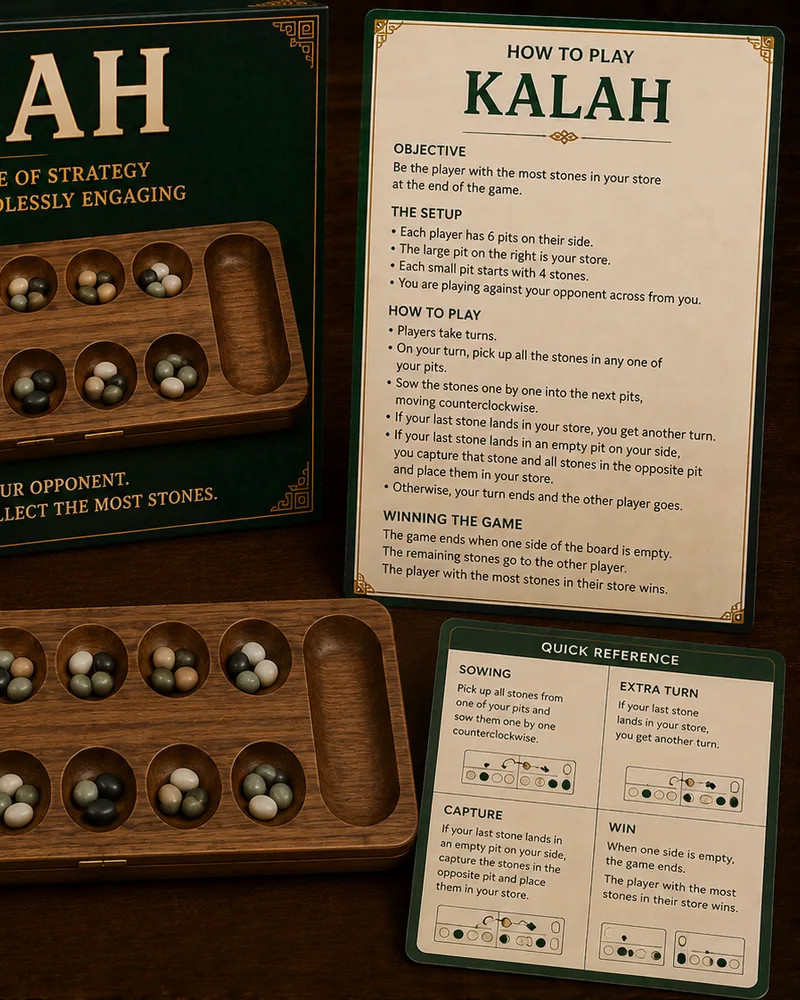 NEW
NEWKalah
Board88.0K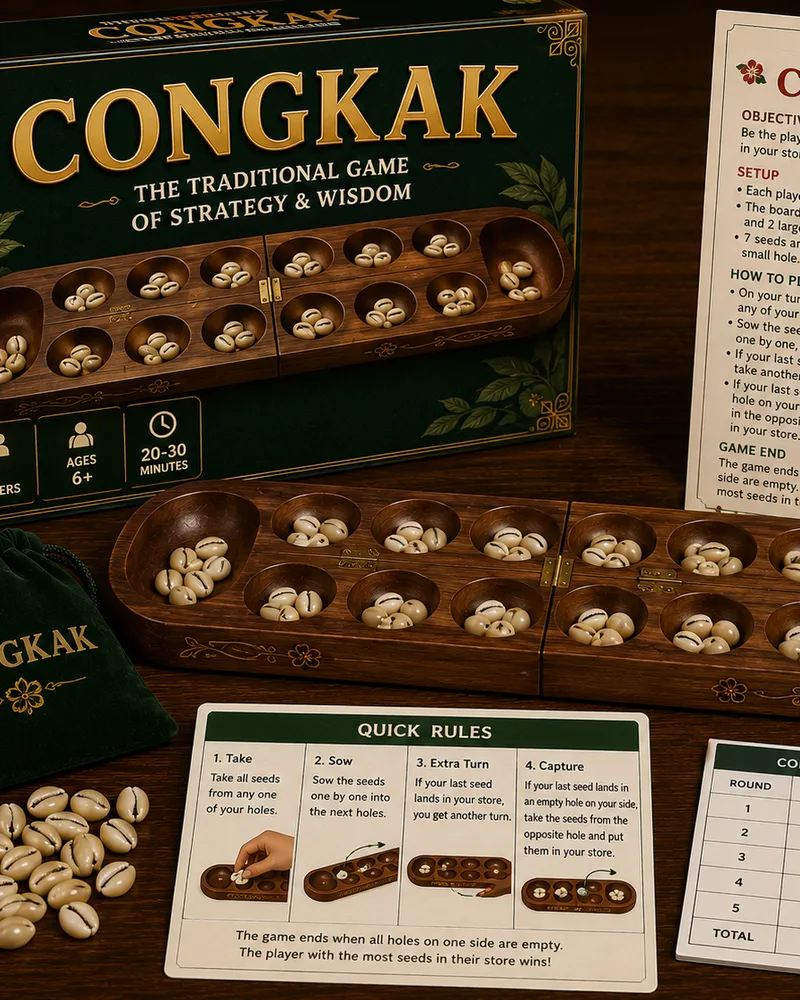 NEW
NEWCongkak
Board70.0K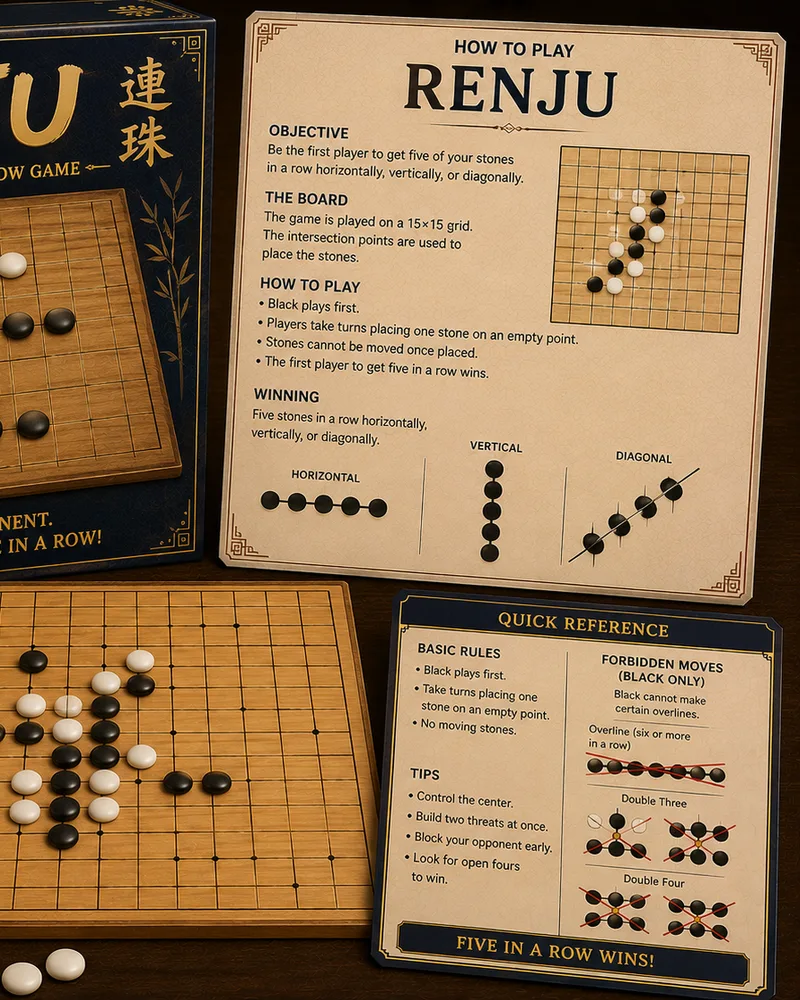 NEW
NEWRenju
Strategy92.0K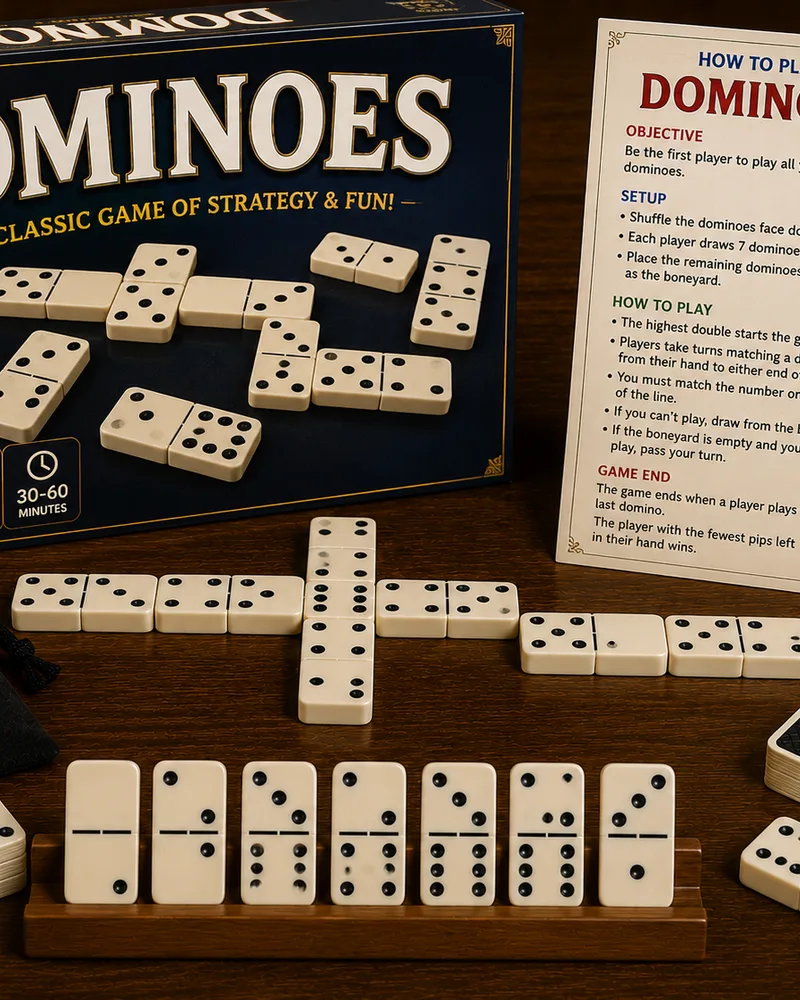 NEW
NEWDominoes
Board168.0K NEW
NEWBattleship Style
Strategy184.0K NEW
NEWPachisi
Board142.0K NEW
NEWParcheesi Style
Board116.0K NEW
NEWAggravation Style
Board84.0K NEW
NEWSorry Style
Board98.0K NEW
NEWChaupar
Board62.0K NEW
NEWGame of Goose
Board78.0K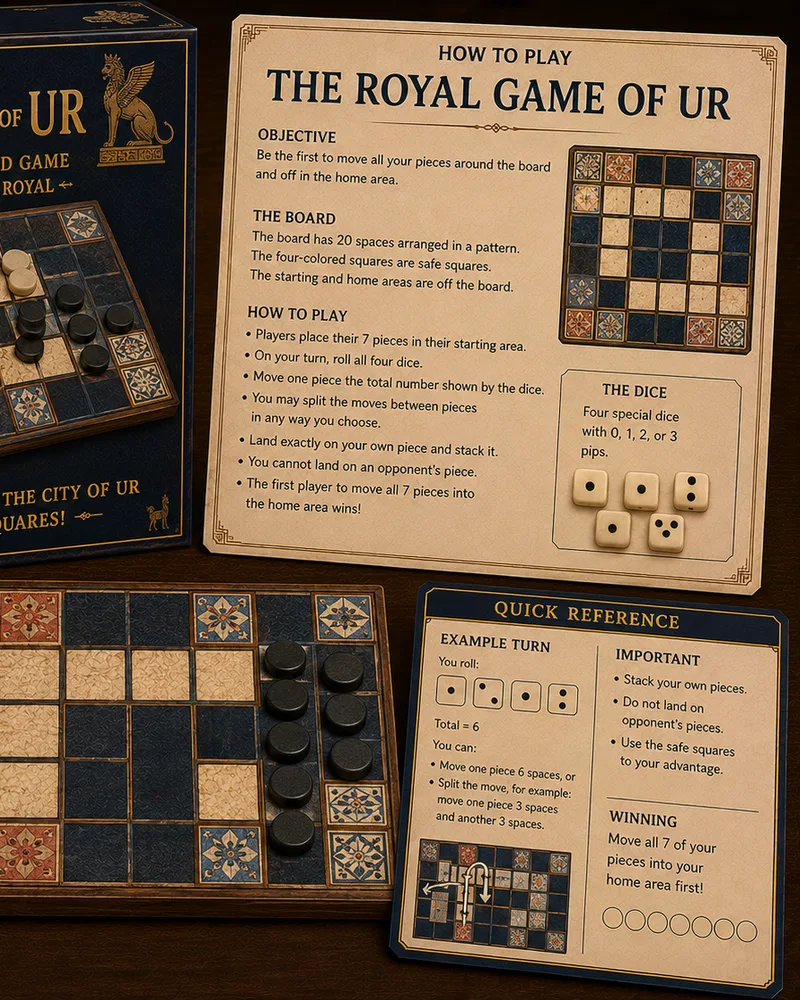 NEW
NEWRoyal Game of Ur
Board104.0K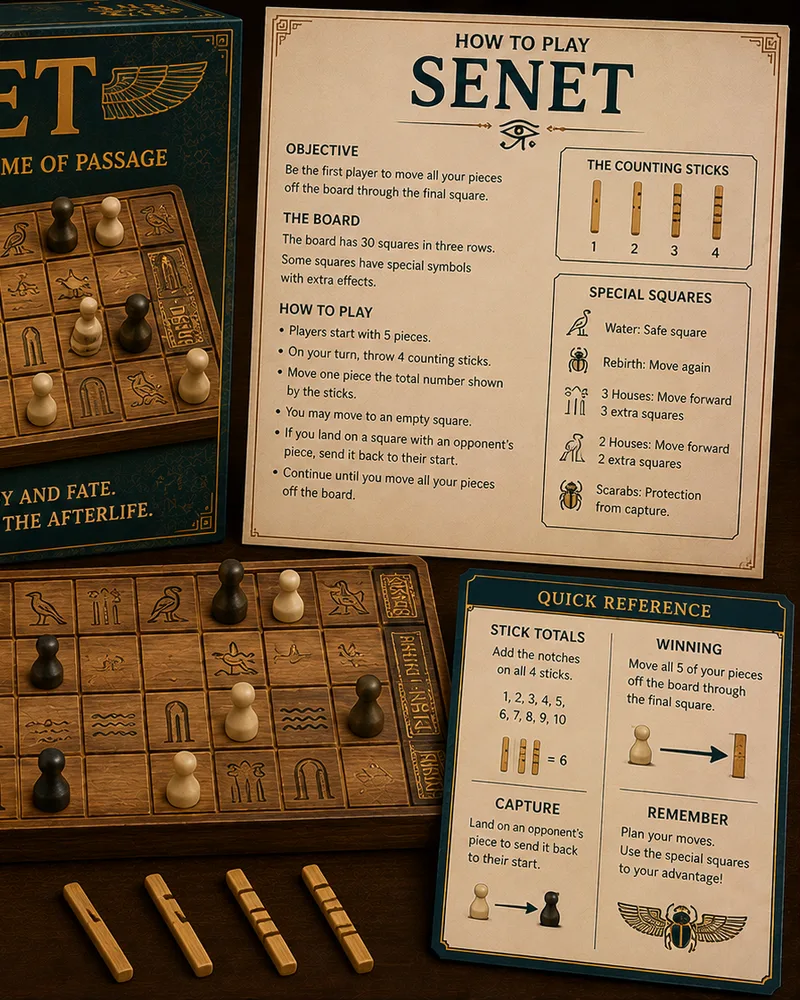 NEW
NEWSenet
Board88.0K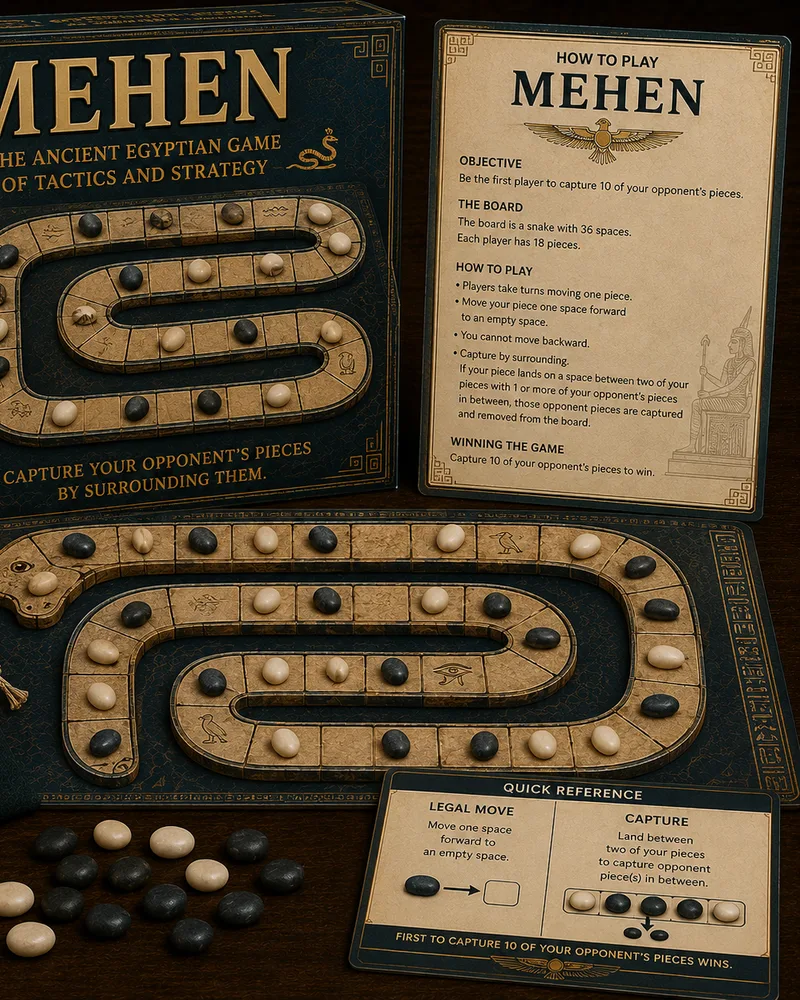 NEW
NEWMehen
Board56.0K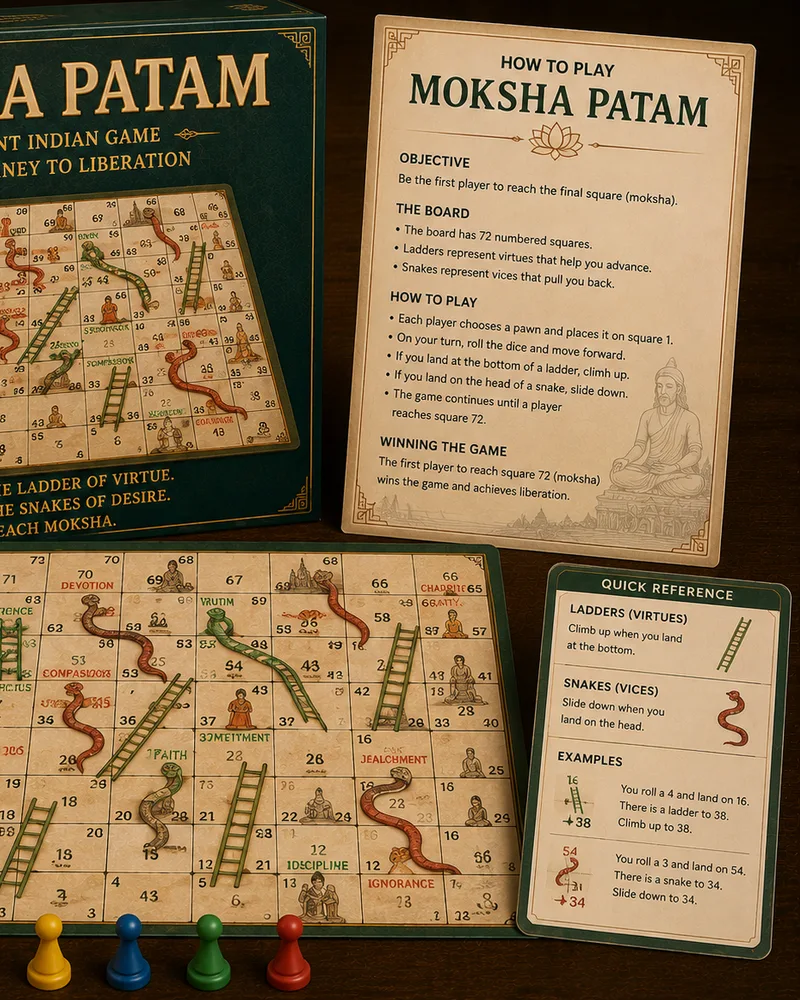 NEW
NEWMoksha Patam
Board110.0K NEW
NEWHnefatafl
Strategy96.0K NEW
NEWTablut
Strategy70.0K NEW
NEWBagh Chal
Strategy82.0K NEW
NEWFox & Geese
Strategy74.0K NEW
NEWNine Men's Morris
Strategy124.0K NEW
NEWTwelve Men's Morris
Strategy72.0K NEW
NEWAlquerque
Strategy76.0K NEW
NEWFanorona
Strategy68.0K NEW
NEWBackgammon
Board162.0K NEW
NEWBao
Board64.0K NEW
NEWCarrom
Arcade198.0K NEW
NEWXiangqi
Strategy210.0K NEW
NEWJanggi
Strategy118.0K NEW
NEWMakruk
Strategy92.0K NEW
NEWShogi
Strategy156.0K NEW
NEWGo
Strategy188.0K
Popular right now 🔥
All →
Klondike Solitaire
Sudoku

2048
Chess
Ludo
Snake

Block Puzzle
Minesweeper
Checkers
Spider Solitaire
Mahjong Solitaire
Snakes & Ladders

Word Search
Connect Four

Brick Breaker
Tic-Tac-Toe

Bubble Shooter