Moksha Patam
About Moksha Patam
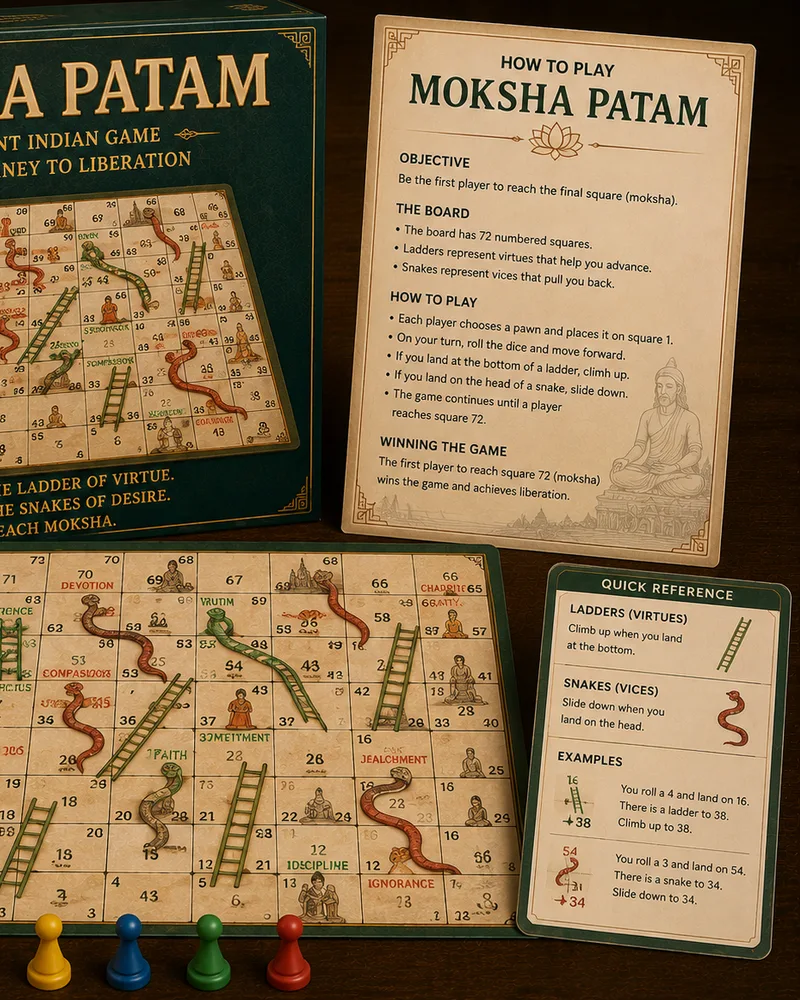
Moksha Patam is the original Indian version of Snakes and Ladders, and it was created as more than a game. It's a lesson in karma: the ladders represent virtues that lift you up, the snakes represent vices that drag you down, and reaching the final square, square 100, stands for moksha, or spiritual liberation.
The game is a pure race decided by the die, but that simple format carries a whole philosophy. When the Victorians copied it as Snakes and Ladders, they kept the fun and dropped the meaning. Here you get both: the same swings of luck, with the original idea that your rise and fall reflect good and bad deeds.
You can play Moksha Patam free in your browser against the computer or with friends on one screen, with no download. It couldn't be easier to learn, which makes it a game for all ages, and the constant reversals of the snakes and ladders keep every race lively right to the end.
Controls
You play by rolling the die. Tap to roll on your turn, and your piece automatically moves up the numbered board by the amount rolled.
Two features decide your fate, each carrying meaning:
- Ladders (virtues) carry you upward. Landing at the foot of a ladder sends you climbing to its top, and in the original game each ladder is marked with a virtue.
- Snakes (vices) drag you down. Landing on a snake's head slides you to its tail, and each snake represents a vice, undoing your progress as a lesson in consequence.
You need to reach the final square exactly to win, which represents attaining moksha. Overshooting bounces you back.
The difficulty rises across eight levels for a steadily quicker and closer race.
Tips
- Embrace the swings. The die decides everything, so the fun is in the ups and downs, and expecting the occasional snake makes the ladder climbs feel all the sweeter.
- Know the finish needs an exact roll. You have to land on the final square precisely to win, so near the end an overshoot bounces you back, which keeps the last few squares tense.
- Don't despair over a big snake. A long snake near the top is a heavy setback, but it hits everyone, and the race often turns around, so a slide down isn't the end.
- Enjoy the meaning behind it. The virtues and vices on the board are part of what makes Moksha Patam special, so noticing them adds a layer of interest the plain version lacks.
- Play it as a social race. Like all snakes-and-ladders games, it shines with others, where each snake and ladder draws groans and cheers, so it's best enjoyed lightly and together.
- Run several rounds. Since a single game is decided by luck, playing a few evens things out and gives everyone a fair chance at liberation.
Frequently asked questions
Is Moksha Patam free to play?
Yes. You can play as much as you want with no download and no account.
How do you play Moksha Patam?
You roll a die and move up a numbered board. Ladders, marked with virtues, carry you up, and snakes, marked with vices, drag you down. You win by reaching the final square exactly, which represents moksha, or liberation.
How is it different from Snakes and Ladders?
Moksha Patam is the original Indian game that Snakes and Ladders was copied from. It carries a moral meaning, with ladders as virtues and snakes as vices, that the Victorian version dropped while keeping the gameplay.
How do you win?
You win by being the first to reach the final square, and you must land on it exactly. Ladders speed you up and snakes set you back on the way there.
Is there any skill involved?
No. Like Snakes and Ladders, the die decides every move, so it's a game of pure chance. That makes it fair for any age and unpredictable every time.
Can I play Moksha Patam on my phone?
Yes. It runs in any modern mobile browser with a simple tap to roll, so it works well on phones and tablets.
More like this
 HOT
HOTChess
Board1.2M NEW
NEWLudo
Board1.1M
Checkers
Board720.0K
Snakes & Ladders
Board612.0K
Tic-Tac-Toe
Board430.0K
Reversi
Board295.0K
Connect Four
Board510.0K
Dots & Boxes
Board180.0K NEW
NEWGomoku
Strategy156.0K NEW
NEWMancala
Board175.0K NEW
NEWKalah
Board88.0K NEW
NEWOware
Board96.0K NEW
NEWCongkak
Board70.0K NEW
NEWRenju
Strategy92.0K NEW
NEWDominoes
Board168.0K NEW
NEWBattleship Style
Strategy184.0K NEW
NEWPachisi
Board142.0K NEW
NEWParcheesi Style
Board116.0K NEW
NEWAggravation Style
Board84.0K NEW
NEWSorry Style
Board98.0K NEW
NEWChaupar
Board62.0K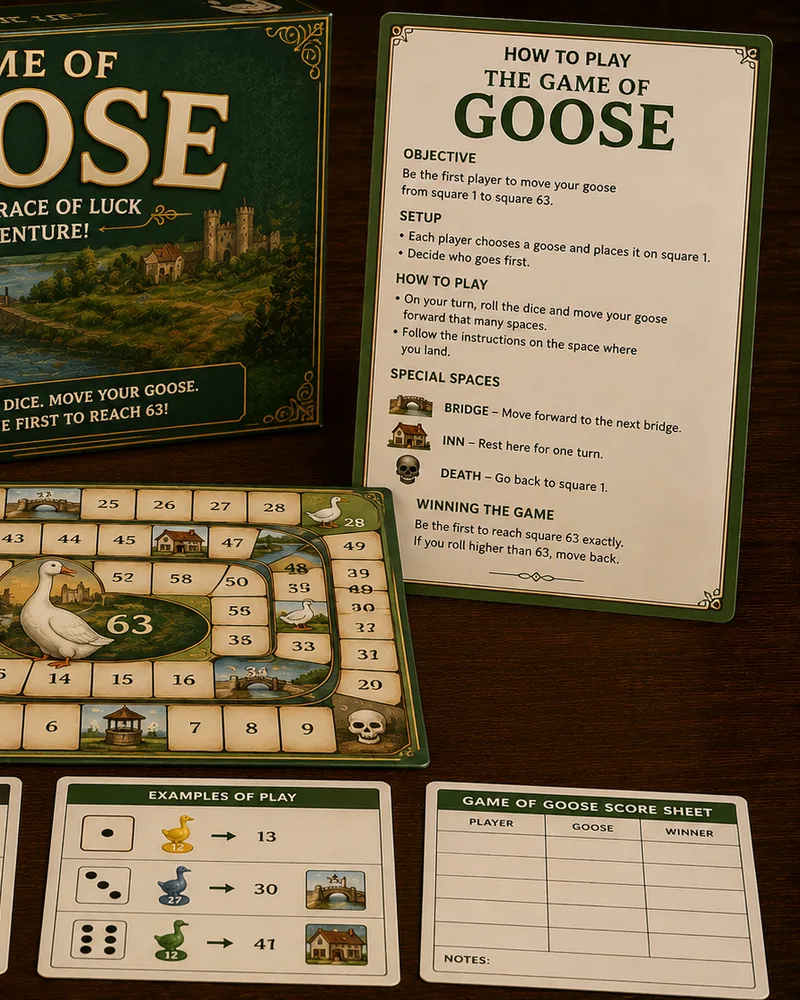 NEW
NEWGame of Goose
Board78.0K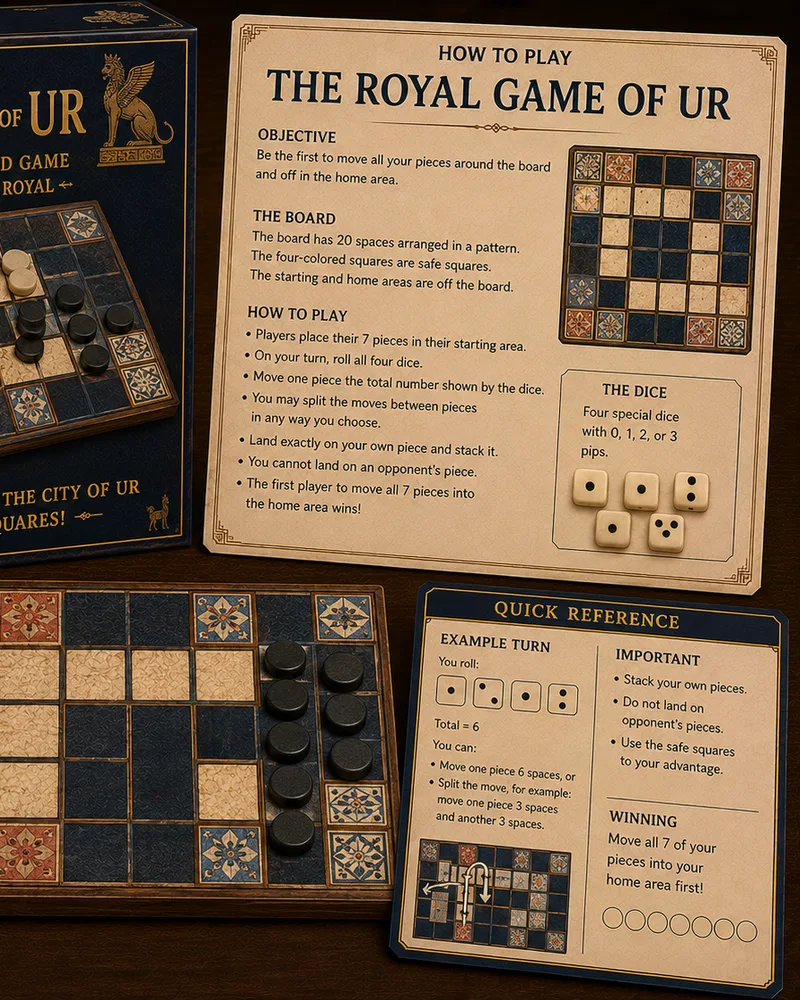 NEW
NEWRoyal Game of Ur
Board104.0K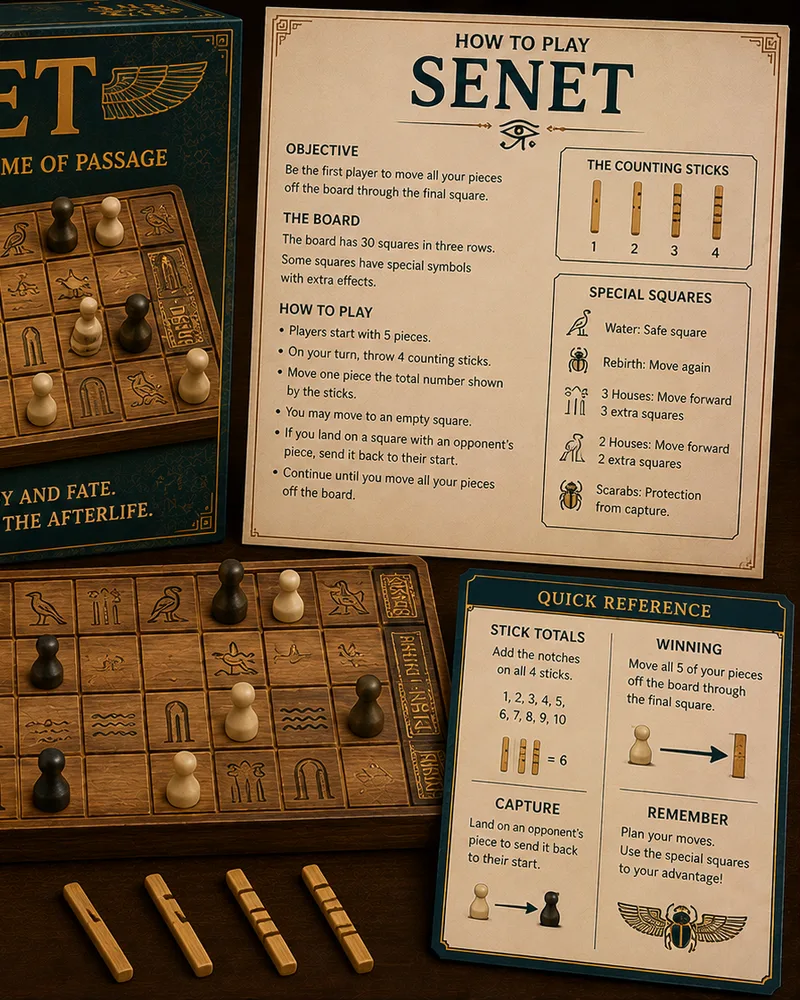 NEW
NEWSenet
Board88.0K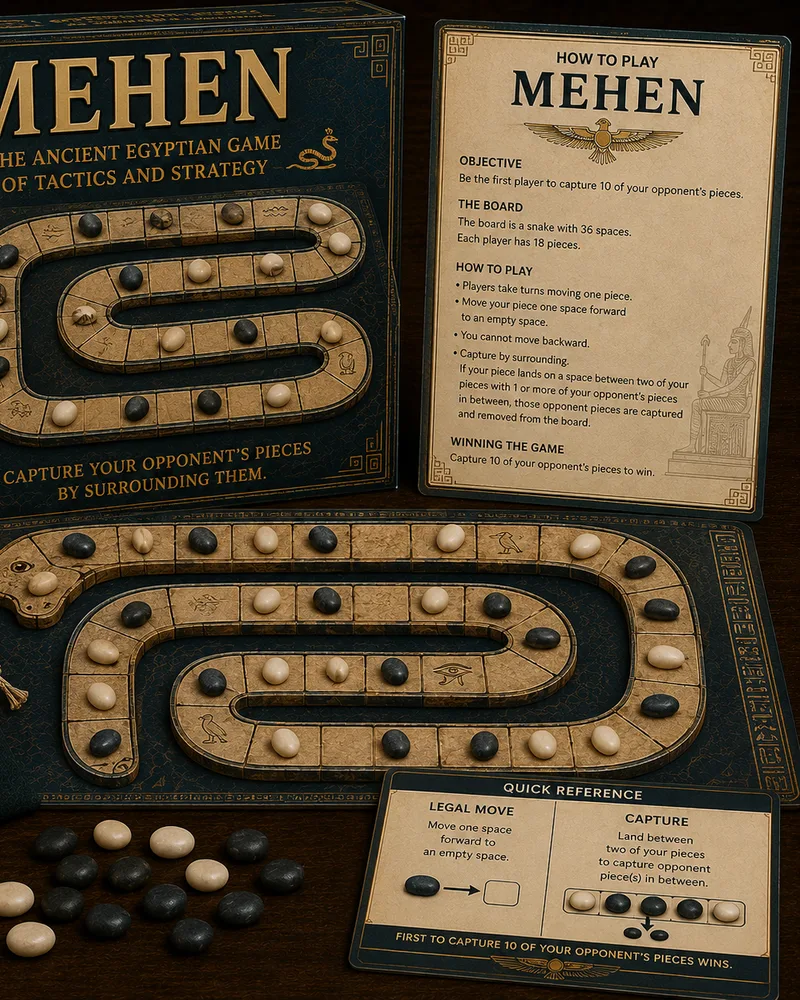 NEW
NEWMehen
Board56.0K NEW
NEWHnefatafl
Strategy96.0K NEW
NEWTablut
Strategy70.0K NEW
NEWBagh Chal
Strategy82.0K NEW
NEWFox & Geese
Strategy74.0K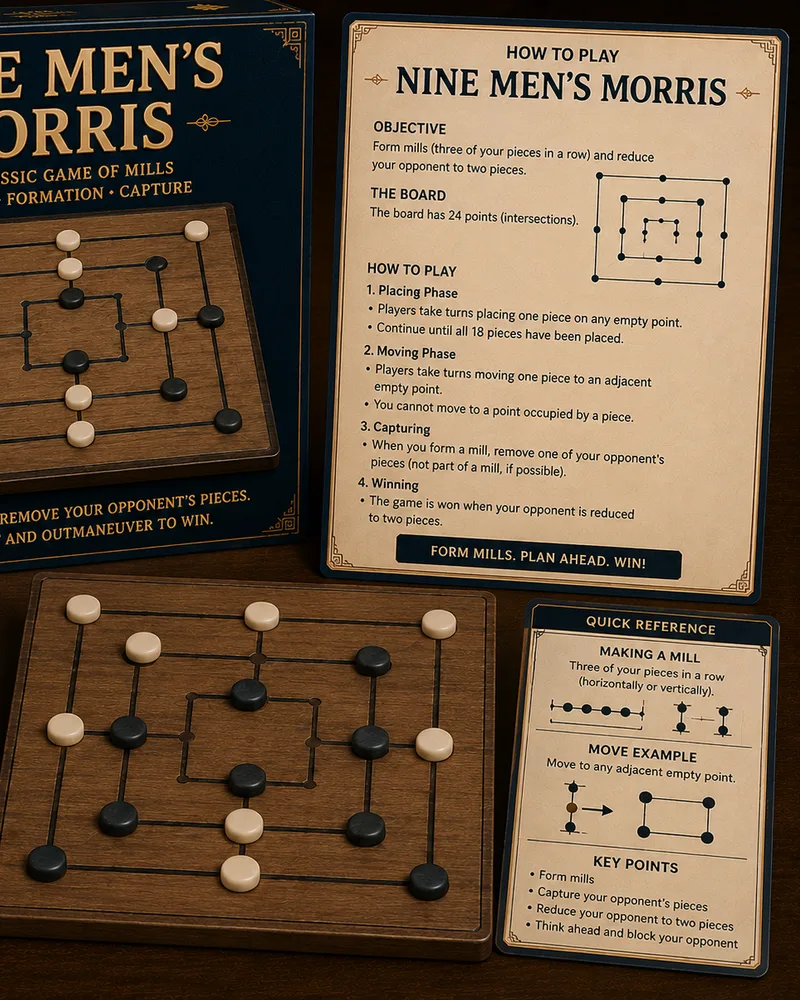 NEW
NEWNine Men's Morris
Strategy124.0K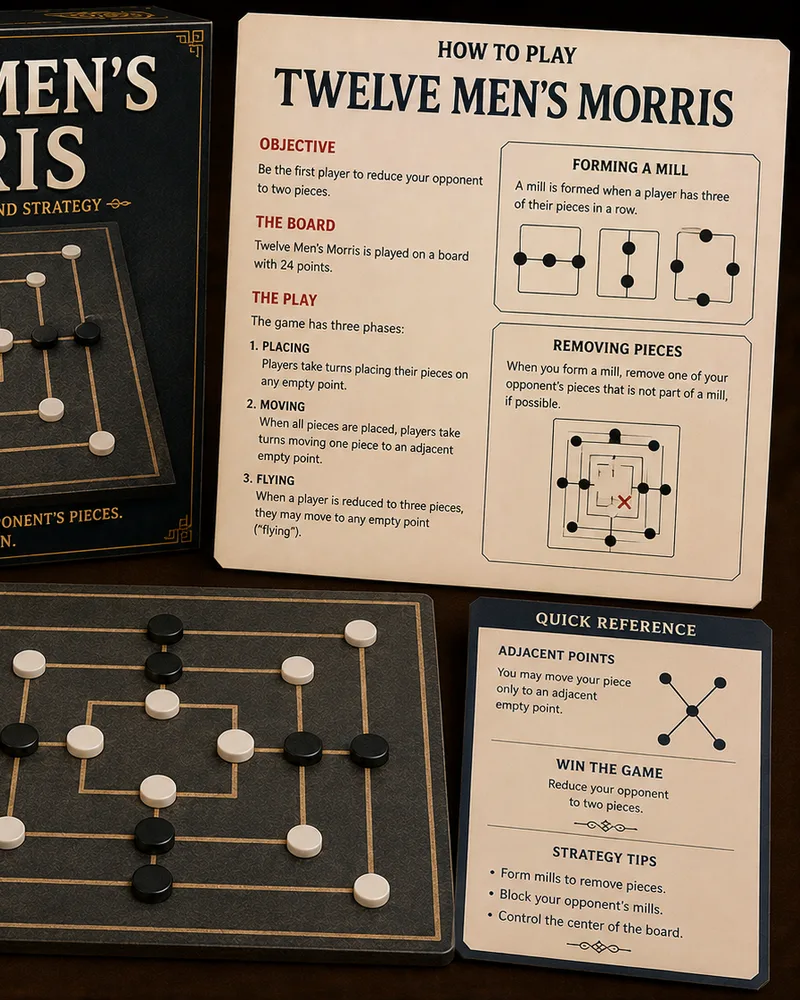 NEW
NEWTwelve Men's Morris
Strategy72.0K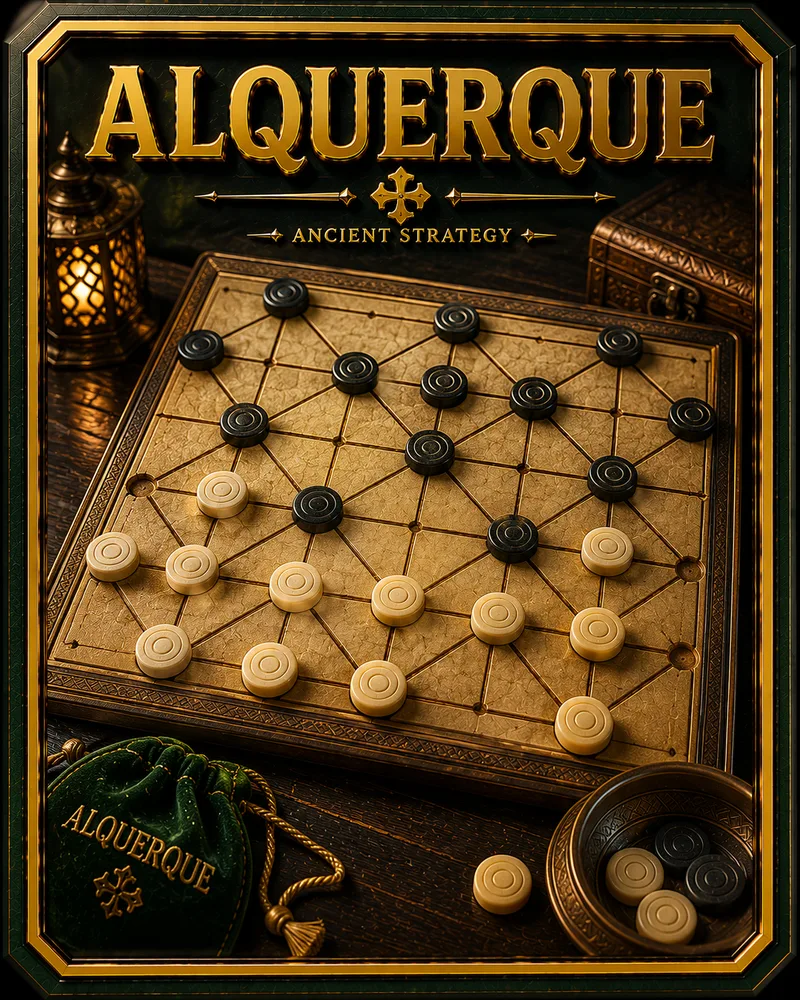 NEW
NEWAlquerque
Strategy76.0K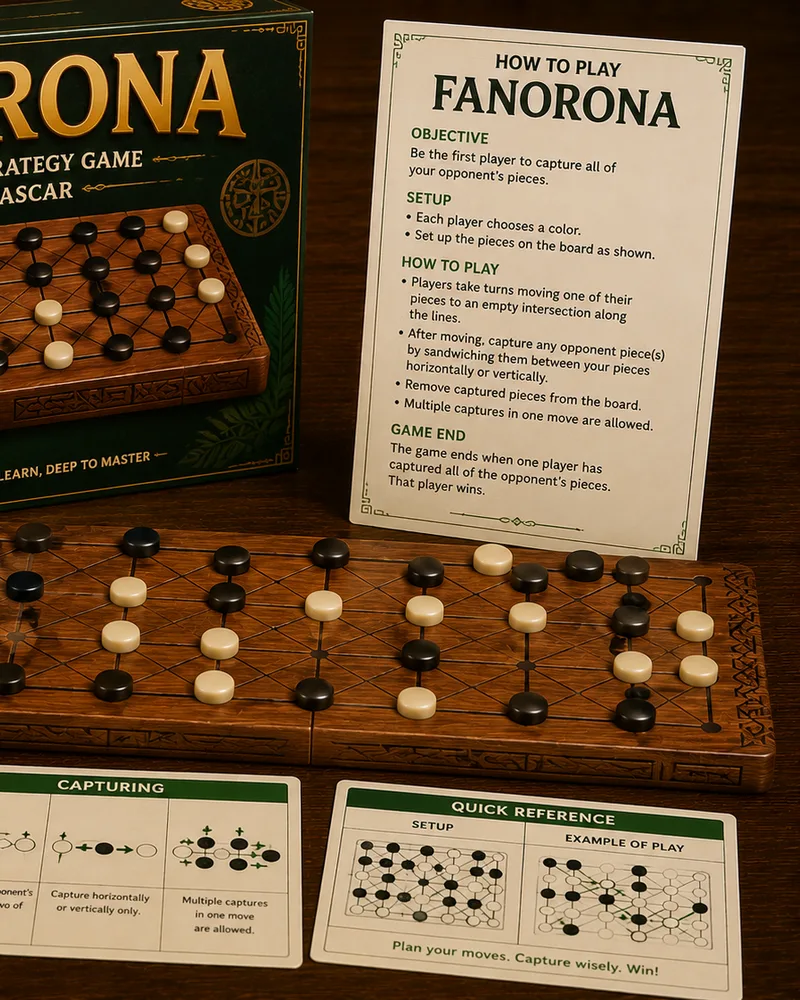 NEW
NEWFanorona
Strategy68.0K NEW
NEWBackgammon
Board162.0K NEW
NEWBao
Board64.0K NEW
NEWCarrom
Arcade198.0K NEW
NEWXiangqi
Strategy210.0K NEW
NEWJanggi
Strategy118.0K NEW
NEWMakruk
Strategy92.0K NEW
NEWShogi
Strategy156.0K NEW
NEWGo
Strategy188.0K
Popular right now 🔥
All →
Klondike Solitaire
Sudoku
2048
Chess
Ludo
Snake
Block Puzzle
Minesweeper
Checkers
Spider Solitaire
Mahjong Solitaire
Snakes & Ladders
Word Search
Connect Four

Brick Breaker
Tic-Tac-Toe
Bubble Shooter