Nonogram
About Nonogram
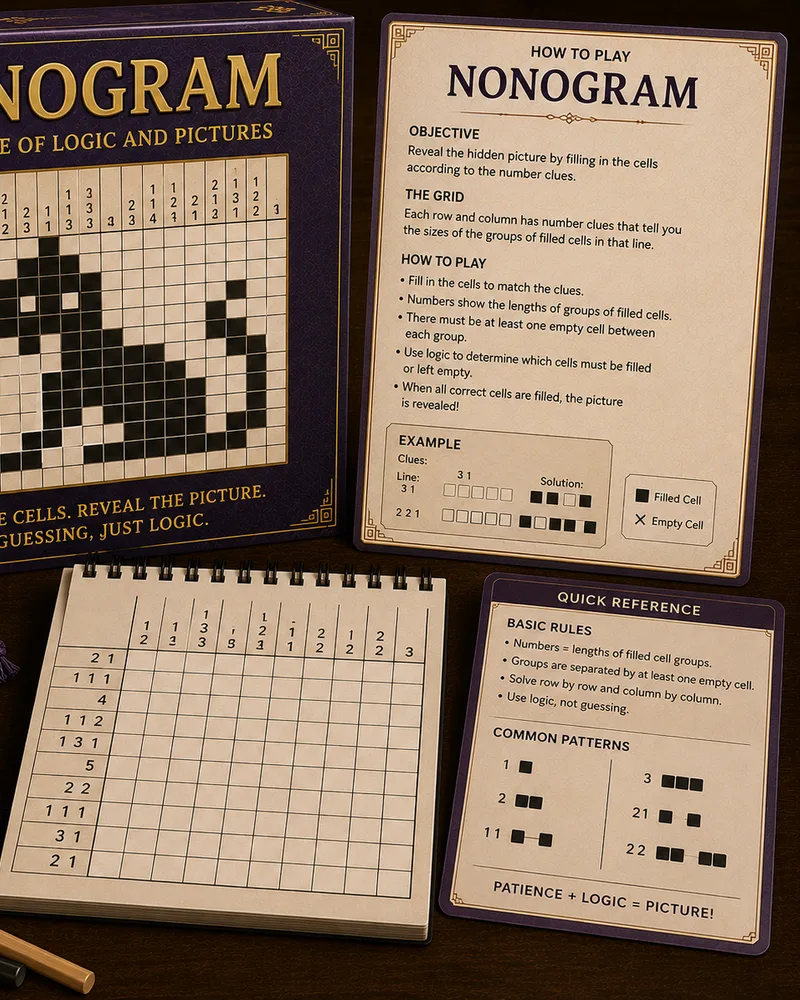
A Nonogram is a picture logic puzzle played on a grid. Numbers along each row and column tell you the lengths of the filled blocks in that line, and by working out which cells must be filled and which must be empty, you slowly reveal a hidden pixel picture.
They come from Japan, published since 1988 under names like Picross and Griddlers, and they sit somewhere between Sudoku and a coloring book. The appeal is that they are pure deduction. You never guess. Every cell can be reasoned out from the clues, and the reward for finishing is a small image quietly appearing out of the logic.
You can play Nonograms free in your browser with no download. The small grids are a gentle introduction, and the technique carries all the way up to the larger boards as your level rises. It takes a puzzle or two to learn how to read the clues, but once it clicks, it becomes a calm, absorbing habit.
Controls
You play in two modes, switched with the Fill/Mark button above the board. Filling a cell and marking it as empty are two separate actions, not two taps on the same cell.
The numbers before each row and column list the lengths of the filled blocks in order, with at least one empty cell between each block. A clue of '3 1' means a run of three, a gap, then a single filled cell.
- Fill mode is the default. Click or tap a cell to color it in as part of the picture; click or tap a filled cell again to clear it back to blank.
- Mark mode is for cells you've worked out must stay empty. Click or tap the Fill/Mark button to switch into it, then click or tap a cell to place or remove an X. Marks are a memory aid only; finishing the puzzle only checks the filled cells.
- Cross-referencing is the core skill. What you deduce in a row narrows the possibilities in the columns it crosses, and back again, until the whole grid resolves.
The puzzle is complete when every cell matches its clues, revealing the hidden picture.
The grids grow larger across eight levels, so the deductions get longer while the method stays exactly the same.
Tips
- Start with the biggest clues. A long run in a line has few places it can fit, so it forces some cells to be filled no matter what. Those guaranteed cells give you a foothold to build from.
- Look for lines that are completely full. If a row's clues plus the required gaps add up to the whole width, the entire line is determined at once, which is the fastest kind of progress.
- Mark empty cells, not just filled ones. Knowing a cell must be blank is as useful as knowing it is filled, since it splits a line into sections and rules out where blocks can go.
- Overlap long runs to find sure cells. Slide a long block to its leftmost and rightmost positions in a line. Any cells covered in both cases must be filled, even before you know exactly where the block sits.
- Switch between rows and columns often. Progress in one direction unlocks the other, so whenever a row stalls, look at the columns it feeds into, and keep bouncing back and forth.
- Never guess. Every cell can be deduced from the clues, so if you are tempted to guess, there is a logical step waiting to be found. Guessing usually leads to a contradiction later.
Frequently asked questions
Are Nonograms free to play?
Yes. You can play as many puzzles as you want with no download and no account.
How do you play a Nonogram?
You fill cells on a grid based on the number clues beside each row and column. The clues give the lengths of the filled blocks in order, and by reasoning out which cells must be filled or empty, you reveal a hidden picture.
What do the numbers mean?
Each number is the length of a run of filled cells in that row or column, listed in order, with at least one empty cell between runs. A clue of '4 2' means four filled cells, a gap, then two filled cells.
Do I ever have to guess?
No. Every Nonogram here can be solved entirely by logic. If you feel stuck, there is always a deduction available, often by comparing a row against the columns it crosses.
Can I play Nonograms on my phone?
Yes. They run in any modern mobile browser, and you mark cells by tapping, so they work well on phones and tablets.
How do I get better at Nonograms?
Start from the longest clues, mark empty cells as carefully as filled ones, and use the overlap trick to find guaranteed cells. Switching between rows and columns as you go is what carries you to the finish.
More like this
Sudoku
Puzzle1.7M NEW
NEW2048
Puzzle1.5M
Minesweeper
Puzzle845.0K
Mahjong Solitaire
Puzzle660.0K NEW
NEWBlock Puzzle
Puzzle890.0K NEW
NEWTower of Hanoi
Puzzle96.0K NEW
NEWLights Out
Puzzle88.0K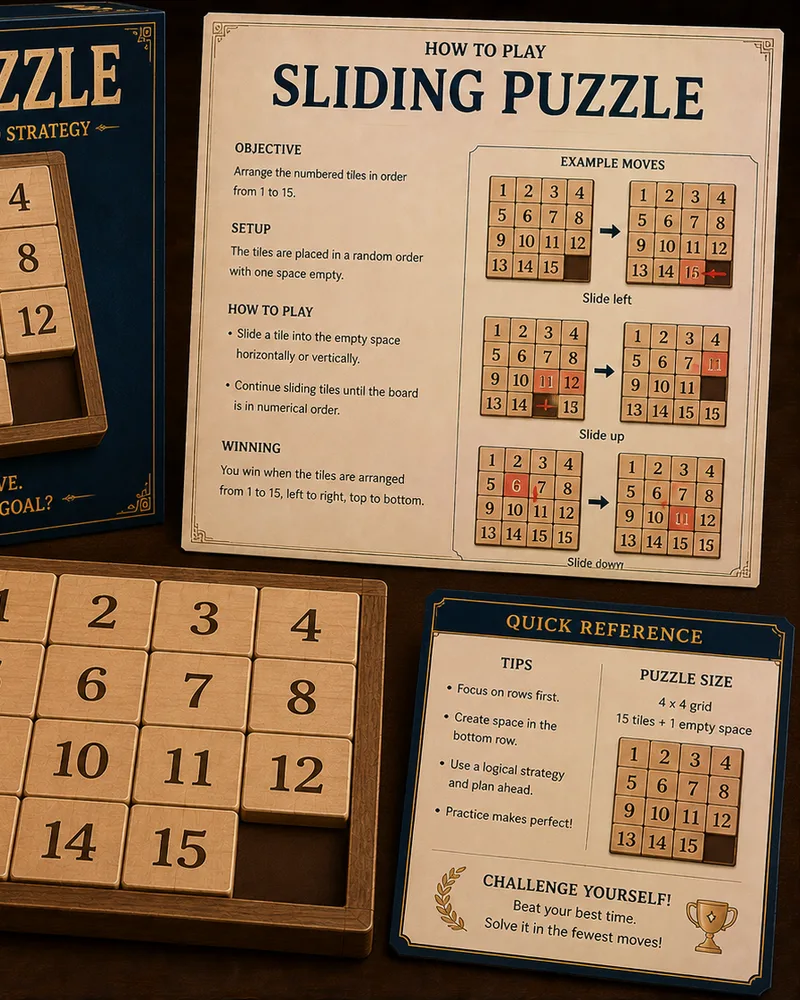 NEW
NEWSliding Puzzle
Puzzle142.0K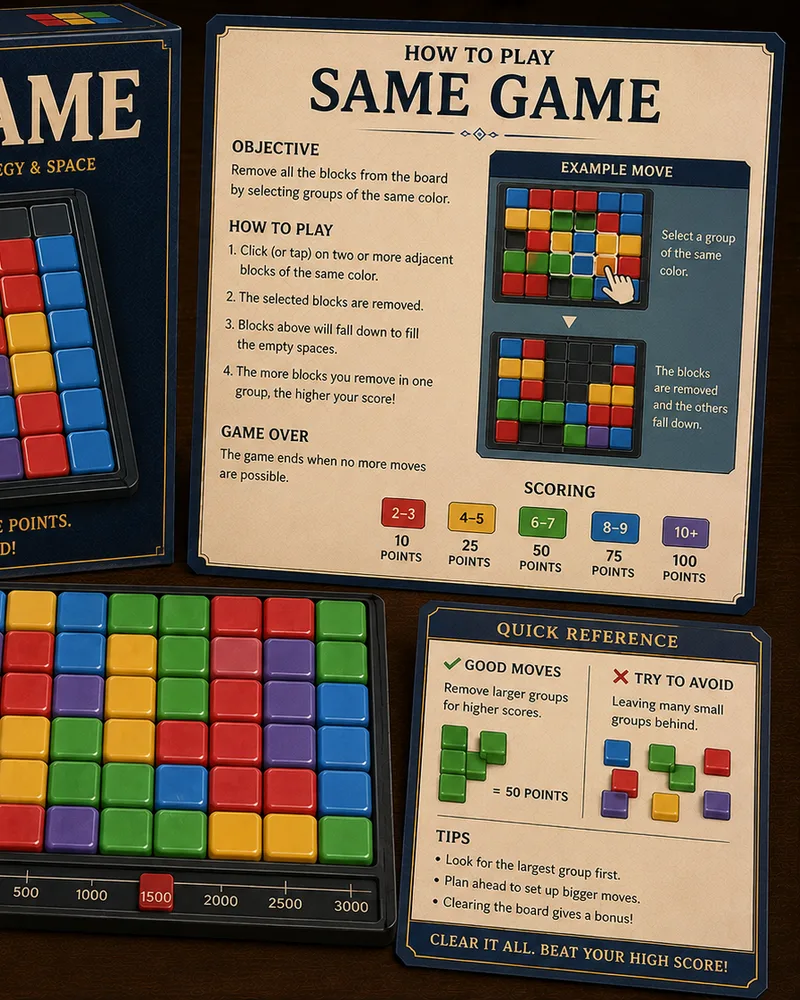 NEW
NEWSame Game
Puzzle118.0K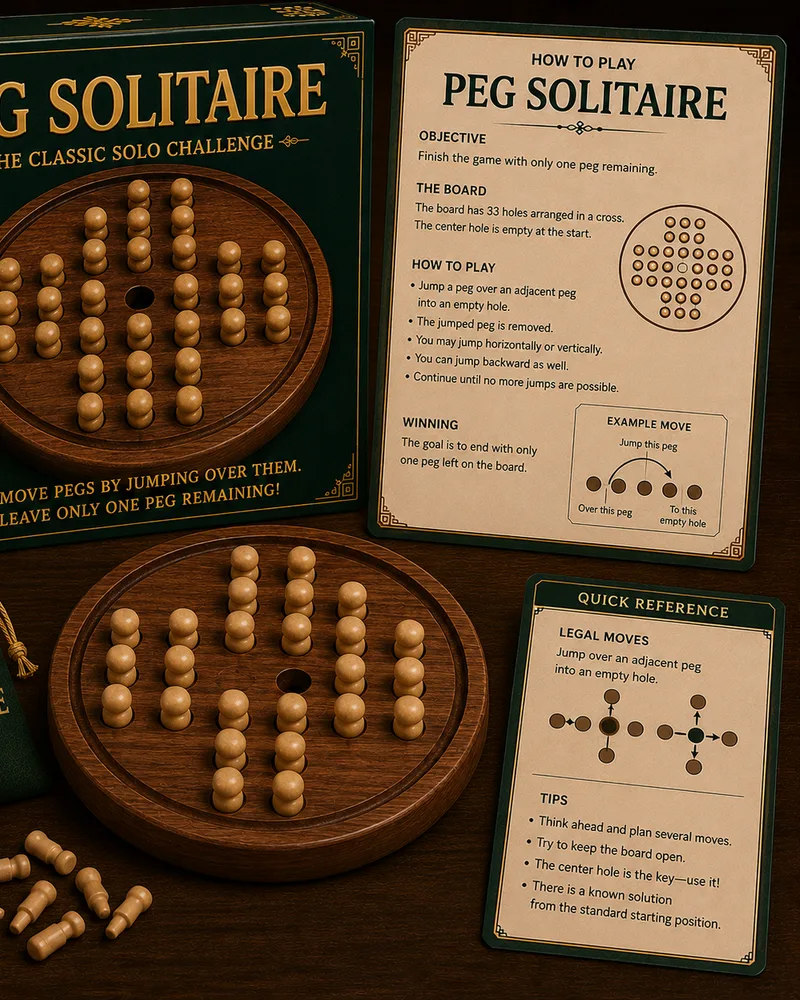 NEW
NEWPeg Solitaire
Puzzle102.0K HOT
HOTWater Sort
Puzzle240.0K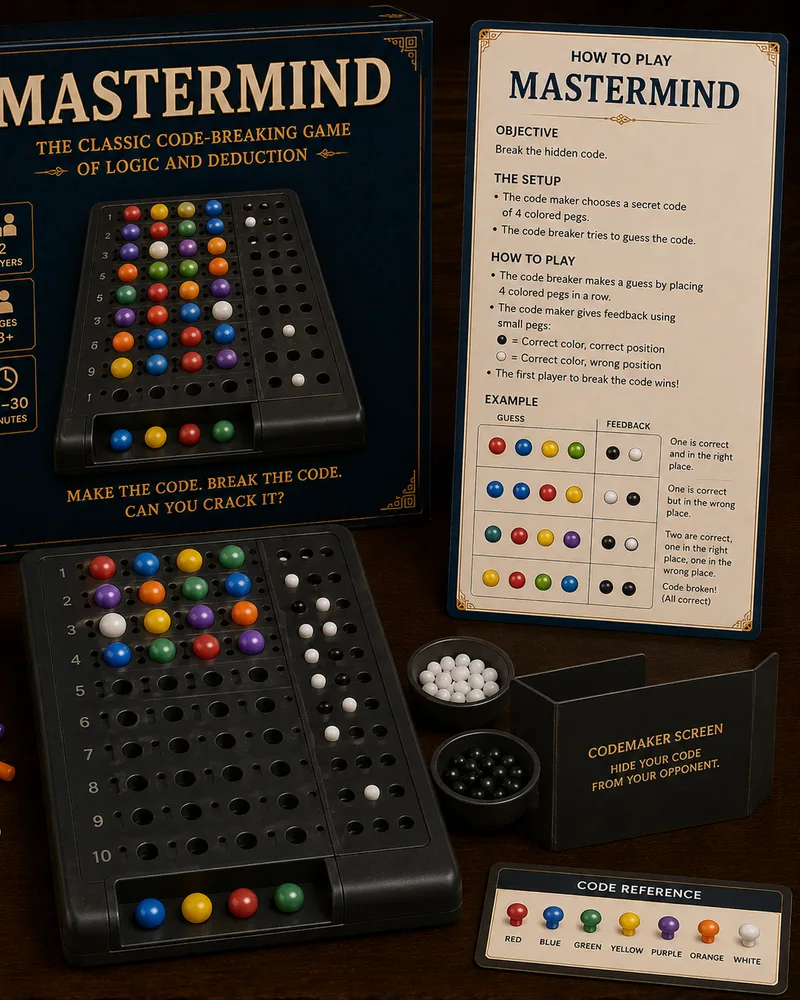 NEW
NEWMastermind Style
Puzzle110.0K NEW
NEWBall Sort
Puzzle205.0K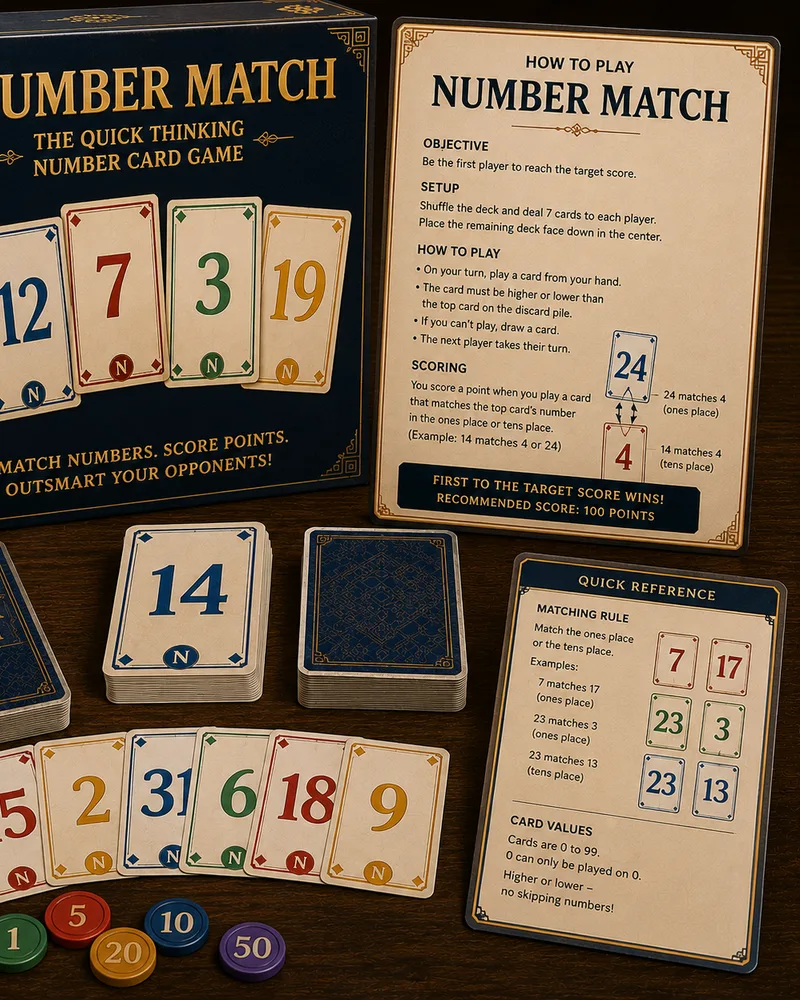 NEW
NEWNumber Match
Puzzle158.0K HOT
HOTMatch 3
Puzzle410.0K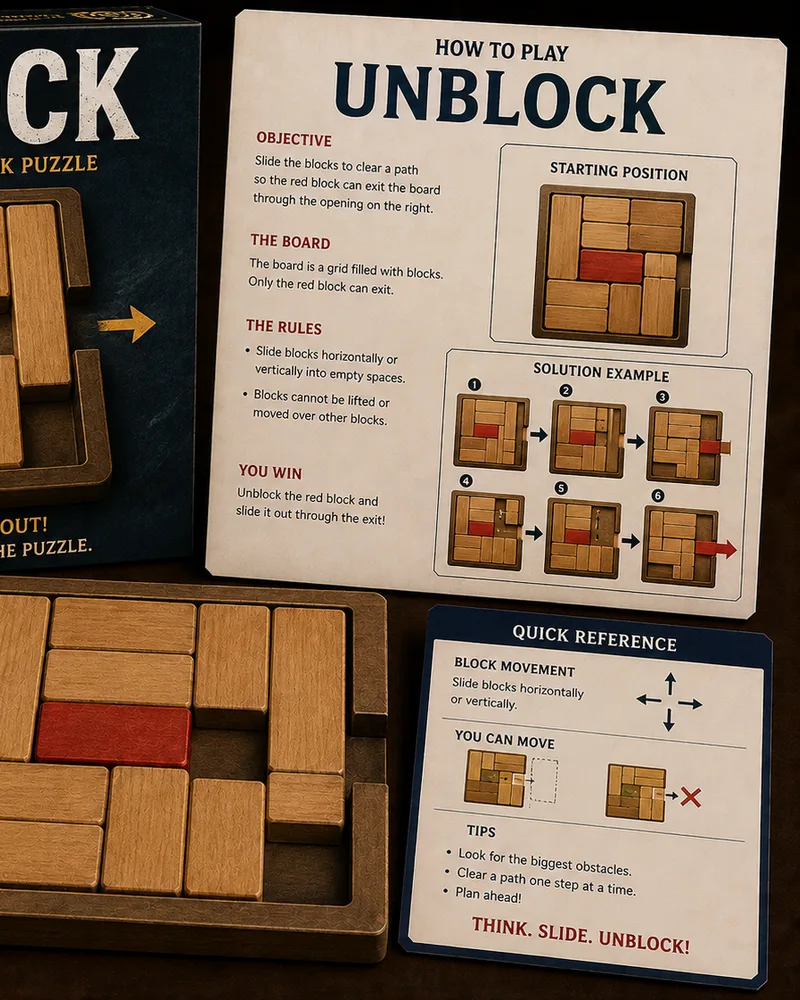 NEW
NEWUnblock
Puzzle188.0K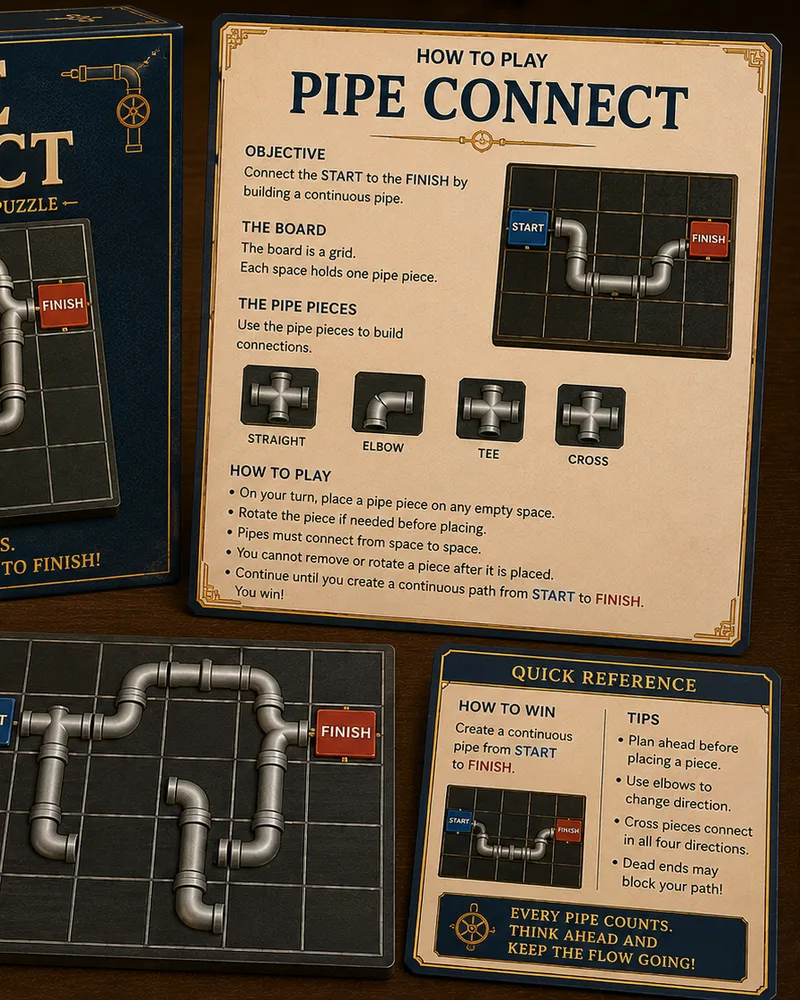 NEW
NEWPipe Connect
Puzzle138.0K NEW
NEWColor Connect
Puzzle142.0K NEW
NEWArrow Connect
Puzzle129.0K NEW
NEWUntangle
Puzzle134.0K NEW
NEWJigsaw Puzzle
Puzzle150.0K HOT
HOTBubble Shooter
Arcade420.0K NEW
NEWKakuro
Puzzle118.0K
Popular right now 🔥
All →
Klondike Solitaire
Sudoku
2048

Chess

Ludo

Snake
Block Puzzle
Minesweeper
Checkers
Spider Solitaire
Mahjong Solitaire
Snakes & Ladders
Word Search
Connect Four
Brick Breaker
Tic-Tac-Toe
Bubble Shooter