Mastermind Style
About Mastermind Style
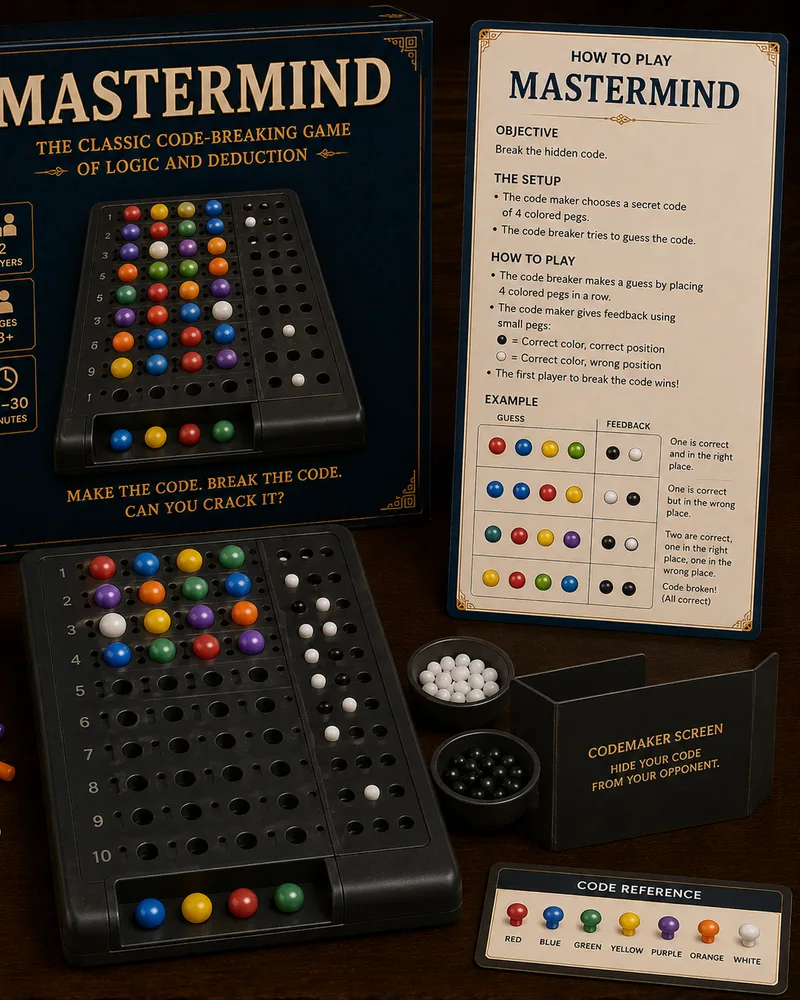
This is a code-breaking game where the computer hides a secret pattern of colors and you try to work it out. Each turn you make a guess, and the game gives you feedback on how close you were. By reading that feedback carefully across several guesses, you deduce the exact code.
It is modeled on the pegboard classic from 1970, and its appeal is that it turns you into a detective. You are not guessing blindly; every answer rules out possibilities and points toward the truth. The satisfaction comes from that moment when the clues suddenly converge and the whole code falls into place.
You can play free in your browser with no download. The rules take a guess or two to sink in, but once you understand the feedback, it becomes a pure logic puzzle. The code always holds four pegs, but more colors join the palette as your level rises, so there is always a tougher case to crack.
Controls
You play by building and submitting guesses. Tap a color, or click it with a mouse on a laptop, to fill the next slot of your guess, then tap or click Submit once all four are filled. The game responds with feedback pins that you read to plan your next attempt.
A couple of controls help you fix mistakes before you submit:
- Removing a peg is as simple as tapping or clicking one you've already placed in your guess row, which takes it back out so you can pick a different color.
- The Clear button wipes your whole current guess at once, which is faster than removing pegs one at a time if you want to start the row over.
Submit stays disabled until all four slots are filled, and the pins do not tell you which specific pegs they refer to, so matching clues to positions is the deductive challenge.
You must crack the code within a limited number of guesses. The code always holds four pegs; only the number of available colors grows across eight levels.
Tips
- Start with a varied first guess. Opening with several different colors quickly reveals which ones are in the code at all, giving you more information than repeating one color across every slot.
- Change one thing at a time when testing. Once you have a promising guess, adjusting a single peg between attempts makes it clear exactly what that change did to the feedback.
- Track colors you have ruled out. A guess that returns no pins tells you those colors are absent entirely, so noting them keeps you from wasting future guesses on dead ends.
- Use wrong-place clues to relocate colors. A wrong-place pin confirms a color belongs in the code, so your next job is to try it in a different slot until it turns into a right-place pin.
- Deduce, don't gamble. Each piece of feedback narrows the possibilities, so with careful reasoning you can usually corner the code well within your guesses instead of taking wild shots.
- Reread all previous feedback before guessing. The answer is hidden in the combination of every clue so far, not just the last one, so a quick review often reveals a deduction you missed.
Frequently asked questions
Is the game free to play?
Yes. You can play as many rounds as you want with no download and no account.
How do you play?
The computer hides a secret code made of colors. You make guesses, and after each one the game tells you how many pegs are the right color in the right place, and how many are the right color in the wrong place. You use those clues to work out the code.
What do the feedback pins mean?
One kind of pin means a peg is the correct color in the correct spot, and another means a peg is a correct color but in the wrong spot. The pins do not say which pegs they refer to, which is what makes the deduction interesting.
How do you win?
You win by guessing the exact secret code within the allowed number of tries. Reading the feedback carefully and reasoning from it, rather than guessing randomly, is how you crack it in time.
Can I play on my phone?
Yes. It runs in any modern mobile browser with tap controls, so it works well on phones and tablets.
How do I get better?
Open with a mix of colors to learn what is in the code, change one peg at a time to test ideas, and combine every clue you have rather than reacting to the last one. It is a logic puzzle, so deduction beats guessing.
More like this
Sudoku
Puzzle1.7M NEW
NEW2048
Puzzle1.5M
Minesweeper
Puzzle845.0K
Mahjong Solitaire
Puzzle660.0K NEW
NEWBlock Puzzle
Puzzle890.0K NEW
NEWTower of Hanoi
Puzzle96.0K NEW
NEWLights Out
Puzzle88.0K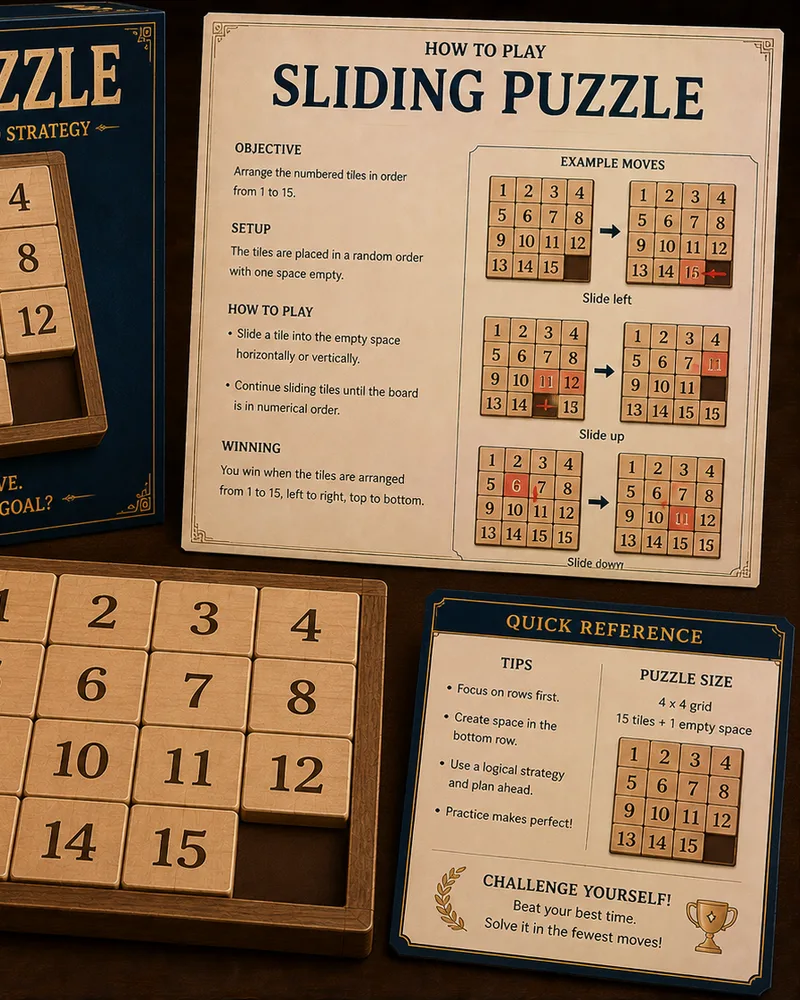 NEW
NEWSliding Puzzle
Puzzle142.0K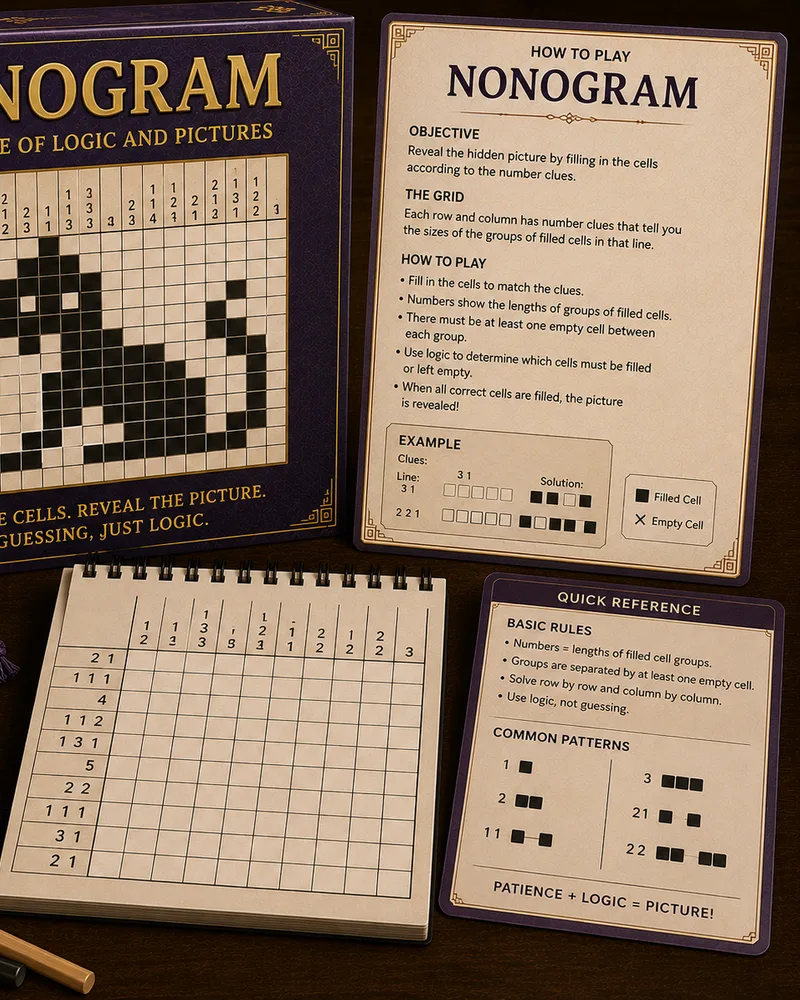 NEW
NEWNonogram
Puzzle134.0K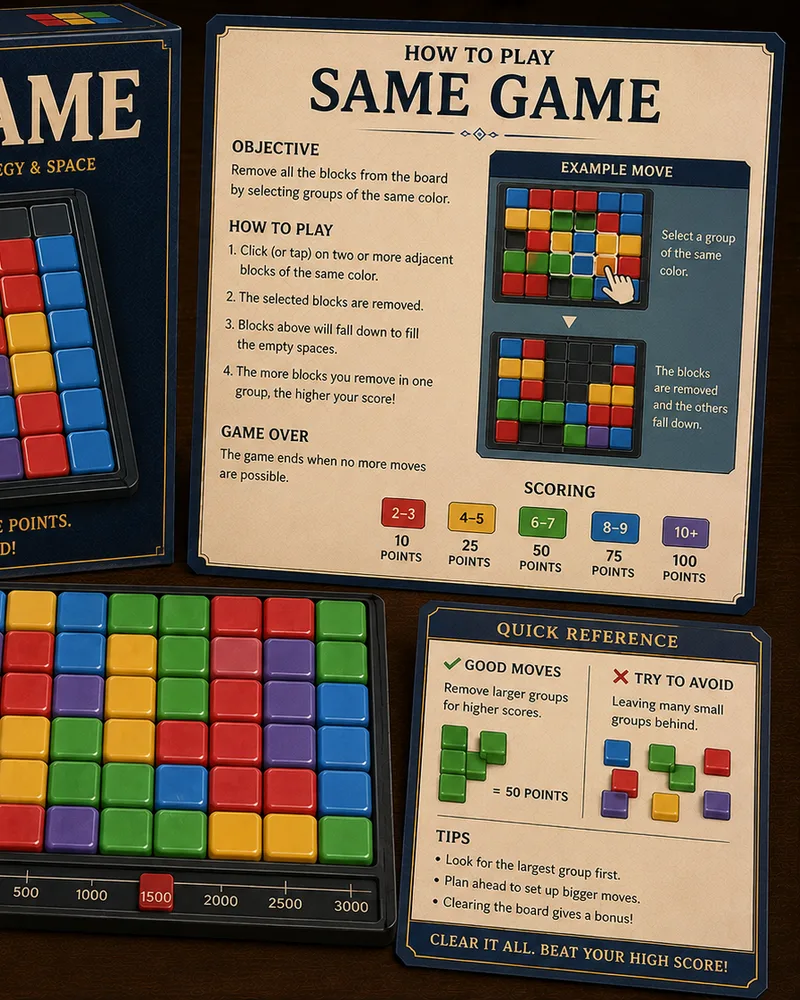 NEW
NEWSame Game
Puzzle118.0K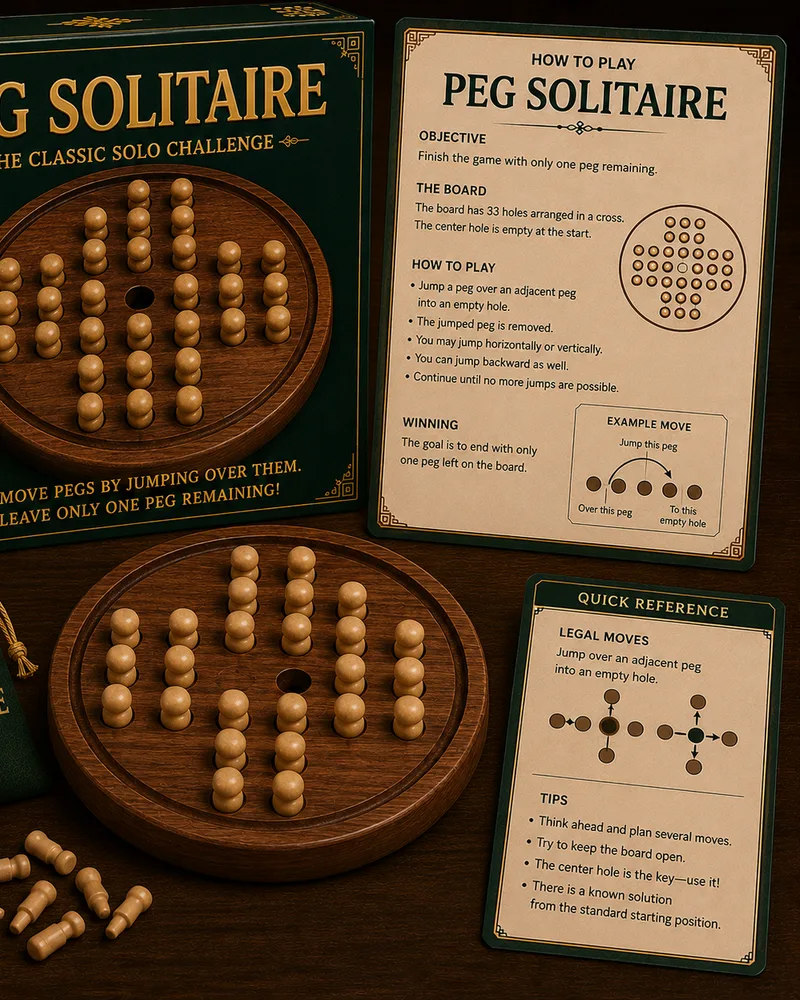 NEW
NEWPeg Solitaire
Puzzle102.0K HOT
HOTWater Sort
Puzzle240.0K NEW
NEWBall Sort
Puzzle205.0K NEW
NEWNumber Match
Puzzle158.0K HOT
HOTMatch 3
Puzzle410.0K NEW
NEWUnblock
Puzzle188.0K NEW
NEWPipe Connect
Puzzle138.0K NEW
NEWColor Connect
Puzzle142.0K NEW
NEWArrow Connect
Puzzle129.0K NEW
NEWUntangle
Puzzle134.0K NEW
NEWJigsaw Puzzle
Puzzle150.0K HOT
HOTBubble Shooter
Arcade420.0K NEW
NEWKakuro
Puzzle118.0K
Popular right now 🔥
All →
Klondike Solitaire
Sudoku
2048

Chess
Ludo
Snake
Block Puzzle
Minesweeper
Checkers
Spider Solitaire
Mahjong Solitaire
Snakes & Ladders
Word Search
Connect Four
Brick Breaker
Tic-Tac-Toe
Bubble Shooter